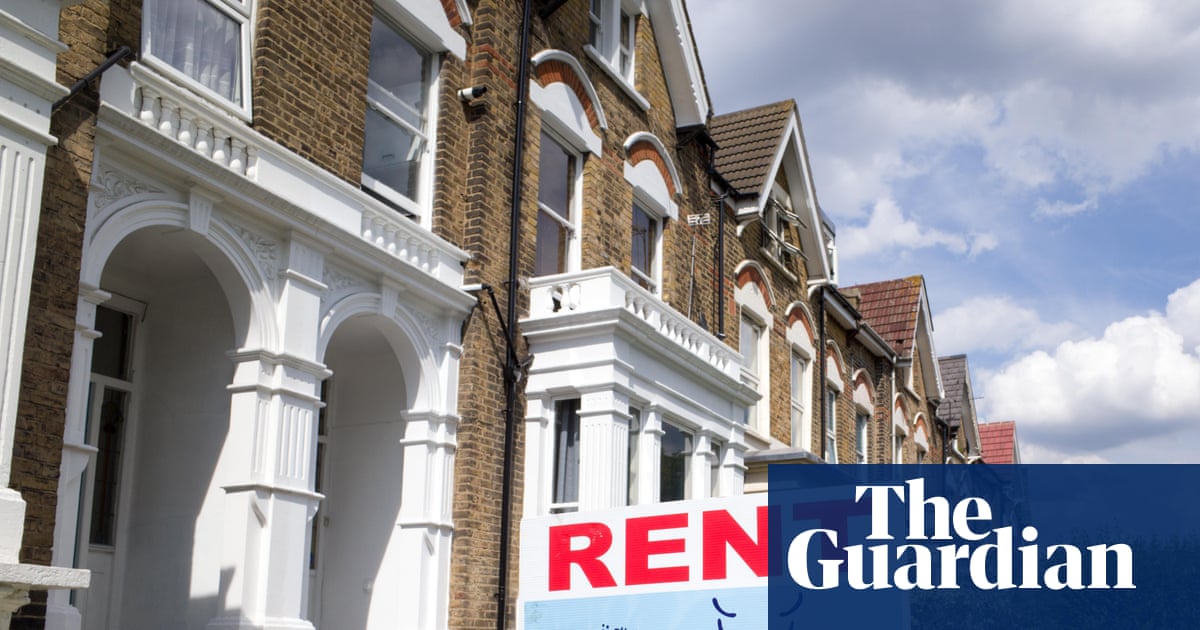
The UK rental market remains on an upward trajectory, with rents continuing to climb even as the letting agent sector that services landlords and tenants shows unmistakable signs of strain, according to Property Industry Eye. This dual narrative, rising rents paired with warning signs for the agencies that administer tenancies, deserves close attention from anyone with capital exposed to the private rented sector, from individual buy-to-let landlords in Manchester and Leeds to institutional investors building build-to-rent portfolios in London and Birmingham.
The persistence of rental growth matters enormously for UK property investors because it speaks directly to the income side of the investment equation. For landlords who have endured years of tightening regulation, higher mortgage costs and the looming prospect of further reform, continued rent rises offer some reassurance that rental yields can still be defended even as capital values in many regional markets remain subdued. Yet the simultaneous emergence of difficulties within the letting agency sector is a reminder that a healthy rental market depends on more than just upward price momentum. Agents are the operational backbone of the private rented sector, handling compliance, tenant vetting, arrears management and the day-to-day friction of landlord-tenant relationships. If that infrastructure weakens, the consequences ripple outward to landlords and tenants alike, regardless of where headline rents are heading.
For buy-to-let landlords, the picture is genuinely two-sided. Rising rents in cities such as Newcastle, Liverpool and Surrey's commuter belt will be welcomed by those seeking to offset higher borrowing costs and the tax changes that have eroded net returns over the past decade. But landlords relying on third-party agents to manage portfolios should take the warning signs seriously. A weakened agency sector can mean longer void periods, slower tenant placement, and reduced quality of service at precisely the moment when regulatory compliance, from deposit protection to the incoming Renters' Rights reforms, demands more professional diligence, not less. Investors who have treated letting agents as a low-cost administrative convenience may need to reassess whether their current provider has the resilience to navigate a tougher trading environment.
First-time buyers and renters caught in the middle face an uncomfortable reality. Continued rent increases erode the capacity of tenants to save for a deposit, reinforcing the very affordability trap that keeps many locked out of homeownership and dependent on a rental market that is itself becoming costlier. This is not a new phenomenon, but the fact that rental inflation shows no sign of abating, even as agents report difficulties, suggests the supply-demand imbalance in the private rented sector remains the dominant force in pricing, outweighing any softening in the professional infrastructure that supports it. London remains the most acute example, but the pressure is increasingly visible in regional cities where demand for rental stock has outstripped the pace of new supply.
Commercial investors and developers should read the warning signs for letting agents as a signal about sector consolidation. Smaller, independent agencies are typically the first to feel the squeeze when trading conditions tighten, whether through rising compliance costs, margin pressure or reduced transaction volumes. PropertyNews analysis suggests this dynamic is likely to accelerate consolidation among letting agency brands over the coming year, with larger national chains and franchise groups better placed to absorb regulatory overheads and invest in technology. For developers building build-to-rent schemes, this reinforces the appeal of in-house management platforms that bypass the traditional agency model altogether, offering greater control over service quality and tenant experience at scale.
Looking ahead to the next six to twelve months, the most likely scenario is a continuation of this split trajectory: rents grinding higher in most UK regions while the agency sector undergoes a period of restructuring. Landlords should use this window to scrutinise the agents managing their properties, asking hard questions about financial stability and service standards rather than assuming continuity. Investors eyeing the private rented sector should view rental growth as a structural feature of a supply-constrained market rather than a temporary spike, which strengthens the long-term investment case for well-located rental assets in cities including Manchester, Birmingham and Leeds. The letting agent sector's troubles are a reminder that market intermediaries can falter even when the underlying asset class is performing strongly, a distinction that disciplined investors would do well to keep in sharp focus.
Key Takeaways
- Rents are continuing to rise across the UK even as letting agents report emerging difficulties, creating a split market dynamic investors must monitor closely.
- Buy-to-let landlords should reassess the financial stability and service quality of their letting agents rather than assuming continuity of support.
- First-time buyers and renters face compounding affordability pressure as rent rises reduce their capacity to save for a deposit.
- Expect consolidation among letting agency brands over the next 6-12 months, with larger chains and in-house build-to-rent platforms gaining ground over smaller independents.