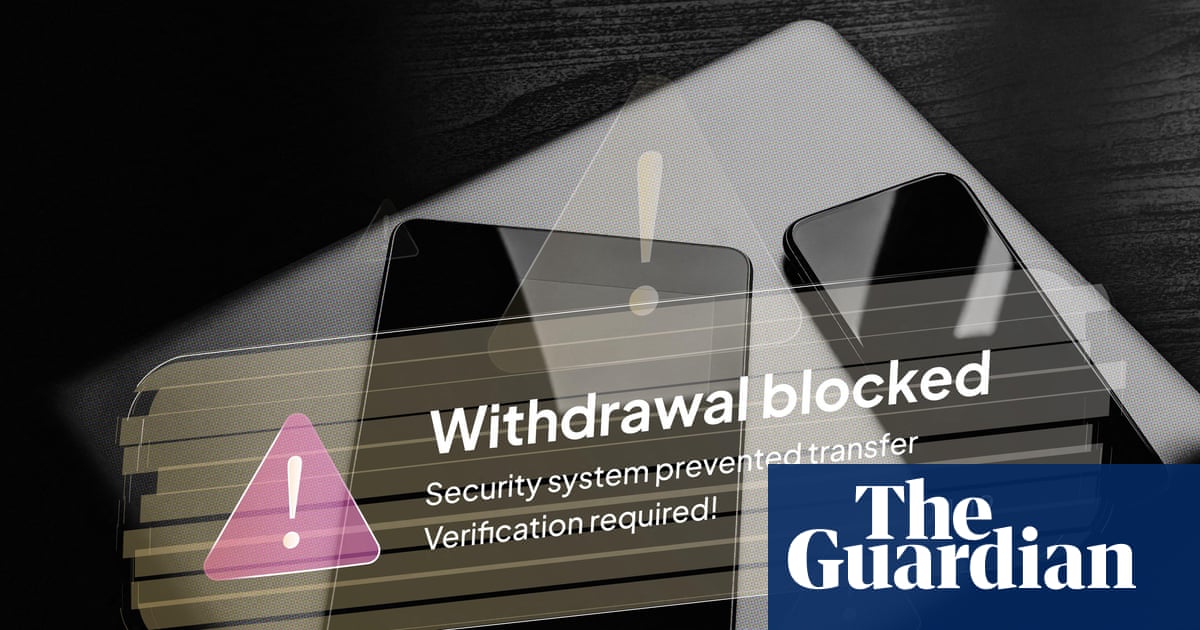
A reader writing to The Guardian has described how a house purchase worth tens of thousands of pounds is now at risk after Revolut froze their joint savings account in what the bank called a "routine security review". The couple's £37,000 deposit, held in that account, has been restricted for over a week. No documents, proof of identity or evidence of the source of funds have been requested, yet the money remains locked while the couple approach completion on their new home, having already given notice on their rental property. Direct debits linked to the account are bouncing, raising fears of damage to their credit records at precisely the moment a mortgage lender will be scrutinising their financial conduct.
This case, reported by The Guardian, matters far beyond one unlucky couple. It exposes a structural vulnerability in how UK property transactions are increasingly funded: through digital-only challenger banks that sit outside the traditional branch network and, crucially, outside the relationship-based dispute resolution that high street lenders can sometimes offer. For buyers, sellers, conveyancers and estate agents up and down a property chain, a single frozen account at the wrong moment can delay or collapse a transaction entirely. Completion dates are rarely flexible once exchange has occurred, and a chain with even one broken link can unravel quickly, leaving multiple parties out of pocket on removal costs, storage, bridging finance or temporary accommodation.
The timing described in this case is particularly acute. The couple have already served notice on their rental home, meaning they face the realistic prospect of homelessness if completion slips while their own deposit sits inaccessible in an account they cannot explain or justify, because no explanation has been sought. This illustrates a wider pattern that UK property professionals will recognise: security reviews conducted by digital banks can proceed without the kind of proportionate urgency that a time-critical transaction demands. Traditional lenders, with branch staff and established relationship managers, often provide a route to escalate urgent cases. Challenger banks built around app-based customer service can struggle to offer the same responsiveness when a five-figure sum is holding up a legal completion.
For buy-to-let landlords and portfolio investors, the lesson is one of diversification of banking risk rather than diversification of asset risk. Deposits destined for property purchases, particularly those timed against fixed exchange and completion dates, are arguably too important to sit solely within a single digital account that can be frozen without warning or explanation. First-time buyers, who are more likely to have consolidated savings into a single app-based account for convenience and better interest rates, may be disproportionately exposed to this kind of disruption, at the exact stage of the process when they have the least financial buffer and the least experience navigating a stalled chain.
Commercial investors and developers, who typically move larger sums through solicitors' client accounts and established corporate banking relationships, are less exposed to this specific risk, but the broader point still applies: as digital banking becomes embedded in everyday financial life, conveyancers and mortgage brokers need to factor banking provider risk into their due diligence conversations with clients far earlier in the transaction timeline. A deposit frozen a week before completion is a solicitor's and a broker's problem as much as a buyer's, because it threatens the fee income and reputational standing of every professional in the chain.
Looking ahead over the next six to twelve months, PropertyNews expects increased scrutiny of digital banks' security review processes from consumer bodies and potentially regulators, particularly where frozen funds intersect with time-critical legal transactions such as property completions. Conveyancers across markets from London and Surrey to Manchester, Birmingham, Leeds, Liverpool and Newcastle would be well advised to ask clients early in the process where their deposit funds are held, and to flag the risks of relying solely on digital-only providers for sums tied to exchange and completion dates. Buyers, meanwhile, should treat the consolidation of a house deposit into a single app-based account as a risk decision, not merely a convenience choice, and consider splitting large sums across a traditional bank and a digital provider well in advance of any transaction.
The structural message for the property market is clear: as more buyers bank digitally, the resilience of the conveyancing process depends increasingly on banking infrastructure that was not designed with legal completion deadlines in mind. Until digital banks build dedicated, rapid-response channels for customers mid-transaction, cases like this one will keep surfacing, and every party in a property chain, from first-time buyers to seasoned investors, carries a small but real exposure to a risk that has nothing to do with surveys, searches or mortgage approval, and everything to do with where the deposit happens to sit.
Key Takeaways
- A Revolut account freeze during a "routine security review" has left a £37,000 house deposit inaccessible days before completion, as reported by The Guardian.
- Buyers relying on digital-only banks should avoid holding time-critical deposit funds solely in a single app-based account, particularly close to exchange and completion.
- Conveyancers and mortgage brokers should proactively ask clients where deposit funds are banked and flag the risks of digital-only providers earlier in the transaction process.
- First-time buyers face disproportionate exposure to this risk given reliance on consolidated digital savings accounts with limited financial buffers if a chain stalls.