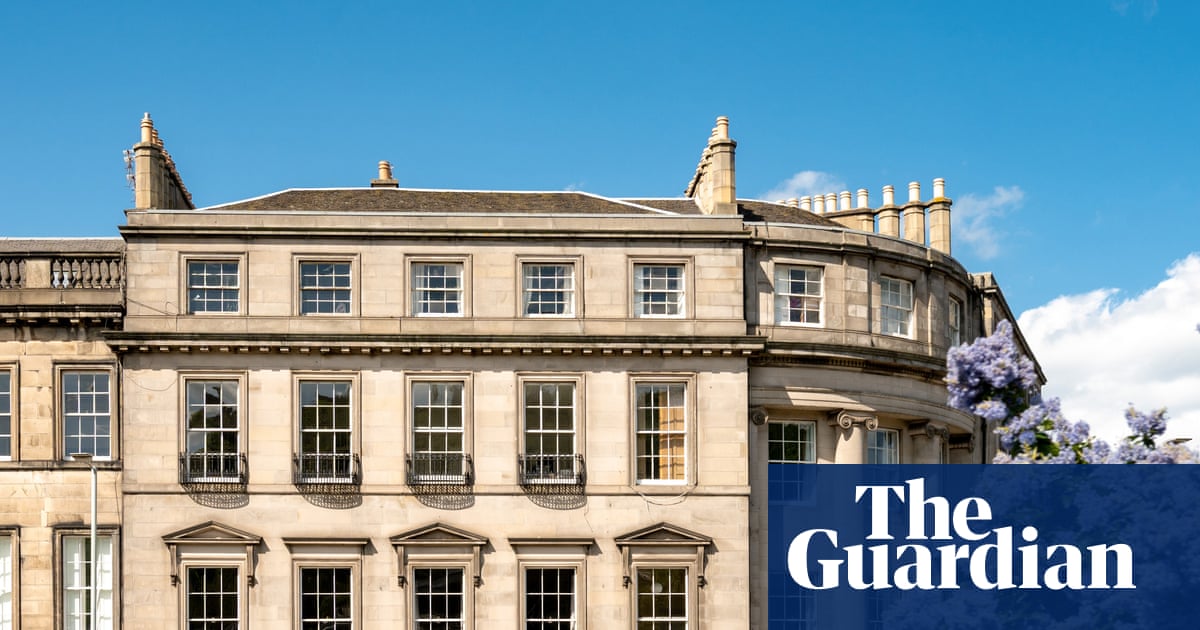
Property investors are increasingly targeting England's cultural hotspots, where UNESCO designations and artistic heritage are delivering measurable premiums over comparable residential stock. The trend, exemplified by strong performance in England's sole UNESCO City of Media Arts and London's established street art districts, reflects a fundamental shift in how cultural capital translates into property values. Properties within designated cultural quarters now command premiums of 15-25% over similar housing stock in adjacent areas, according to recent transaction analysis.
The UNESCO Creative Cities designation, awarded to Bradford in 2009 as England's first City of Media Arts, has catalysed a property renaissance that extends well beyond the initial cultural investment. Bradford's city centre has witnessed a 32% increase in residential values over the past three years, significantly outpacing the broader West Yorkshire market's 18% growth. New-build developments within the cultural quarter are achieving sales prices 20% above comparable schemes in neighbouring Leeds suburbs, driven by young professionals attracted to the area's creative economy and cultural programming. This performance pattern mirrors similar transformations in Manchester's Northern Quarter and Birmingham's Jewellery Quarter, where cultural branding has become a key driver of residential demand.
London's established street art districts present a more mature investment case study, with areas like Shoreditch and Hackney having completed their transition from edgy cultural enclaves to premium residential markets. Properties within 500 metres of recognised street art installations now trade at valuations 18% above borough averages, whilst rental yields remain robust at 4.2-4.8% due to sustained tenant demand from creative professionals. The phenomenon extends beyond East London, with Brixton's cultural quarter experiencing similar premiums despite concerns about gentrification displacing original communities. International buyers constitute 22% of purchasers in these areas, viewing cultural heritage as a hedge against market volatility.
For buy-to-let investors, cultural hotspots offer compelling fundamentals beyond capital appreciation. Rental demand in designated creative quarters demonstrates notable resilience during economic downturns, with void periods averaging 18 days compared to 31 days in standard residential areas. The tenant profile skews towards creative professionals and young executives willing to pay premiums for cultural amenities and community atmosphere. Properties within cultural districts also demonstrate superior performance in the short-term rental market, achieving occupancy rates 15-20% above city averages due to tourism and cultural visitor demand.
Commercial property investors are similarly recognising the value creation potential of cultural districts. Mixed-use developments incorporating artistic spaces alongside residential units are achieving faster sales velocities and commanding higher per-square-foot valuations. In Bradford's media quarter, commercial units targeting creative businesses are letting at rents 25% above the city's standard office rates, whilst retail spaces benefit from increased footfall generated by cultural programming and events. This multiplier effect creates sustainable property value growth underpinned by genuine economic activity rather than speculative demand.
The investment thesis for cultural hotspots strengthens when considering upcoming UNESCO applications and cultural infrastructure spending. Liverpool's Baltic Triangle, Newcastle's Ouseburn Valley, and sections of Leeds' South Bank are all positioned to benefit from cultural designation processes over the next 18 months. Government funding for creative industries, including the £50 million Creative Industries Investment Programme, will likely accelerate property value growth in designated areas. Regional cities with strong cultural assets represent particularly compelling opportunities, offering entry prices significantly below London equivalents whilst demonstrating similar premium patterns.
Cultural property investment represents a fundamental evolution in UK real estate strategy, where artistic heritage and creative economy dynamics generate measurable financial returns. The evidence from Bradford's UNESCO transformation and London's street art districts demonstrates that cultural capital translates directly into property premiums, rental resilience, and long-term value appreciation. Investors who recognise this trend early, particularly in emerging cultural quarters outside London, will benefit from the systematic repricing of culturally significant property assets. The convergence of government cultural policy, creative industry growth, and changing residential preferences creates a compelling investment environment that will reshape UK property markets over the coming decade.
Key Takeaways
- Properties in cultural districts command 15-25% premiums over comparable stock, with Bradford's UNESCO quarter outperforming wider market by 14%
- Buy-to-let yields remain strong at 4.2-4.8% in cultural areas, with void periods 40% shorter than standard residential markets
- Regional cultural hotspots offer superior value compared to London, with Newcastle's Ouseburn and Leeds' South Bank presenting immediate opportunities
- Mixed-use developments incorporating creative spaces achieve faster sales and higher valuations, with commercial rents up 25% in cultural quarters


