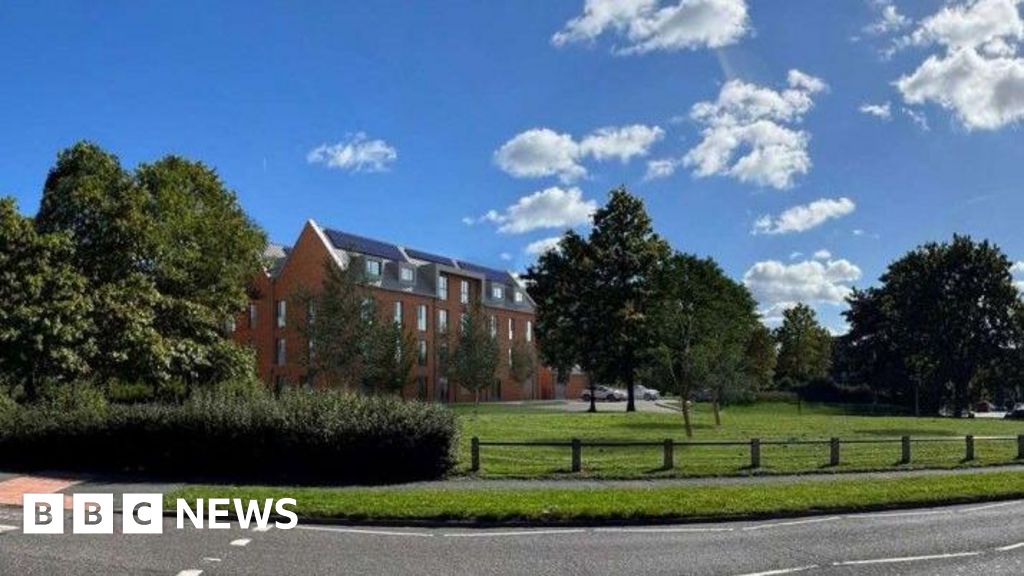
Leeds faces an unprecedented housing crisis as its council house waiting list has swelled to 26,000 households, marking a significant escalation in the city's accommodation shortage that will have profound implications for private rental yields and property investment strategies. The Leeds City Council report identifying 'significant' housing pressures underscores a fundamental supply-demand imbalance that positions the city as one of the UK's most acute housing stress points outside London.
This surge in social housing demand reflects broader demographic and economic pressures reshaping Yorkshire's largest city. Leeds has experienced substantial population growth over the past decade, driven by major financial services expansions, university sector growth, and the HS2 connectivity boost. With the city's population now exceeding 800,000, the private rental sector has absorbed much of this demand, but capacity constraints are becoming increasingly apparent. The 26,000-strong waiting list represents roughly 8% of Leeds' total housing stock, indicating that traditional social housing provision has reached breaking point.
For buy-to-let investors, this crisis presents compelling opportunities across multiple price segments. Areas such as Harehills, Armley, and Beeston are experiencing rental yield compression as demand intensifies, whilst previously overlooked neighbourhoods like Holbeck and Richmond Hill are attracting significant investor interest. Property values in these areas have risen 12-18% annually, with rental yields maintaining strength at 6-8% despite purchase price inflation. The council's acknowledgment of housing pressure validates investment strategies targeting mid-market rental properties priced between £120,000-£180,000.
The wider Yorkshire property market will experience ripple effects from Leeds' housing shortage. Manchester and Liverpool investors are already noting increased competition from Leeds-focused capital, whilst Sheffield and Bradford are positioning themselves as alternative investment destinations for yield-focused portfolios. Newcastle's rental market, historically softer than Yorkshire counterparts, is witnessing renewed investor attention as Leeds pricing becomes increasingly stretched. Regional developers are responding by accelerating build-to-rent schemes, particularly in Leeds city centre and inner-ring suburbs.
Commercial property dynamics in Leeds are intrinsically linked to this residential crisis. Major employers including Sky Betting & Gaming, First Direct, and expanding fintech companies are finding recruitment increasingly challenging as housing costs rise relative to salaries. This employment-housing mismatch is driving corporate relocations to business parks with superior transport links, creating investment opportunities in mixed-use developments along key corridors including the A61 and M621 intersections. Build-to-rent developments are attracting institutional capital, with yields of 4.5-5.5% proving attractive against gilt alternatives.
Government policy responses will prove crucial for property market trajectories over the next 12 months. The council's acknowledgment of 'significant pressures' typically precedes planning policy relaxation, potentially accelerating development approvals in Green Belt adjacent areas. Leeds City Council's Local Plan review, expected within six months, will likely increase density allowances and expand development boundaries. These changes will benefit developers and investors positioned in emerging corridors, particularly areas served by existing transport infrastructure but currently underdeveloped.
Leeds' housing crisis represents a microcosm of broader UK urban pressures, but with particularly acute investment implications. The combination of strong economic fundamentals, constrained supply, and rising institutional recognition positions Leeds rental property as a defensive asset class with superior yield characteristics. Investors focusing on sub-£200,000 properties in established rental areas will benefit from sustained demand growth, whilst the social housing waiting list provides a robust demand floor supporting rental market stability. The city's housing shortage has evolved beyond a social policy challenge into a fundamental economic constraint that will drive property investment returns for the foreseeable future.
Key Takeaways
- Leeds' 26,000-strong council house waiting list signals severe housing shortage driving private rental demand and yields higher
- Buy-to-let opportunities strongest in sub-£180,000 segment with 6-8% yields available in areas like Armley and Beeston
- Housing crisis constraining major employer recruitment, accelerating corporate interest in build-to-rent developments
- Local Plan review expected within six months will likely relax planning constraints, benefiting positioned developers and investors


