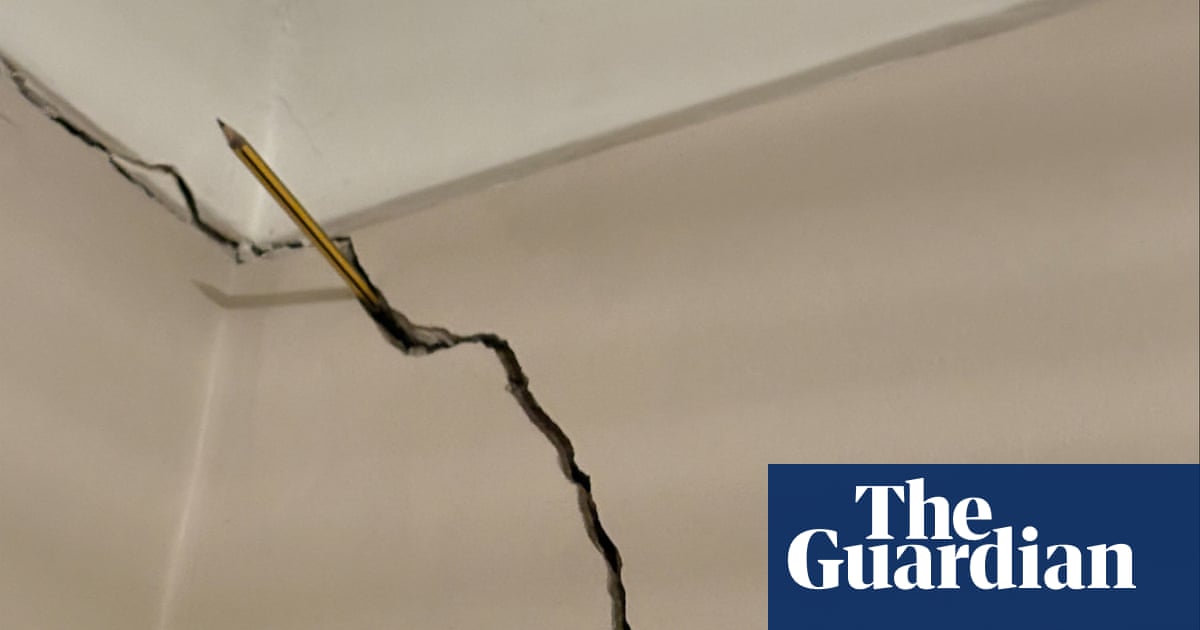
Police and fire crews were dispatched to the scene of an explosion in Manchester this week, according to reports from the Manchester Evening News, with emergency services attending a live incident in the city. While full details of the cause, location and extent of damage remain limited at this stage, the event serves as a timely reminder for property investors, landlords and developers of the risks that sit beneath the surface of the UK's most dynamic regional property market.
Manchester has, over the past decade, become one of the standout success stories of UK regional property investment, with residential values rising by more than 60% since 2013 according to Land Registry data, and commercial rents in the city centre continuing to outperform many other core UK cities. Yet incidents such as this explosion — whatever its ultimate cause turns out to be — underline a less glamorous but equally important dimension of property ownership: risk management. For landlords and commercial investors holding assets in dense urban centres, unplanned structural events carry consequences that extend well beyond the immediate emergency response, touching insurance premiums, tenant confidence and, in some cases, planning and safety compliance obligations.
The insurance implications are worth dwelling on. Buildings insurance for commercial and residential blocks in major UK cities has already hardened significantly since 2022, driven by a combination of the post-Grenfell regulatory environment, rising claims inflation, and reinsurers repricing catastrophe risk. Any explosion event, regardless of cause — whether gas-related, electrical, or otherwise — tends to prompt insurers to review underwriting assumptions for similarly constructed buildings in the surrounding area. Landlords in Manchester's city centre, where much of the newer stock is high-density apartment blocks built in the last fifteen years, should expect increased scrutiny from insurers and potentially higher premiums on renewal, particularly if the explosion is linked to ageing infrastructure, gas mains, or construction defects.
This has knock-on effects across the market. First-time buyers eyeing Manchester's more affordable apartment stock compared to London or Surrey may find mortgage lenders asking more probing questions about building safety certification, following the well-documented issues with EWS1 forms and cladding remediation that dogged the market from 2019 onwards. Developers active in Manchester, Birmingham, Leeds and Liverpool — cities all pursuing ambitious city-centre densification strategies — will be watching closely to see whether this incident triggers any regulatory response similar to the tightening seen after previous high-profile building safety failures. Any suggestion of systemic risk, even if this particular explosion proves to be an isolated incident, could slow planning approvals or add compliance costs to new residential towers already navigating the Building Safety Act 2022's stricter regime for higher-risk buildings.
For buy-to-let landlords specifically, the practical takeaway is more immediate. Portfolio landlords with exposure to Manchester, or indeed any major UK city, should treat this as a prompt to review their own buildings insurance coverage, gas safety certification schedules, and emergency response protocols. With over 2.7 million households in England privately rented and gas safety checks a legal requirement under the Gas Safety (Installation and Use) Regulations, lapses in compliance carry both safety and financial consequences that go well beyond reputational damage should an incident occur on a landlord's own property.
Looking ahead six to twelve months, I expect this incident — assuming it is confirmed as an isolated event rather than symptomatic of wider infrastructure failure — to have a negligible effect on Manchester's overall investment narrative. The city's fundamentals remain compelling: strong population growth, continued corporate relocation from London, and rental yields averaging 6-7% in postcodes such as M1 and M4 that comfortably outstrip the South East. However, the episode should sharpen focus across the sector on the less visible costs of property ownership — insurance, compliance and safety — at a moment when regulatory tightening shows no sign of reversing. Investors who treat building safety as a box-ticking exercise rather than an ongoing commercial discipline will increasingly find themselves exposed, both financially and reputationally, in a market where scrutiny of the built environment has never been higher.
Key Takeaways
- Landlords with property in Manchester and other major regional cities should review buildings insurance and gas safety compliance following any local explosion incident, regardless of confirmed cause.
- Insurers are likely to reassess risk pricing for similarly constructed buildings near the incident site, potentially raising premiums on renewal for nearby landlords.
- Developers pursuing city-centre densification in Manchester, Birmingham, Leeds and Liverpool should anticipate continued regulatory tightening under the Building Safety Act 2022 regardless of this incident's specific cause.
- Manchester's underlying investment fundamentals — 6-7% yields and sustained population growth — remain intact, but investors should treat safety and compliance as an ongoing cost of doing business rather than a one-off expense.