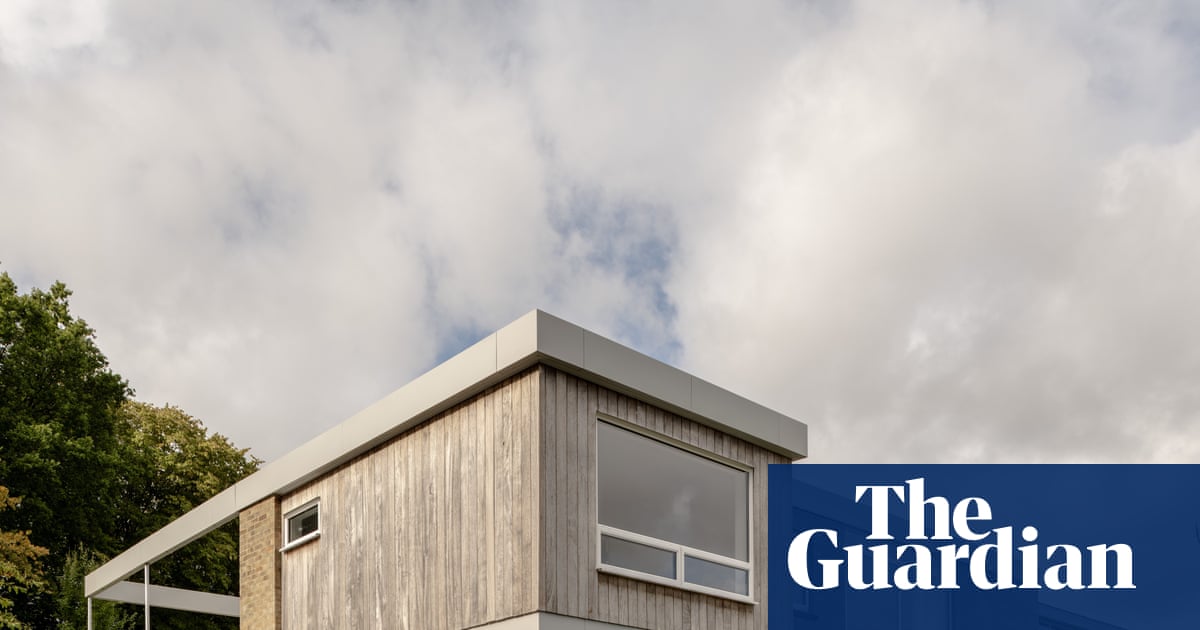
A £300,000 home in Leeds has caught attention for its clever internal layout, which includes the potential to create a third bedroom, as reported by the Yorkshire Evening Post. On the surface this is a single property listing, but it is also a useful snapshot of a broader trend reshaping demand across the UK housing market: buyers and investors increasingly prize flexibility over size alone, and are willing to pay for homes that can adapt to changing needs rather than simply offering more square footage.
For professional investors and landlords, this matters because adaptable layouts have become a genuine differentiator in a market where affordability remains stretched and many purchasers are squeezed between what they need and what they can borrow. A property that can convincingly flex from two bedrooms to three without costly structural work offers a buyer, or a tenant, more for their money without the price tag of a larger home. In a city such as Leeds, where £300,000 sits at a meaningful price point for family buyers moving up from flats or terraces, that kind of versatility can be the deciding factor between a property that sells quickly and one that lingers on the market.
This is particularly relevant to the Yorkshire regional market, where Leeds continues to compete with Manchester, Liverpool and Newcastle for inward investment, professional relocations and first-time buyer interest. Each of these northern cities has its own character, but they share a common pressure: buyers want homes that work harder for them, whether that means a home office, a nursery, or additional rental income from a spare room. A well-configured £300,000 property in Leeds, capable of accommodating a growing family or a lodger, speaks directly to that demand and gives sellers and agents a strong marketing hook in a competitive price bracket.
For buy-to-let landlords and portfolio investors, the implications extend beyond this single listing. Properties with genuine flexibility, where a study, dining room or loft space can credibly convert into a third bedroom, tend to command stronger rental interest because they appeal to a wider pool of tenants: sharers, small families and professionals needing home-working space all at once. PropertyNews analysis suggests that as hybrid working becomes entrenched and household budgets remain tight, this adaptability premium is likely to persist, and landlords who acquire or convert such properties may find they future-proof their rental appeal rather than relying solely on location or finish quality.
First-time buyers, meanwhile, are often the most sensitive to this kind of value engineering. A £300,000 budget in many parts of the South East, including Surrey, would struggle to secure even a modest terraced house, whereas in Leeds it can stretch to a property offering genuine room to grow. This regional price disparity continues to drive relocation and investment interest northward, reinforcing Leeds's position as one of the more accessible entry points for buyers seeking long-term capital growth alongside immediate livability. Developers and commercial investors eyeing the Yorkshire market should take note: schemes that build in adaptable room configurations from the outset, rather than relying on buyers to retrofit space later, are likely to resonate strongly with this same cohort of value-conscious purchasers.
Looking ahead over the next six to twelve months, PropertyNews analysis expects demand for flexible, multi-purpose homes to intensify rather than fade, particularly in mid-priced regional markets where buyers are balancing affordability against lifestyle needs. Leeds, with its combination of relative affordability compared to London and the South East, strong transport links, and ongoing regeneration, remains well placed to benefit from this shift. Investors and developers who prioritise adaptable layouts, whether through new build design or sympathetic renovation of existing stock, are likely to find themselves ahead of a market that is increasingly rewarding flexibility over raw size.
Key Takeaways
- A £300,000 Leeds property with a convertible third bedroom illustrates growing buyer demand for flexible living space over raw square footage.
- Landlords should consider that adaptable layouts, suitable for sharers, families or home-workers, can widen a property's tenant appeal and support rental resilience.
- First-time buyers continue to find stronger value in Yorkshire cities like Leeds compared to the South East, where £300,000 buys far less flexibility.
- Developers targeting mid-priced regional markets should prioritise built-in flexibility, as PropertyNews analysis expects this trend to strengthen over the next 6-12 months.