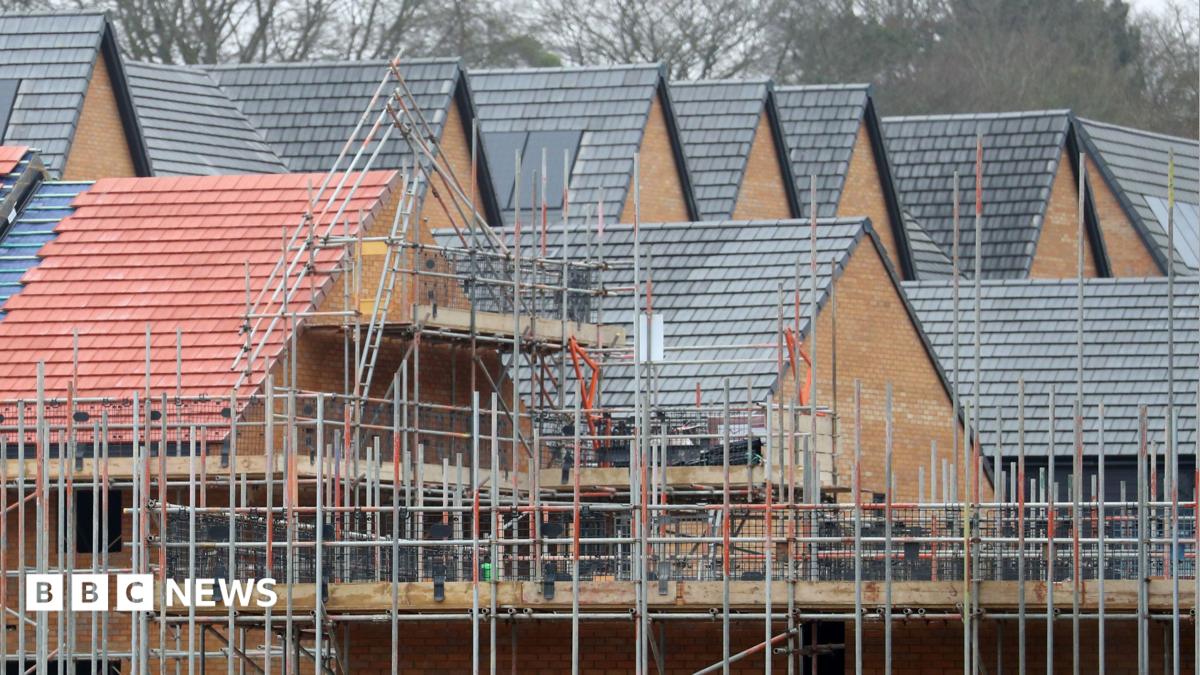
Planning officers in Cambridgeshire have identified a clear need for affordable housing in a village within the county, paving the way for a proposed development that could deliver 100% affordable homes. The scheme, if it proceeds through the planning process as envisaged, would mark a departure from the more typical model of mixed-tenure developments, where affordable units are delivered alongside market-rate housing as a condition of planning consent.
For UK property investors and developers, this story matters far beyond the boundaries of a single Cambridgeshire village. Rural and semi-rural communities across England have long struggled with a mismatch between local housing need and available stock, with young families, key workers and older residents often priced out of villages where market values have been pushed up by commuter demand, second-home buyers and limited land supply. Cambridgeshire itself sits within one of the country's most pressured housing markets, sandwiched between the affordability crisis radiating out from Cambridge and the wider pull of London commuter belt dynamics. A fully affordable scheme endorsed by planning officers signals that local authorities are increasingly willing to prioritise housing need over the density and tenure mix that typically maximises land value for developers.
This has direct implications for how developers approach land acquisition and viability assessments in similar rural locations. A 100% affordable model fundamentally changes the economics of a site. Developers accustomed to negotiating section 106 contributions on mixed schemes will need to engage differently with housing associations, registered providers and local authorities where officers are signalling that full affordable provision is the expectation rather than a negotiating position. For housebuilders active in the East of England, this Cambridgeshire example may well become a reference point in discussions with planning committees in other villages facing similar pressures, from Suffolk and Norfolk through to parts of Hertfordshire.
Buy-to-let landlords and private rental sector investors should also take note, even though this particular scheme is framed around affordable tenure rather than open-market lettings. Where local authorities succeed in unlocking land for 100% affordable schemes, it can ease some of the acute pressure that has driven rents upward in villages where private landlords have effectively become the only route into local housing for residents unable to buy. If more parish and district councils follow Cambridgeshire's lead in backing fully affordable schemes, this could, over time, temper rental demand growth in the most constrained rural pockets, a trend worth monitoring for landlords with portfolios concentrated in commuter villages rather than city centres such as Manchester, Birmingham or Leeds where supply dynamics differ considerably.
First-time buyers stand to be among the most direct beneficiaries if the scheme comes forward as planned. Affordable housing delivered through planning permission, whether for shared ownership, affordable rent or discounted market sale, typically offers one of the few realistic routes into homeownership for younger buyers in villages where open-market prices have drifted well beyond local wages. The fact that planning officers have explicitly identified need in this Cambridgeshire village suggests council-level data, likely drawn from housing needs surveys and waiting list evidence, is building a stronger case for prioritising affordable delivery in rural planning decisions nationally.
Looking ahead over the next six to twelve months, PropertyNews analysis suggests this case will be watched closely by planning authorities and registered providers elsewhere grappling with similar rural affordability pressures. Should the Cambridgeshire scheme secure consent and move to delivery, it could encourage other councils to test fully affordable proposals on sites previously assumed to require a market-housing component to be commercially viable. Developers and housing associations bidding for rural land should factor in the possibility that planning officers in pressured counties will increasingly favour schemes weighted heavily, or entirely, towards affordable tenure, particularly where local need evidence is strong. Commercial investors with exposure to land promotion and strategic sites in the East of England should reassess assumptions about achievable tenure mix accordingly.
The broader lesson for the market is that affordability pressure is no longer confined to Britain's major cities. Villages in counties such as Cambridgeshire are now generating the same kind of planning responses once reserved for urban housing crises, and investors who assume rural England offers a straightforward path to market-rate development may find planning committees pushing back harder in favour of local need. Those who adapt their land strategy and viability modelling to this shift will be better positioned than those who do not.