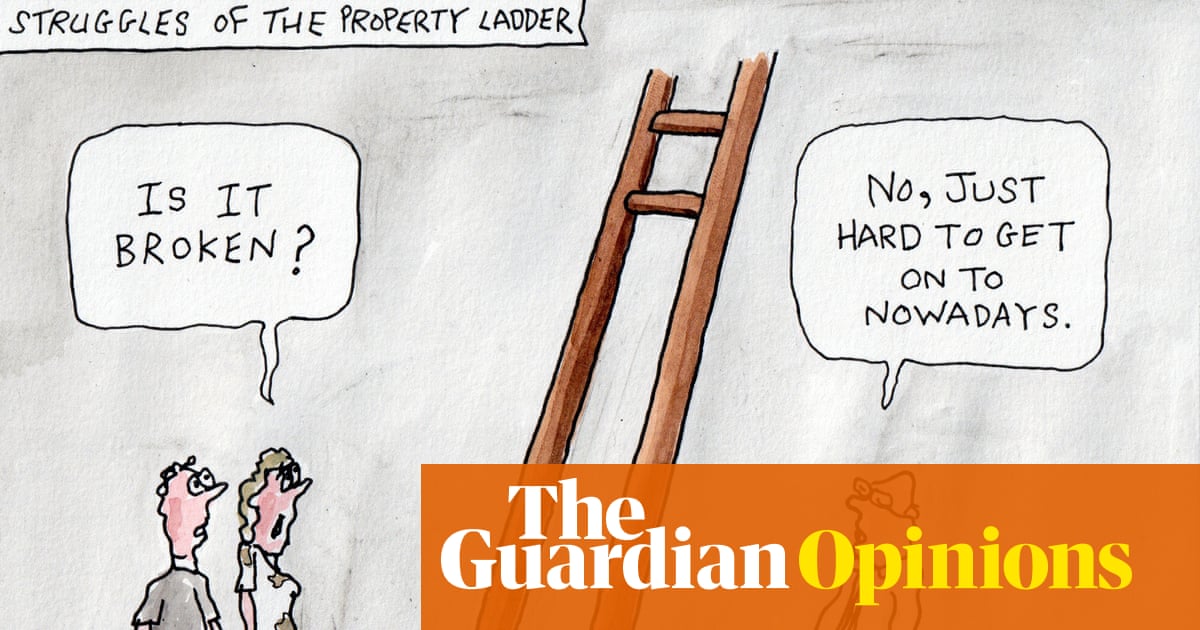
Britain's housing market has long assumed a default buyer: a couple, pooling two incomes, splitting one mortgage. That assumption is increasingly out of step with reality. Office for National Statistics figures show more than 8.3 million people in England and Wales now live alone, a figure that has risen by nearly 20% over the past decade, and the financial penalty for doing so is becoming impossible to ignore. Singles typically pay a full council tax bill minus only a 25% discount, cover the entirety of standing charges on gas, electricity, water and broadband, and face mortgage affordability tests calculated against a single salary in a market where average UK house prices sit around £290,000. The result is a structural disadvantage that is now driving a quiet but significant shift in how people approach homeownership.
For property investors and lenders, this matters enormously. The rise of friends co-buying — using Joint Borrower Sole Proprietor mortgages, tenants-in-common agreements, or simply splitting a standard joint mortgage with a cohabitation contract — is no longer a fringe phenomenon confined to students. Halifax and Barclays have both reported growing demand for multi-applicant mortgages from unrelated adults, and specialist brokers now routinely structure deals for three or four friends buying together in cities such as Manchester, Leeds and Birmingham, where entry-level flats in regeneration zones remain within reach of pooled incomes but not individual ones. This is reshaping demand at the lower end of the market precisely where developers have been slow to build: one- and two-bedroom units suited to shared ownership by unrelated adults rather than couples or families.
The regional picture is stark. In London and Surrey, where average first-time buyer deposits now exceed £100,000 in many postcodes, solo buyers are almost entirely priced out without family help, making co-buying with friends one of the few realistic routes to ownership for anyone outside the top income decile. Contrast this with Newcastle and Liverpool, where average property prices remain below £180,000, allowing single buyers to purchase modest flats on a single income — but even there, the ongoing costs of living alone, from insurance premiums to utility standing charges that don't scale down for one occupant, erode much of that affordability advantage. Birmingham sits awkwardly in between: strong regeneration-driven price growth is beginning to squeeze solo buyers out of areas they could previously afford, pushing more towards shared purchase arrangements with friends or siblings.
Buy-to-let landlords and build-to-rent developers should read this trend as a demand signal rather than a threat. The traditional two-bedroom flat, long marketed to couples or sharers on flexible tenancies, is increasingly occupied by groups of friends formalising what was previously an ad hoc houseshare into something more permanent — sometimes even pursuing joint purchase of the property they've been renting together. Institutional landlords in the build-to-rent sector, particularly in Manchester and Leeds where large-scale schemes from Grainger and Legal & General Investment Management dominate city-centre stock, are already designing units with equal-sized double bedrooms and shared living space specifically to appeal to cohabiting friend groups rather than couples. Expect more schemes explicitly marketed on this basis over the next 12 months, with rental agreements structured to make joint tenancy administratively simple rather than an afterthought.
For first-time buyers, the practical implications are significant and immediate. Mortgage brokers report that JBSP and multi-applicant products, once niche, are becoming mainstream enough that most major lenders now have clear policies for unrelated co-purchasers, though affordability stress-testing and exit strategies — what happens when one party wants to sell — remain underdeveloped areas of consumer protection. Anyone considering this route should treat it with the same rigour as a business partnership: a formal declaration of trust setting out ownership shares, contribution splits and an agreed process for one party exiting is essential, and solicitors specialising in cohabitation property law are seeing a marked uptick in instructions from groups of three or four friends rather than couples.
Over the coming six to twelve months, expect the co-buying trend to accelerate rather than plateau. Mortgage rates hovering around 4.5–5% for standard two-year fixes continue to squeeze solo affordability, while the ONS projects the number of single-person households will keep rising as marriage rates fall and people delay partnering into their thirties. Lenders who move fastest to formalise and de-risk multi-applicant products — with clearer exit mechanisms and fairer affordability assessments — stand to capture a growing and currently underserved segment of the market. Developers and build-to-rent operators who design specifically for friend-groups rather than couples or families will likewise find themselves ahead of a demographic curve that shows no sign of reversing.
Key Takeaways
- Over 8.3 million people in England and Wales now live alone, up nearly 20% in a decade, intensifying demand for co-buying solutions.
- JBSP and multi-applicant mortgages from unrelated adults are becoming mainstream products at major lenders, not niche offerings.
- Regional affordability gaps are stark: London and Surrey solo buyers are largely priced out, while Newcastle and Liverpool remain accessible on one income.
- Build-to-rent developers in Manchester and Leeds are already redesigning units for cohabiting friend groups rather than couples.
- Anyone co-buying with friends should secure a formal declaration of trust covering ownership shares and exit terms before completing.