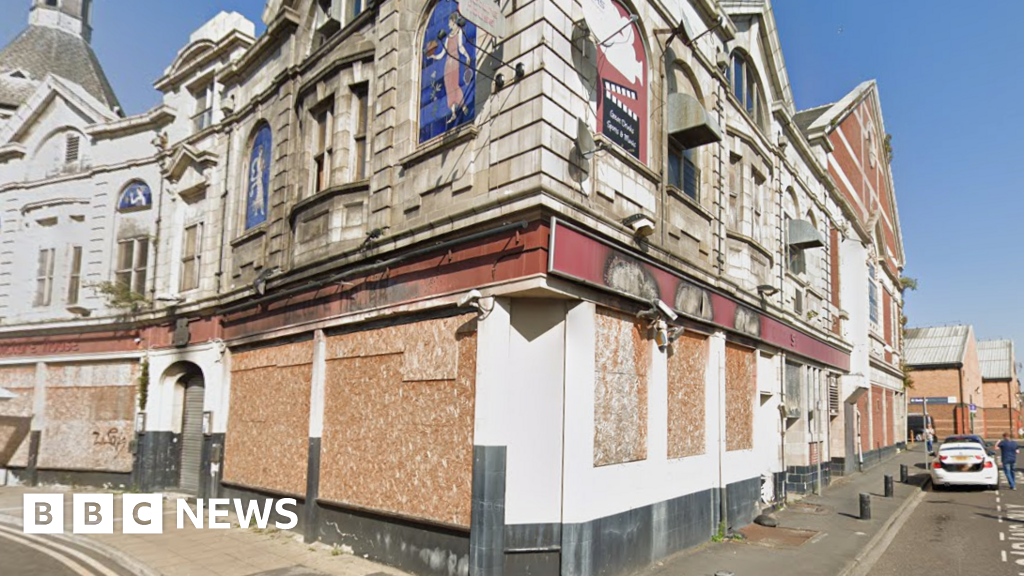
The proposed conversion of Castleford Picture House into 37 residential units marks a significant development in the adaptive reuse sector, demonstrating how developers are increasingly targeting damaged heritage assets as viable residential opportunities. The century-old cinema, which has remained vacant since fire damage in 2017, represents a growing category of distressed commercial properties being repurposed to address acute housing shortages across West Yorkshire and similar post-industrial areas.
This conversion strategy reflects broader market dynamics driving developers towards heritage buildings, particularly in towns like Castleford where traditional commercial uses have become economically unviable. The seven-year vacancy period following the fire damage created an opportunity for residential developers to acquire the property at below-market rates whilst benefiting from existing planning precedents that favour housing delivery. Similar conversions have delivered gross yields of 8-12% for investors in comparable Yorkshire markets, significantly outperforming traditional buy-to-let acquisitions in established residential areas.
The 37-unit scheme aligns with demographic trends across West Yorkshire's former mining communities, where young professionals and first-time buyers are seeking affordable alternatives to Leeds city centre. Average property prices in Castleford remain approximately 40% below regional averages, creating compelling value propositions for both developers and end purchasers. The conversion will likely target the £120,000-£180,000 price bracket, positioning units competitively against new-build alternatives whilst offering the character and space premium that period conversions typically command.
From a planning perspective, heritage cinema conversions have gained significant momentum following policy changes that prioritise housing delivery over commercial preservation where buildings face long-term vacancy. Local authorities across Yorkshire, Greater Manchester, and the Midlands have increasingly supported similar schemes, recognising their contribution to housing targets whilst preserving architectural heritage that might otherwise deteriorate. The Castleford project benefits from this policy environment, where planning committees demonstrate greater flexibility on heritage conversions that deliver substantial residential units.
The investment implications extend beyond individual project returns to signal broader confidence in secondary town centre regeneration. Developers targeting similar fire-damaged or structurally compromised heritage assets are finding increasing support from specialist lenders who recognise the risk-adjusted returns available in this sector. Construction costs for heritage conversions typically run 15-20% above new-build equivalents, but the planning certainty and reduced land acquisition costs often offset this premium whilst delivering superior rental yields.
Regional markets across the North will closely monitor this project's progress as a template for addressing twin challenges of heritage preservation and housing supply. Towns including Wakefield, Huddersfield, and Bradford harbour numerous similar assets where commercial viability has been compromised but residential potential remains strong. The success of the Castleford conversion could accelerate similar schemes across West Yorkshire, creating a pipeline of heritage residential developments that reshape town centre living patterns over the next three to five years.
The Picture House conversion ultimately represents astute commercial positioning within a market segment that combines social benefit with strong returns. Developers who master the complex planning, financing, and construction challenges of heritage conversions will find themselves well-positioned to capitalise on the growing pipeline of similar opportunities across Britain's post-industrial heartlands. This project's execution will provide crucial performance data that shapes investor confidence in comparable schemes throughout 2024 and beyond.
Key Takeaways
- Heritage conversions are delivering 8-12% gross yields in Yorkshire markets, outperforming traditional buy-to-let investments
- Planning policy increasingly favours residential conversion of long-vacant commercial buildings over preservation requirements
- Target pricing of £120,000-£180,000 positions converted units competitively against new-builds whilst offering character premiums
- Success of this project could accelerate similar heritage conversions across West Yorkshire's secondary towns over the next 3-5 years


