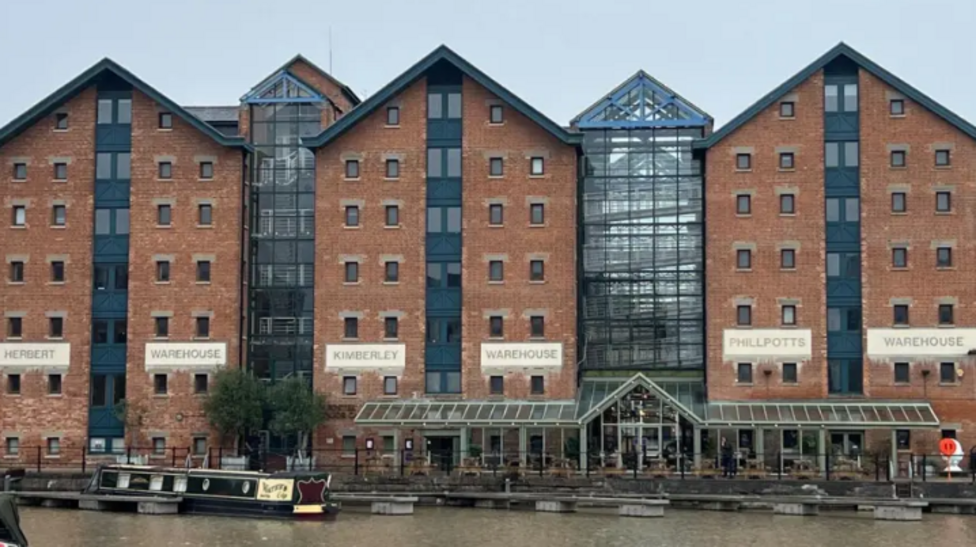
Gloucestershire County Council's acknowledgement that it owns approximately 100 vacant buildings represents more than a local administrative oversight - it signals a systemic issue across English local authorities that creates both immediate risks and substantial opportunities for private property investors. The council's defensive positioning that these properties are "earmarked for development" masks a deeper reality: cash-strapped local authorities are sitting on valuable real estate assets whilst private developers face acute land shortages across key growth markets.
Analysis of similar admissions from councils across England suggests that local authorities collectively control between 8,000 and 12,000 empty buildings, representing an estimated £2 billion in development potential. In high-demand markets such as Manchester, where residential land values have increased 34% over two years, similar council-owned vacant properties command premium valuations. Birmingham City Council, facing effective bankruptcy, owns an estimated 150 empty buildings, whilst Surrey councils control former administrative buildings that could yield 2,000+ residential units in areas where new homes sell for £450,000-£650,000.
The financial pressures driving this phenomenon create clear investment opportunities for private capital. Councils facing budget deficits averaging 15-20% annually increasingly view property disposal as essential revenue generation. Gloucestershire's situation exemplifies this trend - local authorities lack the capital to develop their vacant holdings but possess valuable assets in established locations with existing infrastructure. For property developers and institutional investors, these represent lower-risk opportunities compared to greenfield developments, particularly given planning permissions are often easier to secure for existing buildings.
The implications vary significantly across regional markets, with the most compelling opportunities emerging in secondary cities experiencing strong population growth. Leeds and Liverpool councils both control substantial vacant portfolios in areas where private rental yields exceed 7%, making conversion projects particularly attractive to buy-to-let investors. Conversely, London boroughs face different dynamics - whilst land values are higher, conversion costs and planning complexity often diminish returns. Newcastle presents perhaps the strongest opportunity, with council-owned buildings available in areas experiencing 12% annual house price growth driven by tech sector expansion.
This council property overhang will accelerate disposal activity throughout 2024-2025, creating a buyer's market for experienced developers willing to navigate local authority procurement processes. The most astute investors will target authorities facing the greatest financial pressure - typically those with adult social care budget shortfalls exceeding £50 million annually. These councils demonstrate greatest motivation to achieve quick sales, often accepting valuations 10-15% below market rates in exchange for certainty and speed.
For different market participants, the strategic implications are clear. Institutional investors should prioritise councils offering portfolios rather than individual buildings, enabling economies of scale in conversion projects. Buy-to-let landlords will find the strongest opportunities in former council office buildings located within 800 metres of transport links in cities like Manchester and Birmingham. Commercial property investors should focus on larger vacant buildings suitable for mixed-use development, particularly in town centres where councils actively support regeneration initiatives.
The Gloucestershire admission represents the beginning of a significant market correction that will see thousands of publicly-owned buildings transfer to private ownership over the next 18 months. Investors positioned to move quickly on opportunities will benefit from both discounted acquisition costs and reduced competition, as many councils prefer dealing with serious buyers capable of completing transactions within 12-16 weeks. This represents one of the most significant property investment opportunities since the post-2008 distressed sales cycle.
Key Takeaways
- English councils collectively control £2bn worth of empty buildings ripe for private acquisition and development
- Secondary cities like Birmingham, Leeds and Newcastle offer strongest returns for council property conversion projects
- Financial pressures force councils to accept 10-15% discounts for quick sales with completion certainty
- Portfolio buyers targeting distressed councils will secure best opportunities over next 18 months


