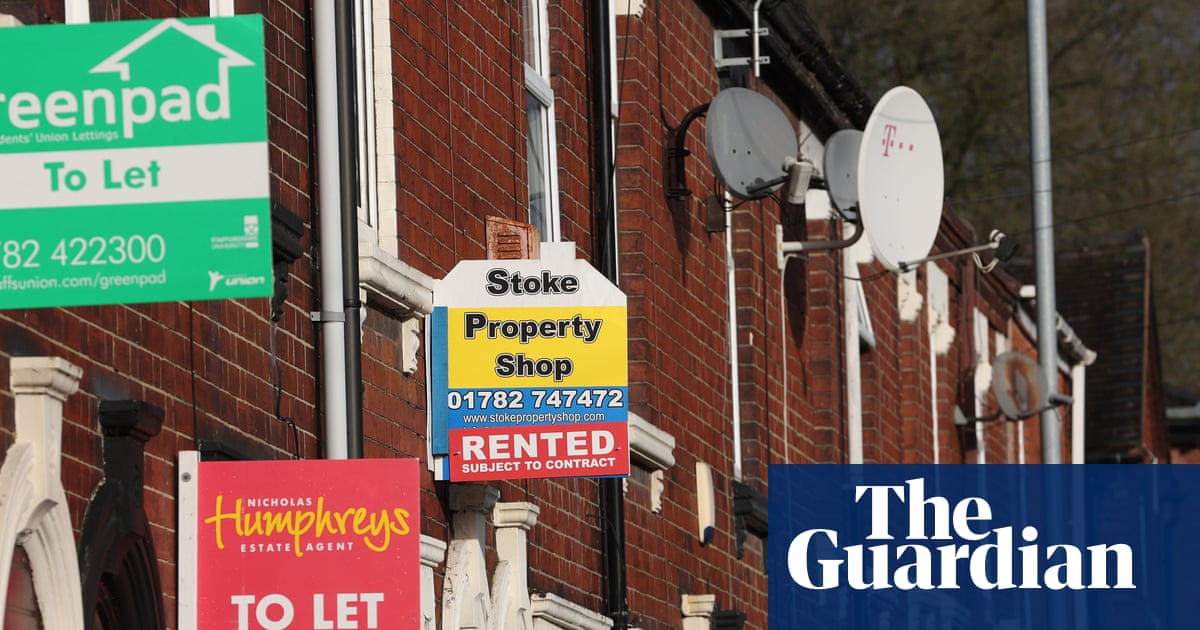
Newcastle City Council has confirmed that a long-neglected property in the Walker area of the city is now set for revival following direct council action, as Newcastle City Council reported. While the specifics of the enforcement route taken by the authority were not detailed, the outcome is clear: a home that had fallen into disrepair and disuse is being brought back into productive use, rather than continuing to sit empty on a residential street.
For UK property investors and landlords, cases like this matter far beyond the boundaries of a single street in Walker. Empty and derelict homes represent a persistent drag on local housing supply, depress neighbouring property values, and often become magnets for anti-social behaviour, vandalism and further deterioration. When a council moves decisively to force a property back into use, it signals that local authorities are willing to use their statutory powers rather than simply monitor the problem. That has implications for owners of vacant properties across the North East and beyond, particularly those who have treated long-term vacancy as a low-risk holding strategy while they wait for favourable market conditions or planning outcomes.
Newcastle, like many post-industrial UK cities including Liverpool, Newcastle and parts of Birmingham, has areas where Victorian and interwar terraced housing stock has suffered from absentee ownership, probate delays, or owners lacking the capital to renovate. Walker itself sits within this broader pattern of established, often undervalued residential neighbourhoods where individual empty properties can have an outsized negative effect on street appeal and buyer confidence. Councils across these cities have increasingly leaned on empty homes strategies, recognising that bringing even a handful of properties back into use can have a disproportionate positive effect on local market sentiment and rental demand.
From an investment perspective, this kind of council intervention should prompt buy-to-let landlords and smaller developers to reassess the risk of holding property in poor condition for extended periods. Where a local authority is prepared to act, owners who fail to maintain or bring properties back into habitable use face a tangible risk of losing control over the asset's timeline and, potentially, its ownership. For first-time buyers and owner-occupiers in the Walker area, the return of a previously empty home to the market, whether for sale or rent, adds incremental supply in a city where housing stock in established neighbourhoods remains in steady demand.
Commercial investors and developers active in regeneration-focused acquisitions should also take note. Councils willing to use enforcement powers on individual residential properties are typically part of a wider strategic push to improve housing quality and occupancy rates across target wards. This can create opportunities for developers who specialise in refurbishing older terraced stock, particularly where local authorities are motivated to see empty homes return to use quickly and may be receptive to planning applications that support that aim. It also suggests that councils in cities such as Newcastle, Leeds and Manchester may be increasingly proactive in identifying and acting on underused residential assets, rather than leaving the matter to market forces alone.
Looking ahead over the next six to twelve months, PropertyNews analysis suggests this case is likely to be one of several similar interventions as local authorities across the UK face continued pressure to maximise existing housing stock amid constrained new-build delivery. Landlords and investors holding vacant or semi-derelict properties, particularly in cities with active empty homes policies, should expect closer scrutiny and should consider proactively engaging with councils on renovation timelines rather than risking enforcement action. For the Walker neighbourhood specifically, the revival of this property is a modest but meaningful signal that the area's housing market is being actively managed rather than left to decline, which should offer some reassurance to existing homeowners and prospective buyers considering the locality.
The broader conclusion for the market is that council enforcement against empty homes is not merely a local administrative footnote, it is a leading indicator of how UK local authorities intend to manage housing supply pressures in the coming year. Investors who treat vacant property ownership as a passive, low-attention strategy should recognise that this approach carries increasing regulatory risk, while those willing to actively renovate and let or sell underused stock stand to benefit from both improved local market conditions and reduced exposure to council intervention.
Key Takeaways
- Newcastle City Council has taken direct action to bring a long-empty property in Walker back into use, signalling active enforcement against vacant housing stock.
- Landlords and owners holding derelict or long-term empty properties in cities with similar policies should expect increased scrutiny and consider proactive renovation to avoid enforcement risk.
- Empty homes interventions can modestly improve local market sentiment and supply in established neighbourhoods such as Walker, benefiting nearby homeowners and buyers.
- Developers specialising in refurbishment of older terraced housing stock may find councils increasingly receptive to supporting regeneration-focused planning applications.