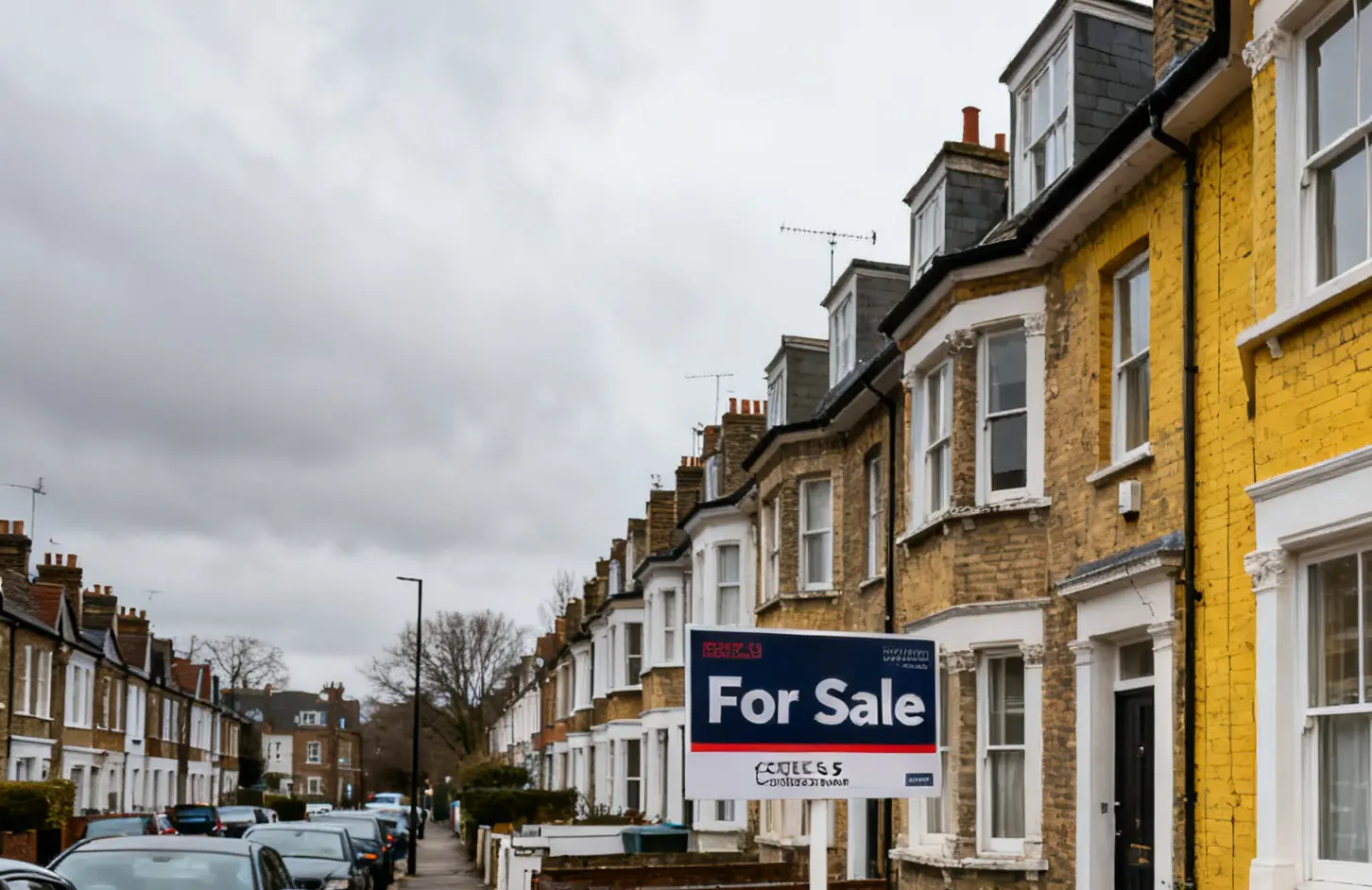
The Housing, Communities and Local Government Committee's demand for comprehensive stamp duty reform by 2026 represents more than parliamentary posturing - it signals growing recognition that the current tax structure is actively strangling property market activity. With stamp duty receipts falling 6% year-on-year despite persistent house price growth, the committee's intervention comes at a critical juncture where transaction volumes across England have plummeted to levels last seen during the 2008 financial crisis. For property investors, this parliamentary pressure creates the realistic prospect of the most significant transaction tax reform in a generation.
The economic arithmetic driving this intervention is stark. Stamp duty's cliff-edge structure, where rates jump from 5% to 10% at £925,000, has created profound market distortions that extend far beyond London's prime postcodes. In Manchester and Birmingham, properties approaching the higher rate thresholds now sit unsold for months longer than comparable properties priced safely below these bands. Leeds and Liverpool have witnessed similar patterns, with developers increasingly pricing new developments just below key thresholds - a practice that artificially constrains housing supply and distorts natural price discovery mechanisms.
For buy-to-let investors, the current system's 3% additional rate surcharge has proven particularly punitive, contributing to the sector's retreat from smaller properties where yields can no longer absorb the additional tax burden. Portfolio landlords report that stamp duty costs now represent 15-18 months of rental income on typical investment properties, fundamentally altering acquisition strategies. This shift has concentrated investor demand into higher-value properties where yields can better absorb transaction costs, inadvertently pushing first-time buyers and smaller investors out of entire market segments.
The committee's focus on homeownership barriers reflects deeper structural challenges that stamp duty exacerbates rather than creates. Analysis of transaction data reveals that properties in the £300,000-£500,000 range - critical for first-time buyers in most regional cities outside London - now change hands 23% less frequently than before the current rate structure was implemented. Newcastle and surrounding areas, traditionally seen as accessible for new buyers, have experienced particularly sharp transaction volume declines as even modest family homes breach thresholds that trigger meaningful stamp duty liabilities.
Regional commercial property markets face parallel constraints, with stamp duty's impact on investment yields creating dead zones for smaller commercial transactions. Surrey's office market, traditionally attractive to institutional investors seeking stable rental income, has seen transaction volumes in the £2-5 million range collapse as stamp duty costs push total acquisition expenses beyond acceptable yield parameters. This contraction has knock-on effects for development finance, as developers struggle to demonstrate exit liquidity to funders.
The pathway toward reform will likely involve either a shift to proportional rates - eliminating cliff edges - or potentially more radical changes such as moving stamp duty liability from buyers to sellers, as the committee has previously suggested. Either approach would fundamentally reshape transaction dynamics, potentially unleashing pent-up demand that has been suppressed by the current tax structure. Early modelling suggests that proportional rates could increase transaction volumes by 15-20% within 12 months of implementation, creating significant opportunities for nimble investors positioned to capitalise on increased market liquidity.
The committee's 2026 deadline creates genuine political pressure for action, particularly given the current government's stated commitment to increasing homeownership rates. With stamp duty receipts declining despite ongoing house price growth, the Treasury faces diminishing returns from a tax that increasingly constrains economic activity. Property investors should anticipate meaningful reform within the next 24 months, with the most likely outcome being a shift toward proportional taxation that eliminates the market-distorting effects of current cliff-edge thresholds while maintaining overall revenue neutrality for the Exchequer.
Key Takeaways
- Stamp duty reform by 2026 appears increasingly likely given cross-party support and declining transaction volumes affecting Treasury receipts
- Current cliff-edge rate structure has reduced transaction frequency by over 20% in key price bands, creating opportunities for investors who can navigate the current system
- Buy-to-let investors should prepare for potential elimination of the 3% surcharge as part of broader reforms aimed at increasing market liquidity
- Regional markets outside London will benefit disproportionately from reform, making Manchester, Birmingham and Leeds particularly attractive for pre-reform positioning



