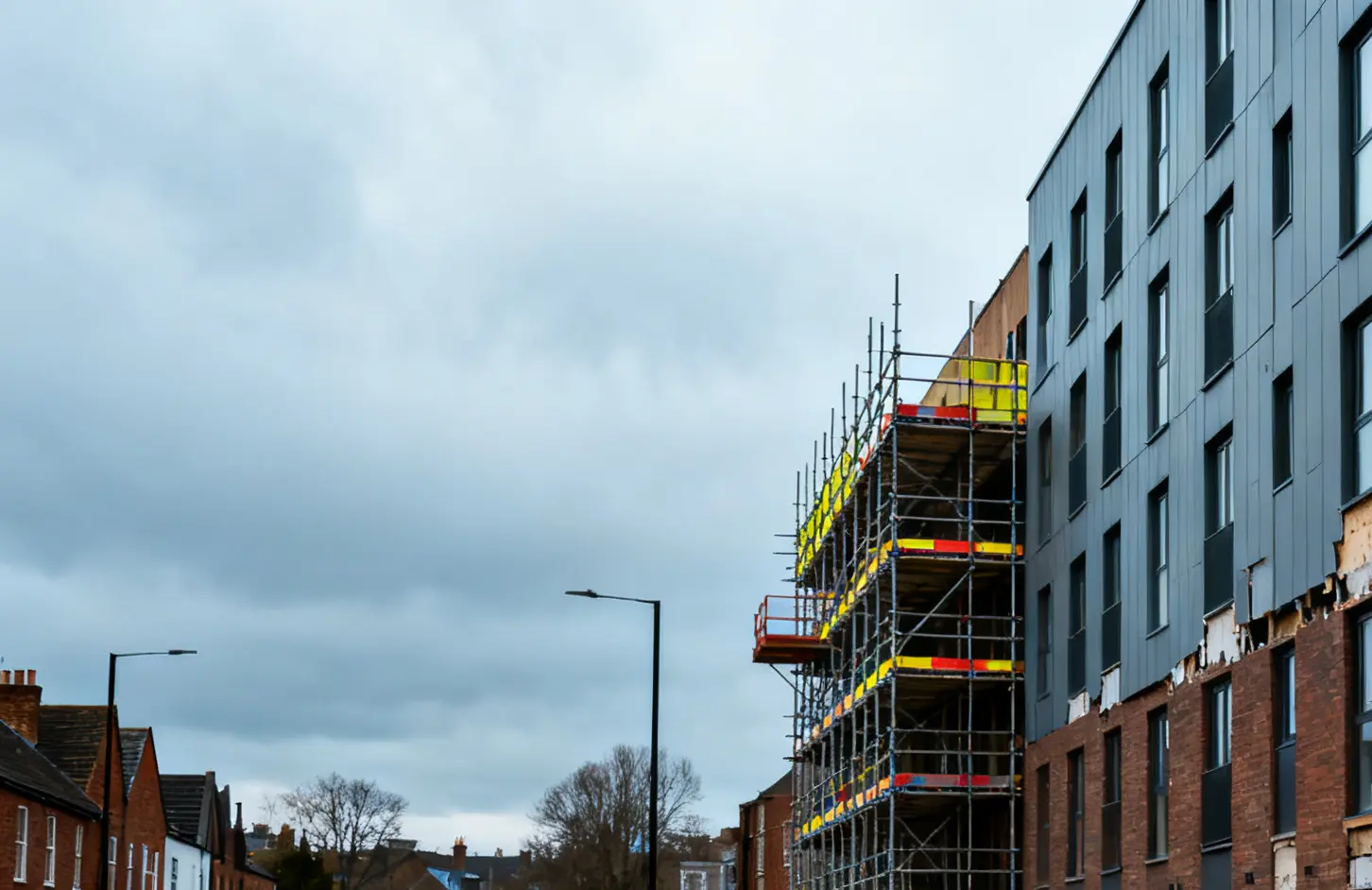
The government's sweeping building safety reforms represent the most significant regulatory overhaul of the construction sector in a generation, creating immediate compliance challenges for developers whilst potentially unlocking billions in residential property value currently trapped by cladding defects. The measures, which include comprehensive restrictions on firms connected to the Grenfell tragedy and fundamental changes to building control oversight, will reshape how residential developments are conceived, financed, and delivered across England's major metropolitan markets.
The financial implications for the property sector are substantial. Industry estimates suggest the accelerated Remediation Bill could unlock approximately £15 billion in residential property value currently rendered unsaleable due to cladding defects. Buildings affected by External Wall System issues have seen transaction volumes collapse by up to 85% in some areas, with particular concentrations in Manchester's high-rise developments around Salford Quays, Birmingham's Jewellery Quarter regeneration zones, and Leeds' South Bank district. The government's commitment to expedite remediation timelines from the current average of 4-6 years to 18-24 months will provide critical liquidity relief to thousands of leaseholders trapped in unmortgageable properties.
For buy-to-let investors, the reforms create both opportunities and compliance burdens. Properties currently trading at 30-40% discounts to market value due to cladding concerns will see rapid price recovery as remediation accelerates, particularly benefiting investors with sufficient capital reserves to navigate the interim period. However, the enhanced building control regime introduces new due diligence requirements that will extend development timescales by an estimated 3-6 months and increase construction costs by 8-12%. This cost inflation will be most acutely felt in London's prime development corridors and Surrey's commuter belt, where profit margins are already compressed by elevated land values.
The restrictions on Grenfell-implicated companies will force a fundamental restructuring of the UK's construction supply chain. Major contractors and material suppliers identified in the ongoing inquiry face potential exclusion from public sector projects and increased scrutiny in private developments. This regulatory tightening will consolidate market share among compliant operators, potentially driving up construction costs by 15-20% in the short term whilst improving long-term build quality standards. Regional markets with limited contractor diversity, particularly in the North East around Newcastle and the broader Liverpool city region, face acute capacity constraints as the approved supplier base contracts.
Commercial property investors must prepare for cascading effects across office and mixed-use developments. Enhanced fire safety requirements will trigger mandatory upgrades across thousands of commercial buildings, creating a parallel remediation market worth an estimated £8-10 billion. This regulatory burden will disproportionately impact secondary commercial assets in Birmingham's business district and Manchester's emerging tech corridors, where older stock requires comprehensive safety overhauls to maintain institutional investment appeal.
The timing of these reforms coincides with a critical inflection point in UK residential development patterns. Housing delivery targets of 300,000 units annually become significantly more challenging under the enhanced regulatory framework, potentially constraining supply in high-demand markets including London's outer boroughs and the Cambridge-Oxford growth corridor. First-time buyers will benefit from improved build quality and safety standards, but face extended purchase timelines and potentially higher property prices as compliance costs filter through to end values.
These building safety reforms will prove transformative for the UK property sector, establishing a new regulatory baseline that prioritises safety over speed of delivery. The short-term disruption to development pipelines and construction capacity will give way to a more robust, professionally regulated industry structure. Property investors positioning themselves ahead of this transition, particularly those with expertise in navigating complex remediation projects, will capture significant value as the £23 billion combined residential and commercial safety upgrade programme unfolds over the next five years.
Key Takeaways
- £15 billion in residential property value will be unlocked as accelerated cladding remediation reduces timelines from 4-6 years to 18-24 months
- Construction costs will rise 8-12% due to enhanced building control requirements, most impacting London and Surrey developments with compressed margins
- Buy-to-let investors face opportunities in discounted cladding-affected properties but must navigate 3-6 month extended development approval processes
- Commercial property faces £8-10 billion in mandatory safety upgrades, particularly impacting secondary assets in Birmingham and Manchester business districts



