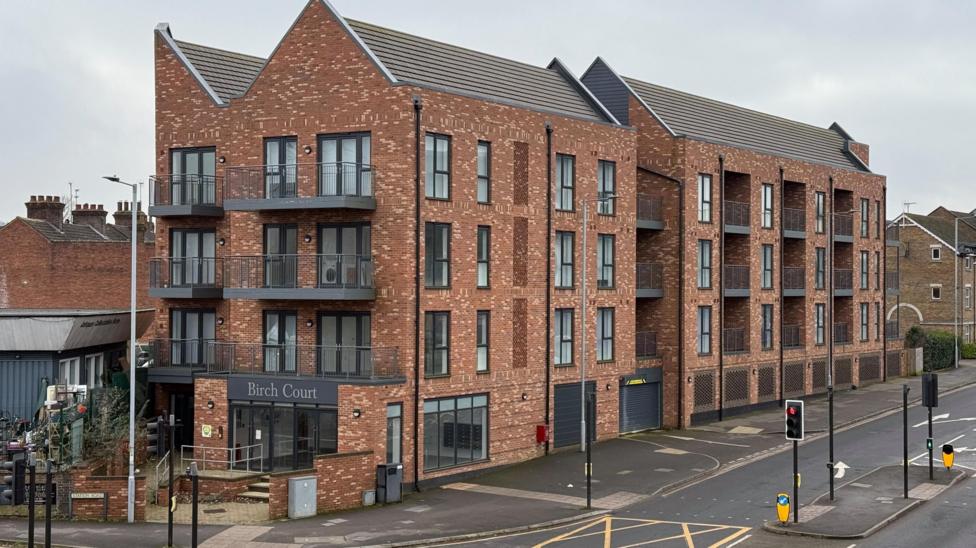
A block of 34 flats has stood empty for almost four years, with the local council confirming the building remains unsafe to occupy while an insurance claim drags on unresolved. What might once have been dismissed as a local administrative delay is, in fact, a stark illustration of a structural problem now affecting tens of thousands of homes across the UK: the collision between post-Grenfell safety remediation, an insurance market unwilling to underwrite risk, and a legal and financial system too slow to resolve either.
For property investors, this case is not an isolated curiosity — it is a warning sign. Since the Grenfell Tower fire in 2017, an estimated 3,000 to 4,500 residential buildings across England have been identified with dangerous cladding or other fire safety defects, according to government data, with the Building Safety Fund and Cladding Safety Scheme collectively earmarked at over £5.1 billion to fund remediation. Yet progress has been glacial: as of the latest official figures, fewer than half of identified buildings have completed remediation works, and disputes over liability — between developers, freeholders, insurers and local authorities — routinely add years to timelines. A four-year vacancy on 34 units is not an extreme outlier; it is close to becoming the median experience for buildings caught in this pipeline.
The financial arithmetic is brutal. Assuming an average rental value of £950 per month per flat — a conservative estimate for a mid-sized UK city — 34 empty units represent over £1.5 million in lost rental income across four years, before accounting for ongoing service charges, insurance premiums on an unoccupied and uninsurable building, security costs, and depreciation. For a housing association or local authority, this is a direct hit to already stretched balance sheets. For private leaseholders trapped within such blocks, the picture is worse still: many face negative equity, an inability to sell or remortgage, and continued liability for costs on a property generating zero income or utility.
Regionally, the exposure is uneven but widespread. London and Manchester, with their high concentration of post-2000 high-rise residential stock, account for a disproportionate share of identified unsafe buildings, but Birmingham, Leeds, Liverpool and Newcastle have all seen significant clusters emerge as cladding surveys have expanded beyond the tallest towers to buildings over 11 metres. Surrey's more suburban, lower-rise stock has been comparatively insulated, but even there, EWS1 form requirements have periodically frozen mortgage lending on affected flats, illustrating how the crisis reaches well beyond city-centre tower blocks into everyday suburban leasehold markets.
The insurance dimension deserves particular scrutiny. Since 2021, buildings insurance premiums on blocks with known safety defects have in some cases risen by 400% or more, when cover can be secured at all. A pending claim of the kind described here — effectively holding an entire building hostage to a settlement negotiation — reflects an insurance market that has become acutely risk-averse toward multi-occupancy residential stock with any historic defect flag. For commercial investors and portfolio landlords, this should reinforce a now-essential due diligence discipline: no acquisition of post-1990s multi-storey residential stock should proceed without full sight of building safety certification, insurance history, and any live claims or disputes attached to the freehold.
Looking ahead 6 to 12 months, expect continued pressure on the Building Safety Regulator and insurers from both government and industry bodies to accelerate resolution mechanisms, particularly as the Building Safety Act's leaseholder protections mature and developers face growing contractual and reputational exposure for delays. However, genuine acceleration is unlikely without either regulatory intervention capping insurance premium increases on remediated buildings or a dedicated fast-track arbitration scheme for stalled claims — neither of which currently exists in workable form. First-time buyers should treat any flat in a building over 11 metres with heightened caution regardless of reassurances at point of sale; buy-to-let landlords holding such stock should budget for continued illiquidity rather than assume near-term resolution; and developers should recognise that reputational and financial liability for legacy defects is lengthening, not shortening, as cases like this one demonstrate the real-world duration of unresolved claims.
The broader lesson for the market is unambiguous: building safety risk has become a structural feature of UK residential property, not a transitional post-Grenfell anomaly. Four years of vacancy on a single block should concentrate minds across the investment community — this is what illiquidity actually looks like when regulatory, insurance and legal systems fail to move in step, and it is a risk that current pricing in the leasehold flat market still does not fully reflect.