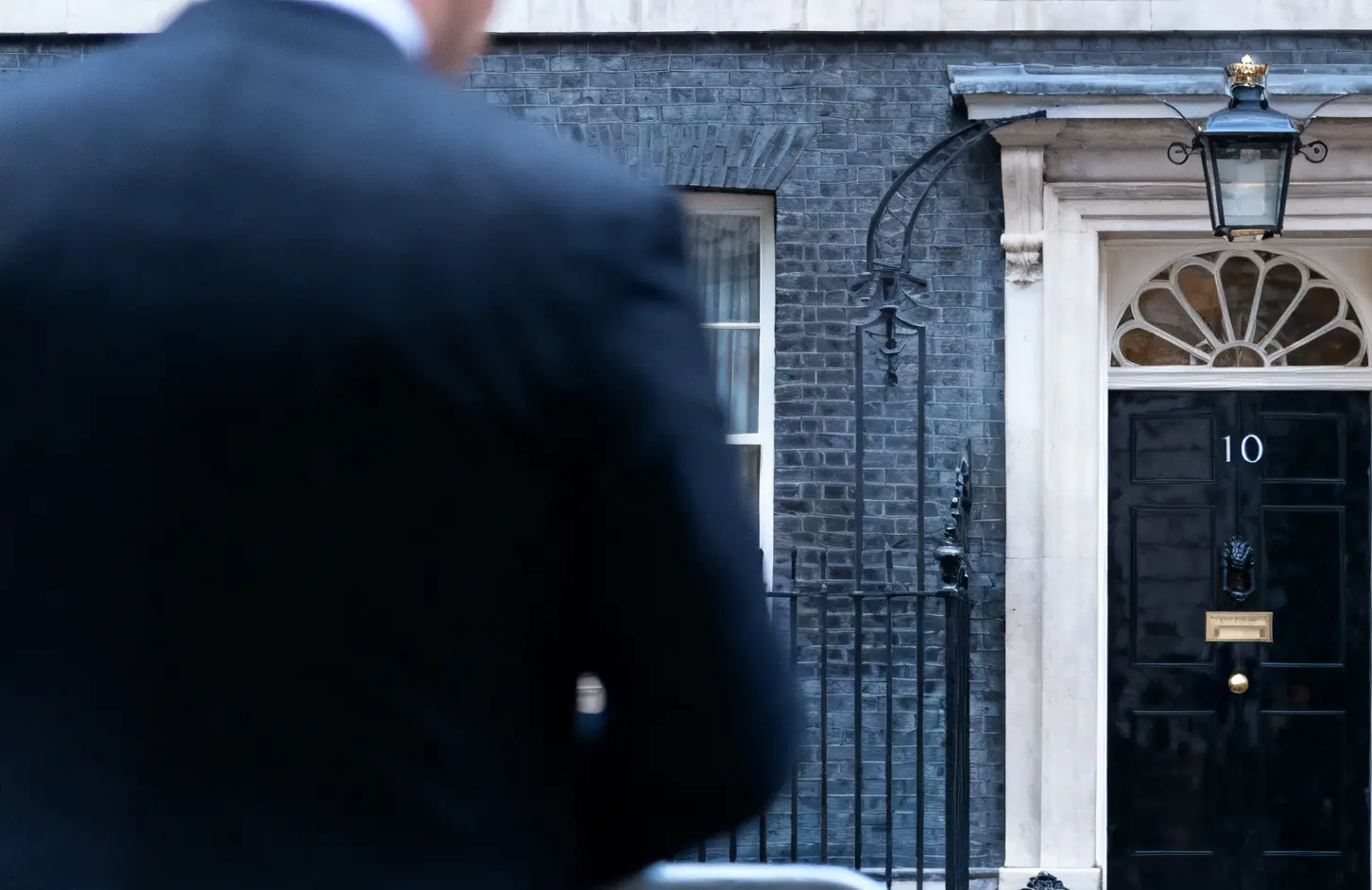
Prime Minister Andy Burnham has moved decisively to shut down speculation that Stamp Duty Land Tax would be overhauled in the forthcoming Budget, confirming there will be no changes to the current regime. The announcement comes after weekend reports suggested the levy was under active Treasury review, prompting concern within Number 10 that continued uncertainty risked freezing transactions across the housing market at a particularly sensitive moment for the economy.
For an industry that has spent the best part of two years navigating higher mortgage rates, tightened affordability tests and sluggish completions, this intervention matters far more than a routine policy clarification. Stamp Duty speculation has historically proven one of the most potent inhibitors of housing market activity in Britain, arguably more damaging in the short term than the tax itself. When buyers and sellers believe thresholds might shift within weeks, transactions simply pause. Estate agents will recall the chaos of late 2022 and the scramble ahead of the March 2025 threshold reversion, when transaction volumes swung by more than 20% month-on-month as buyers rushed to beat deadlines. Removing that overhang now, rather than allowing rumour to fester into November, should restore a measure of confidence to a market that has been trading cautiously since the summer.
The regional implications are significant. In London and the South East, where average transaction values mean Stamp Duty liabilities can run into tens of thousands of pounds, even modest threshold adjustments can materially alter buyer behaviour. Surrey's prime commuter belt, where average house prices sit comfortably above £550,000, would have been particularly exposed to any tightening of higher-rate bands. By contrast, in Manchester, Leeds, Liverpool and Newcastle, where average prices remain well below the £250,000 nil-rate threshold for many first-time buyers, the direct fiscal impact of reform would have been smaller, but the confidence effect would have been just as corrosive. Northern agents report that even the suggestion of policy tinkering tends to delay decision-making among second-steppers and buy-to-let investors alike, regardless of whether their specific price band was ever at risk.
Buy-to-let landlords, who already absorbed a 3% surcharge on additional properties introduced under the previous framework, will read this confirmation with some relief. Many had paused acquisition plans pending clarity, wary of committing capital only to see the tax base shift beneath them. With that risk now off the table for this Budget cycle, expect a modest uptick in portfolio landlords re-entering the market in Manchester and Birmingham, where rental yields of 6-7% continue to outperform the London average of around 4.5%. First-time buyers, meanwhile, gain the psychological benefit of a stable rulebook, even if the underlying affordability challenge - still acute given mortgage rates hovering around 4.5-5% for typical five-year fixes - remains unchanged.
Commercial investors and developers should also take note. Housebuilders have consistently cited policy unpredictability as a drag on land acquisition decisions, and any Stamp Duty uncertainty tends to ripple into new-build reservation rates, since buyers of off-plan property are especially sensitive to tax changes that might materialise before completion. Developers active in regeneration zones across Liverpool's Baltic Triangle or Birmingham's Digbeth will welcome the removal of this variable, allowing sales teams to price and market schemes with greater confidence heading into the new year.
Looking ahead six to twelve months, this confirmation should translate into a steadier, if unspectacular, market. Transaction volumes are likely to normalise rather than spike, since there is no artificial deadline to rush toward, and pricing should firm modestly in regional cities where demand-supply imbalances remain most acute. The bigger risk now shifts to other Budget measures - council tax reform, capital gains adjustments, or changes to inheritance tax reliefs on property - any of which could reintroduce the very uncertainty this announcement was designed to eliminate. Investors would be wise to treat this as a temporary reprieve rather than a permanent settlement, and to watch the full Budget detail closely for adjacent measures that could still reshape returns.
Key Takeaways
- Stamp Duty will remain unchanged in the upcoming Budget, ending weeks of market-freezing speculation.
- Regional markets in Manchester, Leeds and Liverpool were less exposed to direct fiscal impact but equally vulnerable to confidence-driven delays.
- Buy-to-let landlords and developers should expect renewed transaction activity now that policy risk has been removed for this cycle.
- Investors should watch for other Budget measures - capital gains, council tax or inheritance reforms - that could reintroduce uncertainty.


