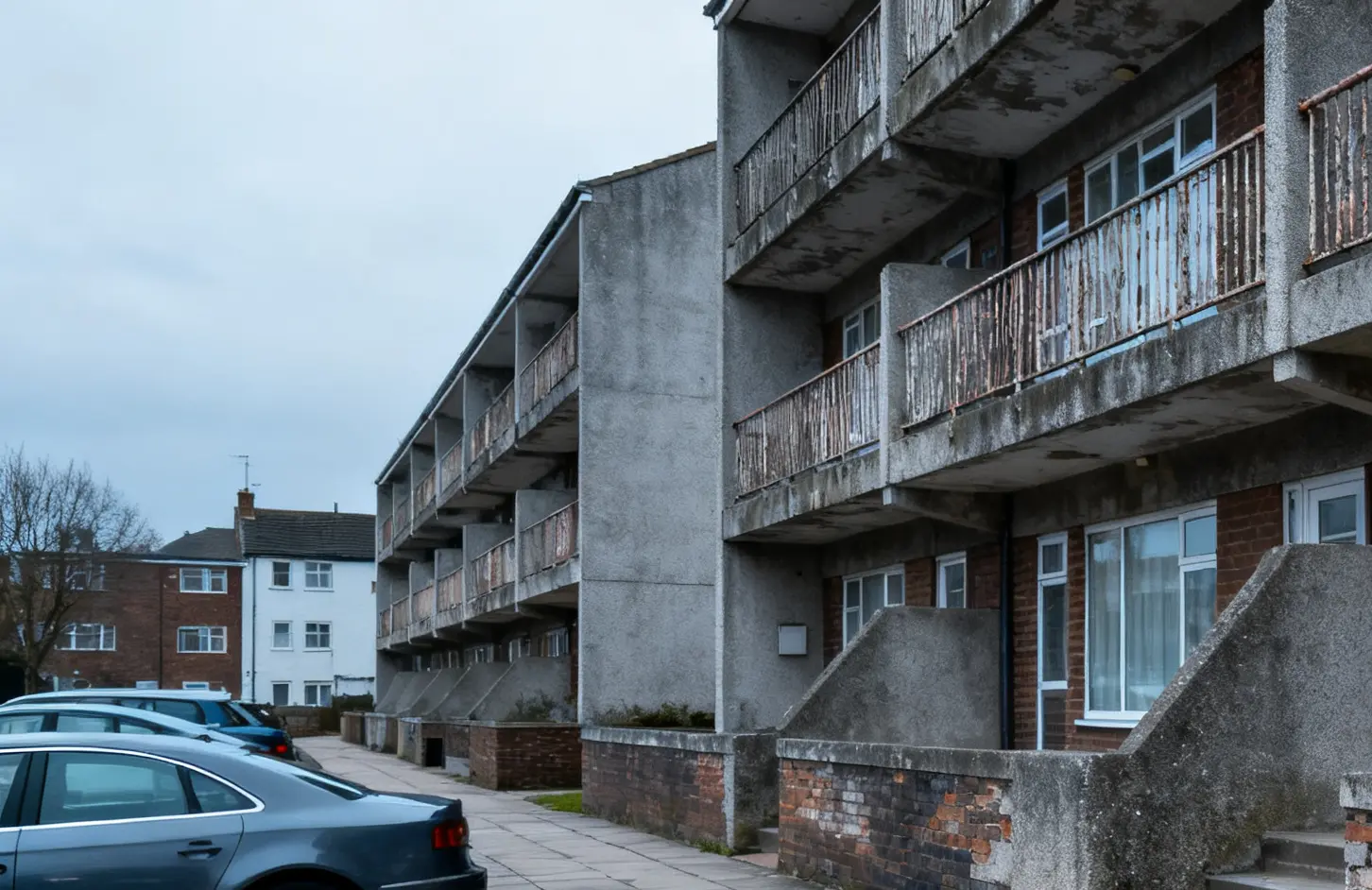
Birmingham City Council has begun cross-referencing its social housing tenancy records against live Airbnb listings, the first tangible sign of a national data-sharing agreement struck between the Cabinet Office and the short-let platform designed to root out illegal subletting of social housing stock. The initiative marks a significant escalation in how local authorities are using commercially held data to police tenancy fraud, moving beyond tip-offs and spot checks towards systematic, technology-driven verification.
The scale of the problem this targets is not trivial. Estimates from the Cabinet Office's Public Sector Fraud Authority have previously suggested that social housing fraud, including unlawful subletting, illegal succession and tenancy assignment, costs the public purse several hundred million pounds annually, with some studies putting the figure at over £500 million a year across England when lost rental income and enforcement costs are combined. For a city like Birmingham, which manages more than 60,000 council-owned homes and faces one of the most acute social housing waiting lists in the country, running to over 20,000 households, recovering even a small fraction of misused properties could materially ease pressure on allocations.
For UK property investors and landlords, this development matters for reasons beyond the immediate fraud narrative. It signals a broader shift in how data partnerships between government and private platforms will be used to enforce housing compliance, a trend likely to extend well beyond social housing into the private rented sector. Landlords operating short-let properties through Airbnb, particularly in cities with strict licensing regimes such as London, Liverpool and Manchester, should expect increased scrutiny of leasehold and mortgage conditions that prohibit short-term letting, not just tenancy fraud in the social sector. Local authorities emboldened by this Birmingham pilot may seek similar data access to enforce Article 4 directions, selective licensing schemes and mortgage-related subletting restrictions.
The regional implications are uneven. Birmingham's housing stress mirrors that of other major regional cities, Leeds and Newcastle among them, where council waiting lists have grown by double digits over the past three years amid constrained new-build delivery and rising demand from those priced out of private renting. Recovering fraudulently sublet social homes in these markets could modestly improve turnover, but the numbers involved, likely low hundreds per city at most, will not shift overall housing supply dynamics. London presents a different picture: with its far larger stock of social housing and historically higher rates of subletting fraud linked to lucrative short-let arbitrage in boroughs such as Westminster and Kensington & Chelsea, the financial incentive for tenants to sublet illegally is considerably higher, meaning enforcement here could yield more meaningful recoveries.
Looking ahead six to twelve months, expect other major local authorities, likely including Manchester, Liverpool and several London boroughs, to adopt similar Airbnb data-matching protocols, particularly as the Cabinet Office pushes this as a template for cost-neutral fraud recovery. For commercial investors and developers involved in build-to-rent or affordable housing partnerships, this reinforces a policy direction favouring tighter compliance infrastructure across all tenures, not just social housing. Buy-to-let landlords should treat this as an early warning that platforms like Airbnb are increasingly willing counterparties to state data requests, and that any subletting arrangements inconsistent with lease terms, mortgage covenants or local licensing rules carry rising discovery risk.
The strategic upshot is that this initiative, while narrow in immediate financial impact, represents a meaningful precedent: government is now willing to use private platform data at scale to enforce housing compliance, and Airbnb's cooperation suggests platforms see reputational and regulatory benefit in compliance rather than resistance. Investors should read this not as an isolated Birmingham story but as the opening move in a wider enforcement architecture that will increasingly touch private rented and short-let markets across the UK's major cities.
Key Takeaways
- Birmingham is piloting Airbnb data-matching against social housing records under a national Cabinet Office agreement, targeting illegal subletting.
- Social housing fraud, including subletting, is estimated to cost England over £500 million annually, giving councils strong financial incentive to expand this approach.
- Expect similar data-sharing schemes to roll out in Manchester, Liverpool, Newcastle and London boroughs within the next 6-12 months.
- Private landlords and BTL investors should reassess short-let arrangements against lease and mortgage terms, as platform-government data cooperation signals rising enforcement risk across all rental tenures.


