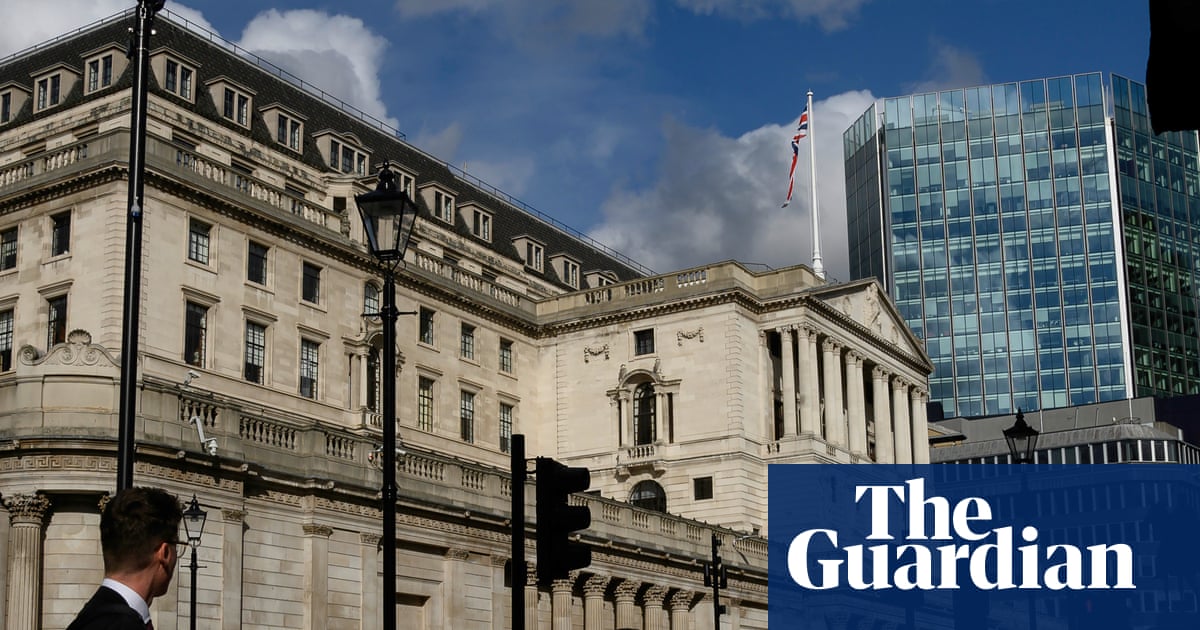
The Bank of England's chief economist, Huw Pill, has signalled that interest rates will probably rise again next month and once more in early 2027, as policymakers continue their battle against rising inflation. Speaking after the Bank's decision earlier this month to lift the base rate from 3.75% to 4%, Pill described the move as a "significant step" but cautioned that "we have further to go". For a property market that has spent the past two years recalibrating around the idea that the rate cycle had peaked, this is an unwelcome recalibration in itself.
The timing matters enormously. As the Guardian reported, an estimated 2.3 million homeowners will need to refinance their mortgages next year, many of them coming off fixed-rate deals secured when borrowing costs were markedly lower. A further tightening of the base rate, layered on top of the move to 4%, would push up monthly repayments for a cohort of borrowers who had little room to plan for additional increases. For UK property investors and landlords, this is not an abstract macroeconomic data point. It is a direct signal that the cost of capital across the residential market is not done rising, and that affordability pressures which have shaped buyer behaviour since 2022 are set to persist well into 2027.
Regionally, the impact will not be uniform. In London and Surrey, where average loan sizes are larger, even modest increases in the base rate translate into substantial additional monthly outgoings, squeezing an already stretched first-time buyer cohort and testing the resolve of landlords weighing up whether rental yields still justify leveraged ownership. In Manchester, Birmingham, Leeds, Liverpool and Newcastle, where price-to-income ratios are generally lower, the relative shock may be less acute, but the volume of remortgaging activity among existing homeowners means the regional rental markets in these cities should expect continued upward pressure on asking rents as landlords pass through higher financing costs, and as some owner-occupiers facing unaffordable repayments reluctantly return to renting.
For buy-to-let landlords specifically, Pill's comments reinforce a pattern that has now persisted through multiple rate cycles: financing costs are proving stickier than many in the sector hoped. Those landlords who have not yet remortgaged, or who are approaching the end of fixed terms, should treat this as a clear signal to stress-test their portfolios against a further rise in the base rate rather than assume rates have plateaued. First-time buyers, meanwhile, face a narrowing window in which to lock in current mortgage pricing before further increases filter through to lender offers. Those who can act decisively in the coming weeks, ahead of any further Bank move, may secure more favourable terms than will be available in the new year.
Commercial property investors and developers should also take note. Higher base rates feed directly into the cost of development finance, and a prolonged tightening cycle makes it harder to underwrite new schemes at viable margins, particularly in build-to-rent and speculative commercial development where financing costs are a larger share of overall project economics. Developers with schemes already in the pipeline but not yet fully financed may find themselves revisiting appraisals, and some marginal projects across regional cities could be delayed or shelved altogether if borrowing costs climb further than currently priced into lenders' models.
Looking ahead to the next six to twelve months, PropertyNews analysis suggests the property market should prepare for a more prolonged period of elevated borrowing costs than many participants had priced in during the summer. The scale of the remortgaging wave due in 2027, some 2.3 million households by the Guardian's reporting, means that any further rate rises will have an outsized and delayed effect on household finances, filtering through gradually rather than all at once. This suggests transaction volumes across the housing market are likely to remain subdued relative to pre-2022 norms, with buyers and sellers alike adopting a cautious, wait-and-see posture until the rate trajectory becomes clearer. Landlords and investors with strong balance sheets and lower loan-to-value ratios are best placed to weather this environment, while highly leveraged portfolios face a genuinely testing period.
The clearest conclusion for market participants is that the assumption of imminent rate relief, which underpinned much of the cautious optimism in the property sector through 2025, now looks premature. Pill's language, choosing to describe the move to 4% as merely a step rather than a destination, indicates the Bank's own view that inflation has not yet been sufficiently tamed. Investors, landlords and developers who plan their next twelve months around a higher-for-longer rate environment, rather than betting on an early reversal, will be better positioned than those caught out by a further tightening they did not anticipate.
Key Takeaways
- The Bank of England's chief economist Huw Pill has signalled further interest rate rises are likely next month and in early 2027, following the move to 4%.
- An estimated 2.3 million homeowners face remortgaging in 2027, meaning further rate rises will have a delayed but significant effect on household finances, as the Guardian reported.
- Buy-to-let landlords should stress-test portfolios against further rate increases rather than assume the cycle has peaked, particularly those approaching the end of fixed-rate deals.
- First-time buyers may benefit from securing mortgage offers before any further Bank move, while developers reliant on debt-financed schemes should reassess project viability under a higher-for-longer rate scenario.

