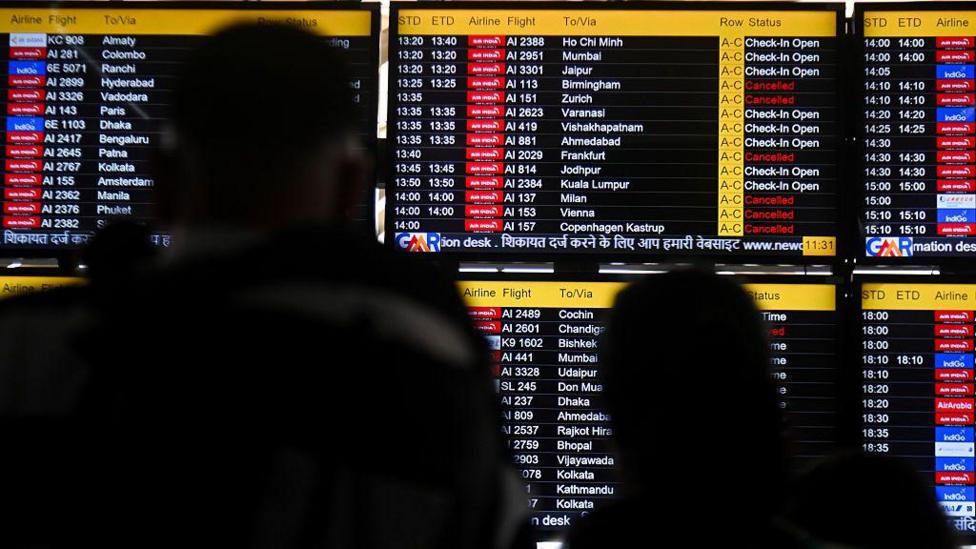
The aviation industry's ongoing operational crisis is sending shockwaves through the UK's holiday let market, with property investors who pivoted to short-term rentals during the pandemic now confronting a perfect storm of cancelled flights and plummeting booking confidence. Industry data suggests that flight disruptions affecting over 2 million passengers this summer could trigger cancellations worth £2 billion across the serviced accommodation sector, marking the most significant threat to the holiday let boom since COVID-19 restrictions ended.
The immediate impact varies dramatically across regional markets, with coastal and tourist-dependent areas bearing the brunt of the disruption. Edinburgh's short-term rental operators, who typically see 40% of their annual revenue during the Festival period, report booking cancellations running at 25% above normal levels as international visitors struggle with flight uncertainty. Similarly, Cornwall's holiday let market - where average weekly rates hit £1,200 this summer - faces a cascading effect as European tourists, representing 30% of bookings, delay or abandon travel plans entirely. Manchester and Liverpool, heavily reliant on business travel and weekend breaks, show early signs of corporate booking postponements extending well into autumn.
The financial mechanics of flight compensation rights create an additional layer of complexity for property investors operating in the short-term rental space. Under EU261 regulations, passengers can claim up to €600 for cancelled flights, but this compensation often takes months to materialise whilst holiday accommodation cancellations demand immediate refunds. This timing mismatch leaves holiday let operators - many of whom are highly leveraged buy-to-let investors - facing severe cash flow pressures. Properties in prime London locations, where nightly rates exceed £300, experience particularly acute exposure given the higher deposit values and international guest dependency.
The crisis arrives at a critical juncture for the sector, which expanded rapidly as traditional buy-to-let returns compressed under regulatory pressure and tax changes. Data from short-term rental analytics firm AirDNA indicates that UK holiday let supply increased by 35% between 2020 and 2022, with many investors attracted by gross yields of 8-12% compared to long-term rental returns of 4-6%. Birmingham and Leeds witnessed particularly aggressive expansion, with Airbnb listings growing by 60% and 45% respectively as investors targeted business travel recovery and staycation demand.
The operational challenges extend beyond immediate cancellations to broader market confidence. Insurance providers are already tightening terms for holiday let policies, with some introducing specific exclusions for aviation-related cancellations. Mortgage lenders, increasingly cautious about short-term rental income verification, may use the current disruption to justify stricter lending criteria for holiday let purchases. This represents a significant shift for investors who leveraged historically low interest rates to build substantial short-term rental portfolios, particularly in secondary cities where property prices remained relatively accessible.
The development pipeline for purpose-built serviced apartments faces equally challenging headwinds. Major projects in Newcastle and Surrey, designed specifically for the extended-stay market, must now recalibrate demand projections as business travel patterns remain volatile. The institutional capital that flowed into the sector - including the £500 million committed by Legal & General to serviced accommodation development - requires urgent reassessment of risk models that failed to account for sustained aviation industry instability.
The aviation crisis will accelerate a fundamental restructuring of the UK's short-term rental market, separating resilient operators with diversified customer bases from over-leveraged investors dependent on international tourism. Properties with strong domestic leisure appeal will weather the storm, whilst those targeting business travellers and overseas visitors face an extended period of subdued performance. Smart investors will use this correction to acquire distressed assets at significant discounts, positioning themselves for the eventual recovery whilst weaker players exit the market entirely.
Key Takeaways
- Holiday let operators face £2bn in potential losses as flight cancellations trigger mass booking cancellations across tourist-dependent regions
- Cash flow pressures intensify as EU compensation delays contrast with immediate accommodation refund demands, particularly affecting leveraged investors
- Insurance providers tighten holiday let policies whilst mortgage lenders reassess income verification criteria for short-term rental investments
- Market consolidation accelerates as resilient domestic leisure properties outperform international tourism-dependent assets, creating acquisition opportunities for well-capitalised investors


