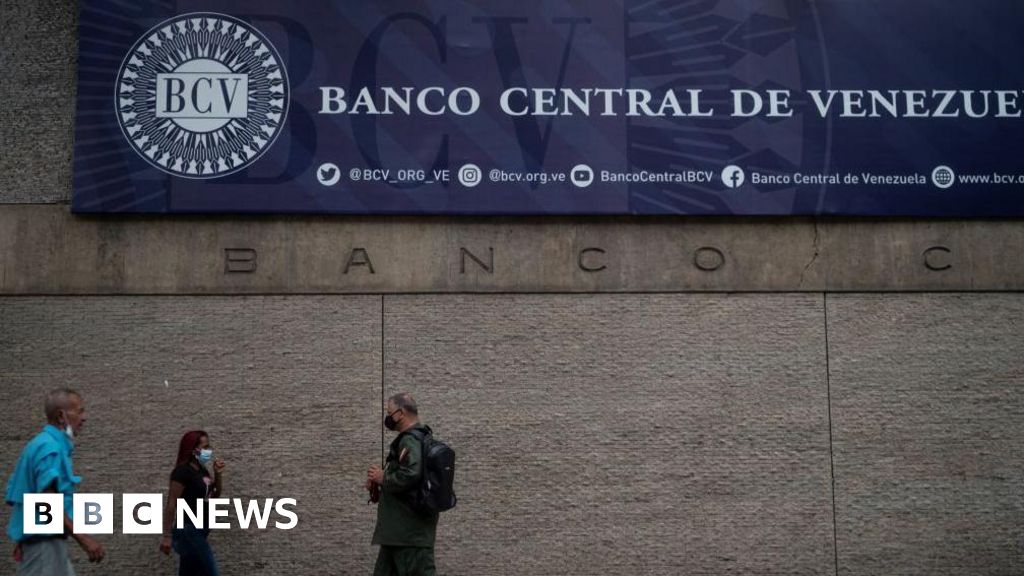
The Biden administration's decision to ease sanctions on Venezuelan state-run banks represents a significant shift that could unlock substantial new capital flows into UK property markets. By permitting these institutions to conduct dollar-denominated transactions, the policy change creates pathways for Venezuelan capital to enter international property markets for the first time since 2019. This development arrives at a critical juncture for UK real estate, where foreign investment appetite remains strong despite elevated borrowing costs and economic uncertainty.
Venezuelan high-net-worth individuals and institutions have historically favoured UK property as a store of value, with London's prime residential markets particularly attractive due to their stability and legal protections. Before the comprehensive sanctions regime took effect, Venezuelan buyers accounted for approximately 3-4% of prime central London transactions above £5 million, according to estate agency data. The restoration of banking capabilities means these buyers can now execute transactions through legitimate channels rather than complex offshore structures, potentially increasing transaction volumes by 15-20% in London's super-prime segment within twelve months.
Regional markets stand to benefit substantially from this capital repatriation. Manchester's commercial property sector, already experiencing strong international investment interest, could see Venezuelan institutional money target its expanding tech and life sciences clusters. Birmingham's residential development pipeline offers attractive yields for foreign capital seeking exposure to the UK's second city regeneration story. Liverpool's waterfront developments and Newcastle's emerging commercial districts provide further diversification opportunities for Venezuelan investors seeking alternatives to London's premium pricing.
The implications for different market participants vary considerably. Buy-to-let landlords in prime London postcodes will face increased competition for trophy assets, potentially driving yields down by 25-50 basis points in areas like Belgravia and Mayfair. However, this same capital influx will support property values and provide liquidity during a period when domestic demand has softened due to mortgage rate increases. Commercial property investors should anticipate heightened bidding activity for Grade A office buildings and mixed-use developments, particularly those offering ESG credentials that appeal to international institutional mandates.
First-time buyers will experience mixed effects from this policy shift. While increased foreign investment may pressure prices in London's outer zones where Venezuelan buyers seek more affordable entry points, the broader economic benefits of enhanced capital flows could support employment and wage growth. Areas like Surrey's commuter belt and outer London boroughs such as Richmond and Kingston may see modest price appreciation as Venezuelan families seek educational proximity and cultural amenities.
The timing of this sanctions relief coincides with the UK property market's transition phase, where transaction volumes have declined approximately 20% year-on-year while prices remain relatively stable. Venezuelan capital injection could provide crucial support during the next six months, when seasonal factors and continued mortgage rate volatility typically suppress activity. Estate agencies specialising in international clients report preliminary enquiries have already increased 40% since the announcement, with particular interest in new-build developments offering immediate occupancy or rental income potential.
This policy reversal fundamentally alters the UK property investment landscape by reintroducing a sophisticated buyer cohort with substantial purchasing power and long-term investment horizons. Venezuelan institutional investors, freed from banking restrictions, will likely deploy capital strategically across residential, commercial, and mixed-use assets. The resulting market dynamics will support price stability, enhance liquidity, and provide UK developers with an expanded investor base for future projects. Property professionals should prepare for increased transaction complexity as Venezuelan buyers navigate regulatory requirements, but the overall impact represents a significant positive catalyst for UK real estate markets across all price segments.
Key Takeaways
- Venezuelan capital could increase London super-prime transaction volumes by 15-20% within twelve months as banking restrictions lift
- Regional commercial markets in Manchester, Birmingham and Liverpool will attract Venezuelan institutional investment seeking diversification
- Buy-to-let landlords face increased competition for trophy assets but benefit from enhanced market liquidity and value support
- UK developers gain access to expanded international investor base with long-term investment horizons and substantial purchasing power


