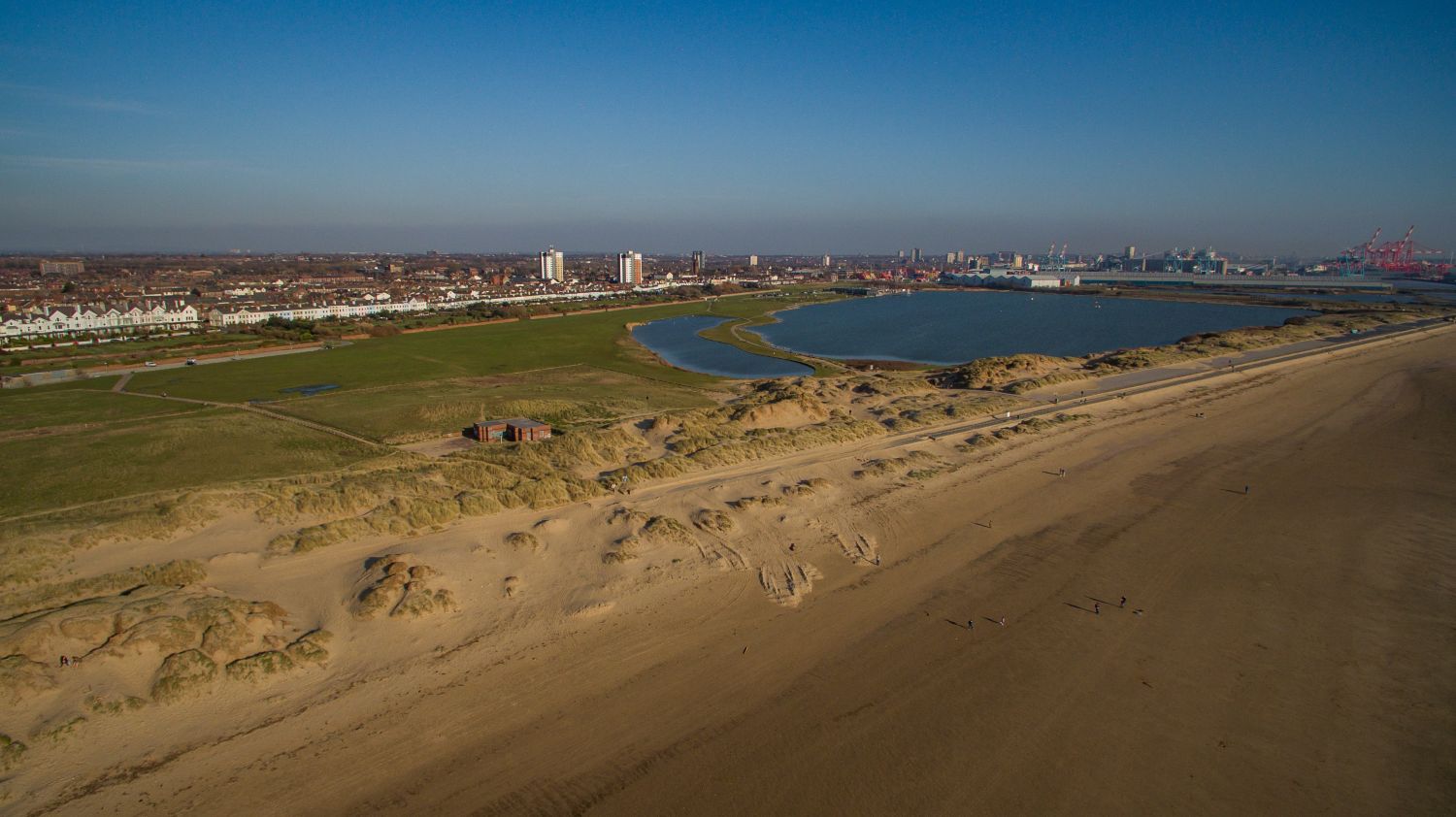
Coastal property markets are experiencing unprecedented price momentum, with seaside towns emerging as the standout performers in the UK's evolving housing landscape. Analysis of recent market data reveals that coastal locations are delivering superior capital growth compared to traditional investment hotspots, fundamentally altering the calculus for property investors who have historically focused on major metropolitan areas. This coastal renaissance represents more than a temporary pandemic-driven shift - it signals a structural realignment in British property investment patterns that sophisticated investors are already capitalising upon.
The financial mathematics driving this coastal surge are compelling. Where prime London property has struggled to achieve meaningful appreciation over the past 24 months, select seaside markets are recording double-digit annual growth rates. Towns along the South Coast, from Brighton's established premium market to emerging locations like Hastings and Margate, are witnessing price increases of 12-15% year-on-year. Similarly, Northern coastal markets including Whitby, Scarborough, and areas of the Lake District periphery are experiencing unprecedented demand from buyers seeking lifestyle-focused investments. This trend extends beyond holiday home purchases to encompass permanent relocations enabled by flexible working arrangements.
Regional investment implications vary dramatically across the country's coastal markets. In the South East, proximity to London continues to drive premium valuations, with commuter-accessible locations like Canterbury and Folkestone commanding institutional investor attention. The South West presents a different proposition, where Devon and Cornwall markets are attracting yield-focused investors targeting the short-term rental sector. Northern coastal markets offer the most compelling entry points for value investors, with places like Southport, Blackpool, and coastal Northumberland providing acquisition opportunities at price points that guarantee superior rental yields compared to saturated urban buy-to-let markets.
Professional landlords are recalibrating portfolios to capture this coastal opportunity, particularly as urban rental markets face regulatory headwinds and margin compression. The short-term rental sector in seaside locations is generating yields of 8-12% for well-positioned properties, significantly outperforming traditional buy-to-let investments in cities like Manchester or Birmingham, which typically yield 4-6%. However, this requires operational sophistication that many traditional landlords lack, creating opportunities for specialist coastal property investment funds and experienced holiday let operators to acquire assets from overwhelmed individual investors.
Development activity is responding to this demand surge, though planning constraints in many coastal Areas of Outstanding Natural Beauty limit new supply. This supply-demand imbalance will sustain price momentum through 2024, particularly in established markets like Bournemouth, Eastbourne, and the Cornish coast. Forward-thinking developers are pivoting towards coastal regeneration projects, with significant schemes underway in Great Yarmouth, Rhyl, and Morecambe that will create new investment inventory whilst benefiting from substantial public sector infrastructure investment.
The mortgage landscape for coastal property investment remains nuanced but increasingly favourable. Specialist lenders are developing products tailored to holiday let investors, recognising the sector's resilience and growth potential. Interest rates for coastal investment properties have converged with mainstream buy-to-let rates, eliminating the premium that previously deterred institutional involvement. This financing evolution will accelerate professional investor entry into coastal markets throughout 2024, potentially creating additional upward pressure on acquisition prices.
Market fundamentals suggest this coastal investment wave has substantial momentum remaining. Demographic shifts towards remote working, an ageing population seeking coastal retirement locations, and international buyer interest in British seaside property create multiple demand drivers that transcend cyclical market movements. Investors who position themselves in carefully selected coastal markets before this trend reaches institutional scale will capture the most significant capital appreciation potential. The evidence clearly indicates that coastal property investment has evolved from a lifestyle choice to a core wealth-building strategy for sophisticated UK property investors.
Key Takeaways
- Coastal markets are delivering 12-15% annual price growth, significantly outperforming traditional urban investment locations
- Short-term rental yields in seaside locations reach 8-12%, double the returns of standard buy-to-let properties in major cities
- Northern coastal markets offer the strongest entry opportunities for value investors seeking superior yield-to-price ratios
- Planning constraints in coastal areas will sustain supply shortages and support continued price momentum through 2024


