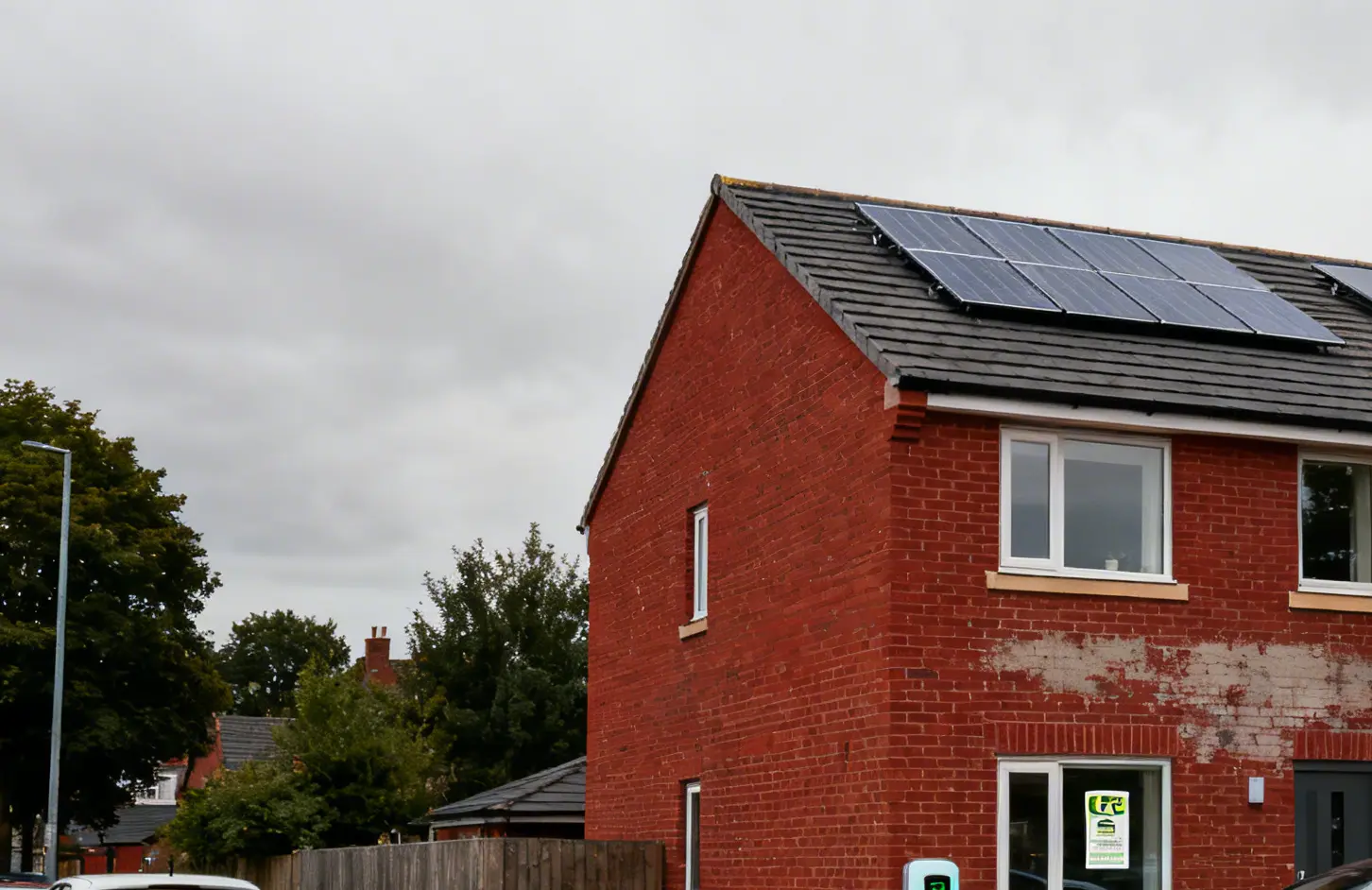
Property investors across Britain are fundamentally restructuring their acquisition criteria as energy efficiency regulations transform from regulatory afterthought to deal-breaking necessity. The shift represents the most significant recalibration of investment strategy since the Section 24 mortgage interest restrictions reshaped the buy-to-let landscape in 2017. Where location, yield, and capital growth potential once formed the trinity of property investment decisions, Energy Performance Certificate ratings now sit alongside these traditional metrics as a primary filter.
This transformation stems from the convergence of stricter Minimum Energy Efficiency Standards and tenant behaviour patterns that emerged post-2024. Properties rated below EPC C face increasingly severe letting restrictions, whilst tenants - particularly in the professional rental markets of Manchester, Leeds, and Birmingham - actively reject homes with poor energy credentials due to spiralling utility costs. Portfolio landlords report that properties rated D or below now experience void periods 40% longer than comparable C-rated units, whilst achieving rents 8-12% below market rate when they do secure tenants.
Regional markets are responding with markedly different trajectories. In Surrey and Greater London, where property values provide sufficient margin for retrofitting, investors are deploying capital for heat pump installations, solar panels, and comprehensive insulation upgrades. Conversely, northern markets including Liverpool and Newcastle present a more complex picture. Here, lower property values mean retrofit costs can represent 15-20% of a property's total value, forcing investors to choose between accepting regulatory risk or pursuing disposal strategies that are flooding the market with non-compliant stock.
The commercial implications extend beyond residential portfolios. Office buildings in secondary cities face particularly acute pressure as corporate tenants increasingly mandate ESG-compliant premises for their own regulatory compliance. Birmingham's commercial market exemplifies this trend, where pre-1990 office blocks without modern energy systems are experiencing rental discounts of 20-25% compared to newer, efficient alternatives. Developers are responding by prioritising sustainability credentials over traditional location advantages, with new schemes in Manchester and Leeds marketing EPC A ratings as prominently as transport links.
Buy-to-let investors are adapting through three distinct strategies. Sophisticated operators are acquiring properties with improvement potential, budgeting £8,000-£15,000 per unit for energy upgrades that secure long-term rental premiums and regulatory compliance. Middle-market investors increasingly focus on post-2010 properties that already meet current standards, accepting lower initial yields for reduced regulatory risk. Meanwhile, smaller landlords are accelerating disposals, particularly of older terraced stock in northern markets where renovation economics prove challenging.
The mortgage market is amplifying these trends through green lending products that offer rate discounts of 0.1-0.3% for energy-efficient properties. Major lenders including Barclays and NatWest have introduced preferential terms for EPC A and B-rated properties, whilst simultaneously tightening lending criteria for lower-rated stock. This financing evolution creates a two-tier market where efficient properties benefit from enhanced liquidity and improved borrowing terms, whilst non-compliant stock faces reduced financing options and compressed valuations.
This sustainability-driven market segmentation will accelerate throughout 2026 as regulatory enforcement intensifies and tenant preferences solidify. Investors who recognise energy efficiency as a fundamental value driver - rather than a compliance burden - will secure competitive advantages through improved rental yields, reduced void periods, and enhanced exit valuations. The transformation represents a permanent shift in UK property investment fundamentals, where environmental performance becomes as crucial as financial metrics in determining long-term portfolio success.
Key Takeaways
- EPC ratings now function as primary investment filters alongside traditional location and yield criteria
- Properties below EPC C experience 40% longer void periods and 8-12% rental discounts across major markets
- Northern markets face acute pressure where retrofit costs represent 15-20% of property values
- Green mortgage products offer 0.1-0.3% rate discounts whilst tightening lending criteria for non-compliant stock


