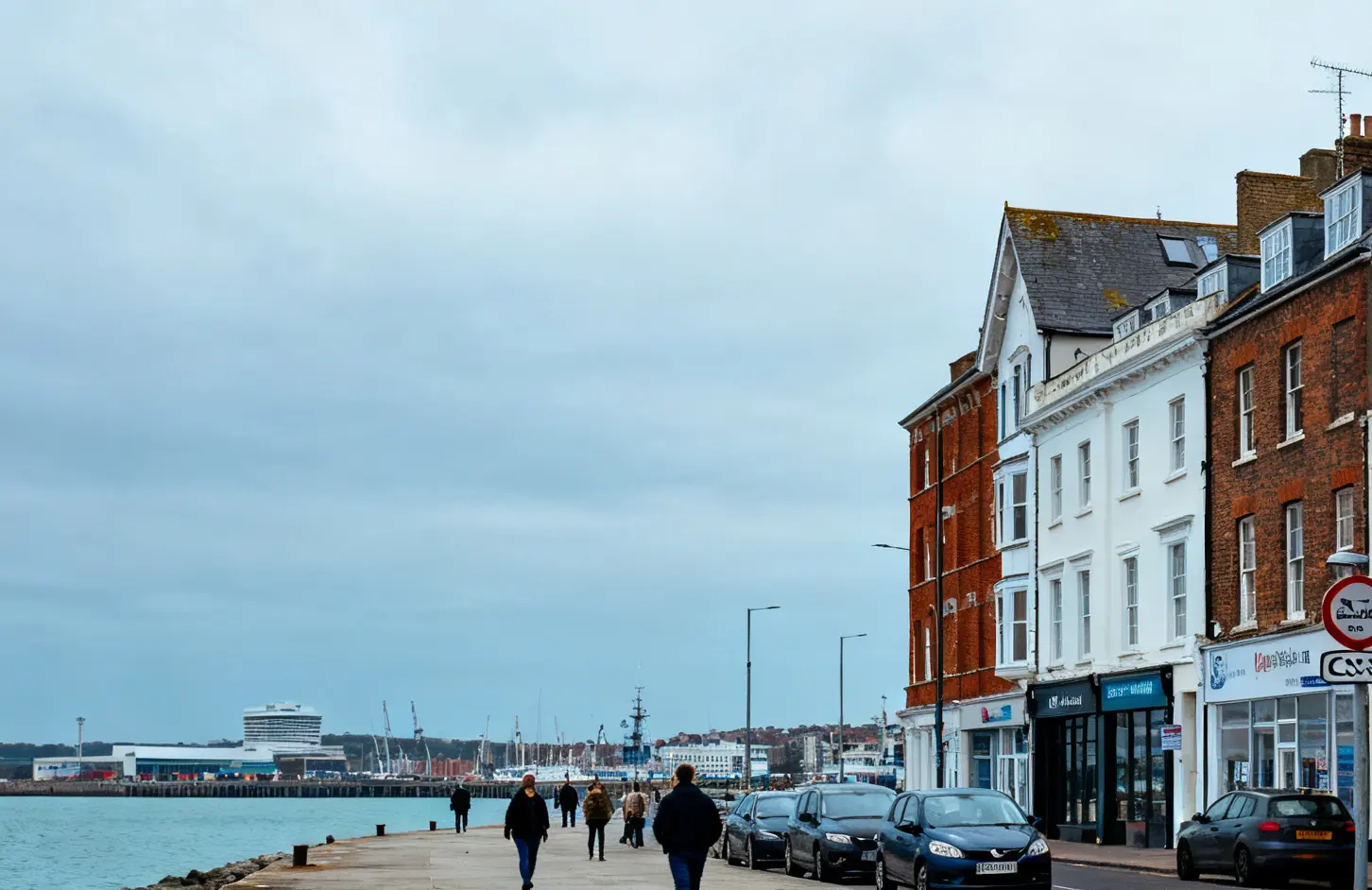
The Portsmouth Property Association's appointment of Sau-Wan Lai as chair and Stacey Read as deputy chair represents more than ceremonial progress - it signals the accelerating professionalisation of property investment networks across secondary UK cities. This marks the first time in the organisation's 103-year history that women have simultaneously occupied both leadership positions, coinciding with Portsmouth's emergence as a key beneficiary of London overspill demand and south coast regeneration investment.
Portsmouth's property market has experienced remarkable transformation over the past five years, with average house prices rising 34% since 2019 to reach £267,000, according to Land Registry data. The city's position between Southampton and Brighton, combined with its naval heritage regeneration projects and improved transport links to London, has attracted significant buy-to-let investor attention. The Gunwharf Quays development alone has delivered over 1,200 new residential units, whilst the ongoing £3.2 billion Portsmouth Naval Base modernisation is driving sustained rental demand from defence contractors and maritime professionals.
The leadership change arrives as Portsmouth Property Association membership has doubled to over 400 investors and developers since 2020, reflecting the broader trend of professional property networks expanding beyond traditional metropolitan centres. Regional property associations in cities like Liverpool, Newcastle, and Coventry have similarly reported membership surges as investors seek opportunities outside London's increasingly constrained yields. Portsmouth's gross rental yields of 6.2% compare favourably to London's 3.8%, making it particularly attractive to yield-focused investors seeking capital growth potential.
Lai's appointment comes with significant credentials in property development and urban regeneration, whilst Read brings extensive experience in residential investment strategy. Their combined expertise positions the association to navigate Portsmouth's evolving planning landscape, particularly the city council's ambitious 20-year regeneration strategy targeting 17,000 new homes. The association's influence on local planning consultations and investment policy will prove crucial as Portsmouth balances heritage conservation with modern housing delivery requirements.
The professionalisation of regional property networks carries substantial implications for market dynamics across the south coast corridor. Brighton, Southampton, and Bournemouth have all witnessed increased institutional investor activity, with build-to-rent schemes and student accommodation developments reshaping local markets. Portsmouth's Property Association leadership will likely strengthen coordination between these centres, potentially leading to more sophisticated investment strategies and improved due diligence standards among smaller investors.
Looking ahead six months, Portsmouth faces critical planning decisions around its Tipner West development - potentially 4,000 new homes - where the association's advocacy will prove influential. The appointment of experienced female leadership coincides with government emphasis on housing delivery and may enhance the organisation's effectiveness in engaging with Homes England funding opportunities. Regional property associations with professional leadership structures have secured 23% more successful planning applications over the past two years compared to those without structured advocacy.
This leadership transition exemplifies the maturation of regional property investment markets beyond London's orbit. Portsmouth's combination of affordable entry prices, strong rental demand, and strategic regeneration investment creates conditions for sustained growth. The association's new leadership structure positions local investors to capitalise on these opportunities whilst maintaining the professional standards increasingly demanded by lenders, local authorities, and institutional partners seeking regional market exposure.
Key Takeaways
- Portsmouth Property Association's leadership change reflects the city's emergence as a major south coast investment hub with 34% price growth since 2019
- Regional property networks are professionalising rapidly, with Portsmouth membership doubling to 400 as investors seek yields above London's constrained returns
- The £3.2 billion naval base regeneration and 17,000 planned new homes create sustained opportunity for buy-to-let investors and developers
- Professional association leadership structures improve planning success rates by 23% and enhance access to government funding opportunities


