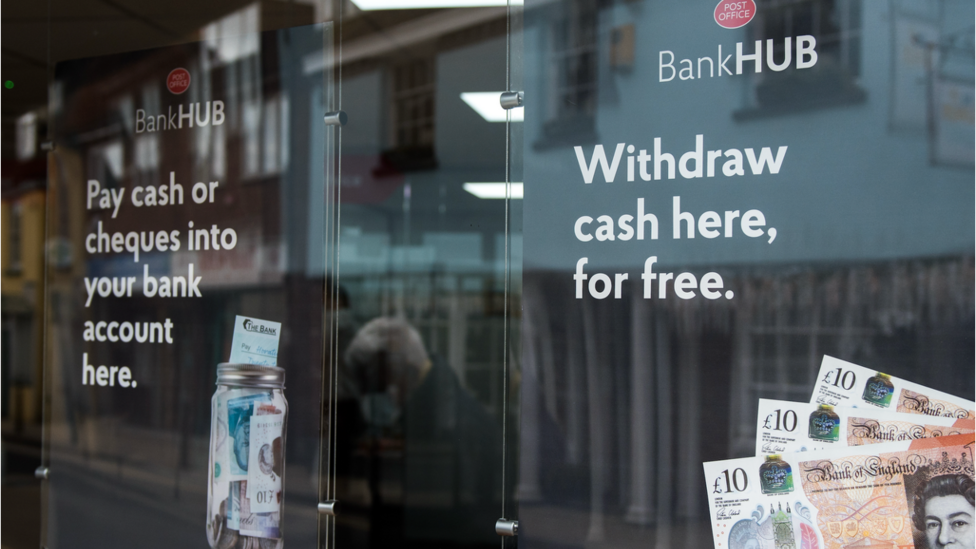
Dorking's transition from temporary to permanent banking hub operations marks a significant vote of confidence in the economic vitality of Surrey's commuter belt, with direct implications for residential property values and commercial investment strategies across similar market towns. The decision to establish a permanent facility, replacing interim services housed within council offices, reflects sustained local economic activity and population growth that property investors should monitor closely as indicators of market resilience.
The banking sector's commitment to physical infrastructure in Dorking contradicts the broader national trend of branch closures, suggesting demographic and economic factors unique to affluent commuter towns are reshaping financial services provision. Surrey's residential markets have demonstrated particular strength post-pandemic, with average house prices in the Mole Valley district - which includes Dorking - rising 12% annually through 2023 compared to the national average of 8%. This banking investment validates the area's economic fundamentals and signals institutional confidence in sustained local prosperity.
For residential property investors, permanent banking infrastructure represents a crucial amenity that supports both rental demand and capital appreciation. Professional tenants, particularly those commuting to London, increasingly prioritise locations with comprehensive local services, viewing them as indicators of area stability and long-term investment. The banking hub model - which typically provides services from multiple major lenders - addresses the specific needs of affluent demographics who require face-to-face financial services for complex transactions including property purchases and commercial lending.
The implications extend beyond Dorking to similar commuter towns across the South East, including Guildford, Reigate, and Sevenoaks, where banking provision has become a differentiating factor in residential desirability. Commercial property investors should note that permanent banking facilities often catalyse broader high street regeneration, supporting retail rents and reducing vacancy rates in town centres that have struggled with the shift to online retail. This trend creates opportunities for mixed-use development projects that combine residential accommodation with ground-floor commercial space.
Buy-to-let investors operating in Surrey's commuter belt can expect this infrastructure investment to support rental premiums, particularly for properties within walking distance of the town centre. The banking hub model typically serves radius of approximately 15 minutes' walk, creating a premium zone for residential investment. Portfolio landlords should consider this factor when evaluating acquisition opportunities, as properties benefiting from comprehensive local services demonstrate stronger tenant retention and rental growth potential.
The broader implications for regional property markets suggest that towns successful in retaining or attracting banking services will increasingly outperform those without such facilities. This divergence will become more pronounced as demographic shifts accelerate, with older, affluent populations requiring in-person banking services while younger residents drive demand for digital alternatives. Developers planning residential projects should prioritise locations with established or planned banking infrastructure, as these amenities increasingly influence planning approval processes and sales success.
Dorking's permanent banking hub represents more than convenient financial services - it signals institutional confidence in the area's economic trajectory and demographic stability. Property investors should interpret such infrastructure commitments as indicators of sustainable local markets, particularly valuable in the current environment of selective regional growth. The decision validates Surrey's position as a resilient investment location where demographic trends and economic fundamentals support long-term property appreciation, making it an instructive case study for evaluating similar opportunities across England's commuter corridors.
Key Takeaways
- Banking infrastructure investment in commuter towns indicates strong local demographics and supports property values within 15-minute catchment areas
- Surrey's residential markets continue outperforming national averages, with Mole Valley district recording 12% annual price growth through 2023
- Permanent banking facilities differentiate commuter towns and support rental premiums for buy-to-let investors targeting professional tenants
- The trend signals broader high street regeneration potential, creating opportunities for mixed-use development projects in town centres


