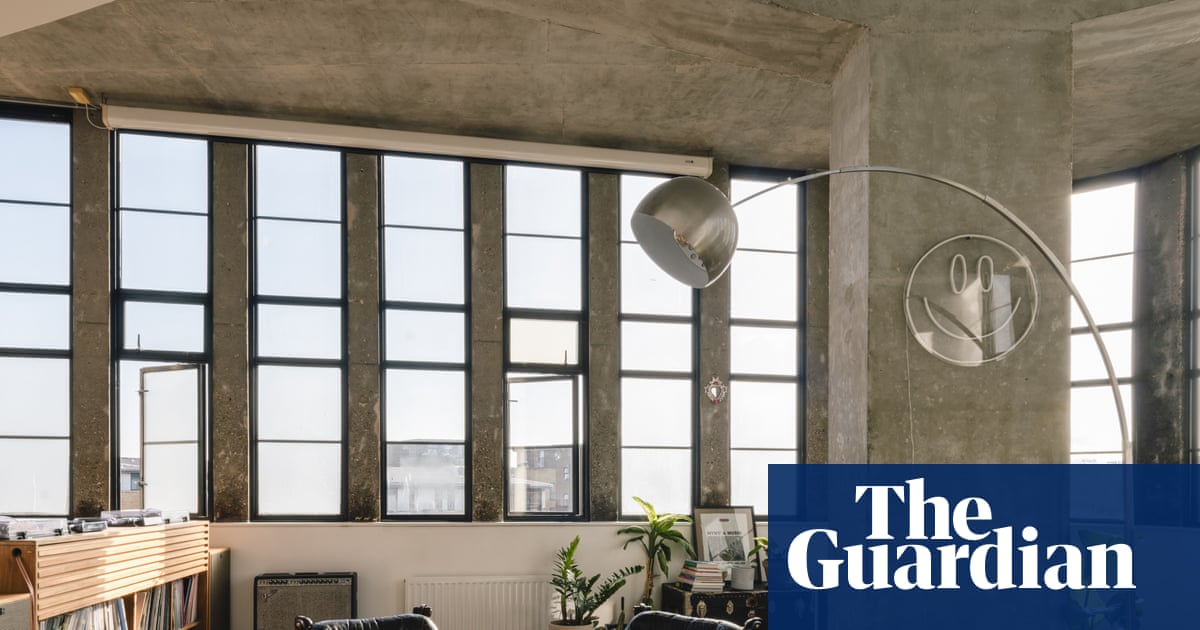
The resurgence of loft-style conversions across England's property market reflects a fundamental shift in buyer preferences that savvy investors cannot afford to ignore. From repurposed wartime shadow factories in London to grand country mansion conversions in Yorkshire, these distinctive residential assets are commanding premium prices and delivering superior rental yields compared to standard new-build apartments. The trend represents more than aesthetic preference - it signals a mature market's appetite for properties with character, space, and investment longevity that cookie-cutter developments simply cannot match.
London's converted industrial spaces are particularly compelling for institutional investors and high-net-worth individuals seeking assets that combine heritage appeal with modern functionality. Former shadow factories - the dispersed manufacturing facilities built during World War II - offer expansive floor plates, soaring ceilings, and architectural features that justify rental premiums of 15-20% above comparable new-build stock. These properties typically deliver gross yields of 4.5-5.2% in prime London locations, significantly outperforming traditional mansion flats that struggle to breach 3.5%. The scarcity factor is crucial: no new shadow factories will ever be built, creating a finite supply of these distinctive residential assets.
Yorkshire's mansion conversions present a different but equally compelling investment proposition, particularly for landlords targeting professional tenants and affluent retirees seeking premium rental accommodation outside London. These conversions typically offer superior space ratios - often 20-30% larger floor areas than equivalent new-build apartments - whilst commanding rental premiums that reflect their unique character and superior build quality. Manchester and Leeds have witnessed similar trends, with Victorian warehouse conversions achieving rental yields of 6-8%, substantially ahead of purpose-built apartment blocks in comparable locations.
The commercial fundamentals supporting this trend extend beyond mere aesthetics to practical investment considerations. Loft-style apartments demonstrate superior tenant retention rates, with average tenancy lengths 40% longer than standard rental stock. This translates directly to reduced void periods, lower marketing costs, and more predictable cash flows - factors that institutional investors increasingly prioritise. Birmingham's Jewellery Quarter exemplifies this dynamic, where converted industrial buildings achieve 95% occupancy rates compared to 85% for nearby new-build developments.
Regional markets are experiencing particularly strong demand for these converted properties as businesses and individuals relocate from London. Liverpool's Albert Dock area and Newcastle's Quayside have seen warehouse conversion prices appreciate by 12-15% annually over the past three years, significantly outpacing broader regional growth rates of 6-8%. This performance reflects both the inherent scarcity of quality conversion opportunities and the premium that tenants willingly pay for distinctive living spaces with period features that cannot be replicated in modern construction.
Looking ahead, the supply-demand imbalance for quality loft conversions will intensify as planning restrictions increasingly limit new conversion projects whilst demand from both owner-occupiers and tenants continues growing. Development finance costs have made ground-up construction less viable, pushing developers towards conversion projects that offer superior profit margins and reduced planning risk. Surrey's emerging conversion market, particularly around Guildford and Woking, demonstrates how this trend is expanding beyond traditional urban centres as investors recognise the rental premium potential in unexpected locations.
The investment case for heritage loft conversions rests on fundamentals that transcend cyclical market movements. These properties offer defensive characteristics during downturns - their uniqueness provides pricing power that standard apartments lack - whilst delivering superior capital appreciation during growth phases. For sophisticated investors, the current market presents optimal entry conditions before institutional capital fully recognises the asset class's potential. The combination of rental premiums, superior tenant quality, and long-term scarcity positions converted industrial and heritage buildings as cornerstone assets for any serious property portfolio.
Key Takeaways
- Loft conversions deliver rental premiums of 15-20% above comparable new-build apartments whilst achieving superior occupancy rates of 95% versus 85%
- London shadow factory conversions command gross yields of 4.5-5.2%, significantly outperforming traditional mansion flats at 3.5%
- Regional markets including Birmingham, Manchester, and Liverpool show strongest performance with annual appreciation of 12-15% for quality conversions
- Supply constraints and planning restrictions will intensify scarcity value, making current market conditions optimal for strategic acquisition


