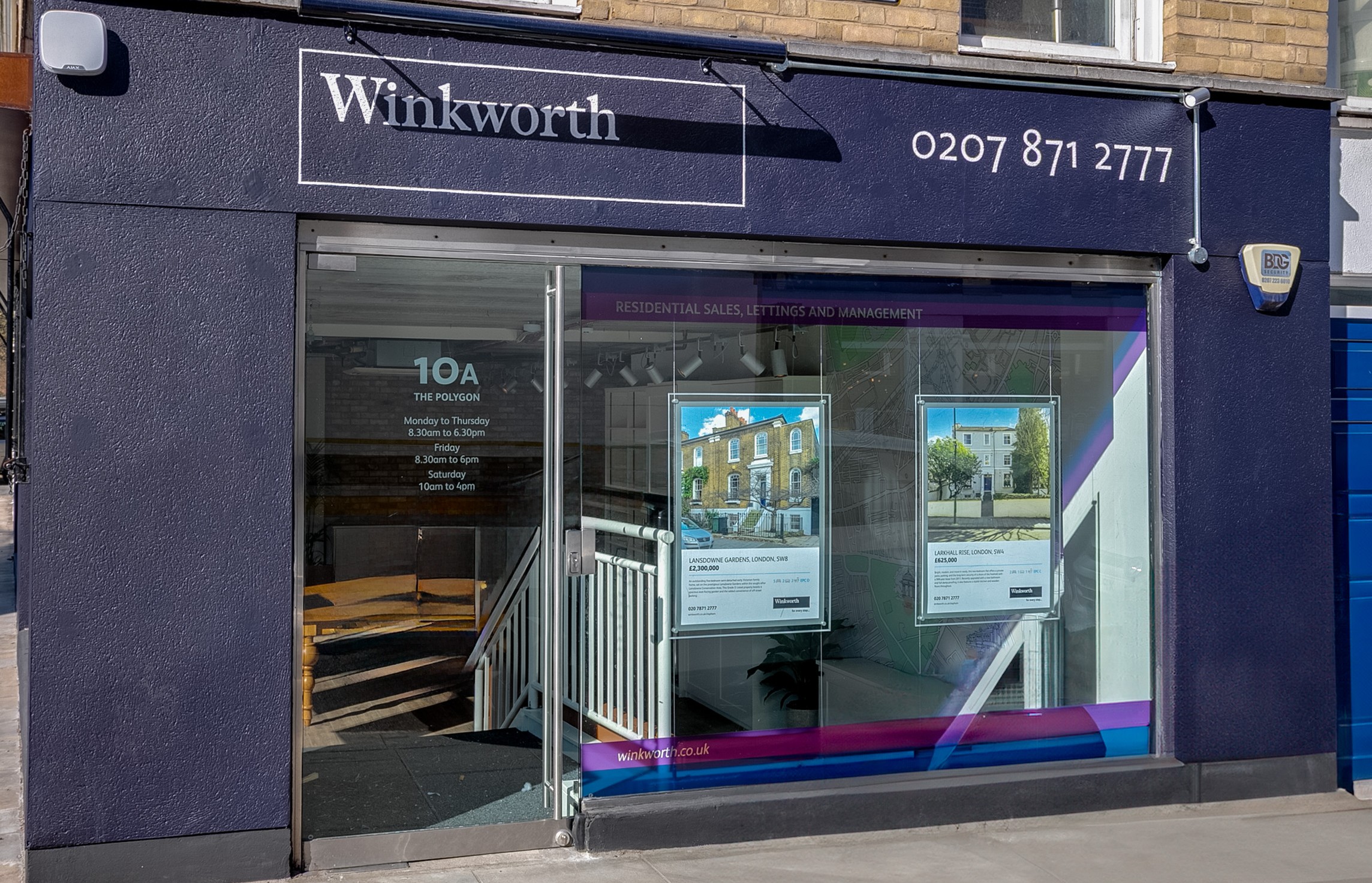
Winkworth, the London-headquartered estate agency franchise network with a presence across the UK property market, has agreed with its chairman to pursue mediation in a legal dispute that has been playing out in the High Court. The decision to seek mediation signals that both sides are now looking for a resolution outside the courtroom, after litigation between the company and its chairman had dragged on without a swift conclusion.
For an organisation whose name is attached to hundreds of local branches advising buyers, sellers, landlords and tenants across the country, a protracted High Court dispute at the very top of the business is more than a legal footnote. Winkworth operates through a franchise model, meaning its brand reputation underpins the trading confidence of independently run offices in cities including Manchester, Birmingham, Leeds, Liverpool, Newcastle, London and Surrey. Any sustained uncertainty at group level has the potential to unsettle franchisees, who rely on consistent central leadership, marketing support and corporate governance to maintain client trust in competitive local markets.
The move towards mediation rather than a continued court battle is, in itself, a meaningful development. Mediation processes are typically pursued when parties want to avoid the cost, delay and reputational exposure that comes with an open-ended legal fight, particularly one involving a chairman and the company he leads. For a business built on relationships and local reputation, as estate agency inherently is, a visible and unresolved High Court dispute carries risks that extend well beyond legal fees. Sellers instructing an agent, landlords signing management agreements, and buy-to-let investors choosing a letting partner all place a degree of trust in the stability of the brand standing behind the local office.
PropertyNews analysis suggests that the timing of this dispute matters. The UK property market is currently navigating a period in which agency networks are under pressure to demonstrate operational resilience, whether through consolidation, technology investment or simply consistent service delivery across regional offices. A franchise business distracted by boardroom litigation is less well placed to respond quickly to shifting market conditions, whether that means adjusting to changes in buyer demand in regional cities or supporting franchisees through fluctuations in transaction volumes. Mediation, if it succeeds, would allow management attention to return to the core business rather than remaining tied up in legal proceedings.
For different participants in the property market, the implications vary. Franchisees and staff within the Winkworth network will be watching closely for clarity on governance and leadership, since prolonged uncertainty at group level can affect recruitment, investment decisions and franchisee confidence in renewing agreements. Buy-to-let landlords and vendors using Winkworth branches are less likely to be directly affected in the short term, given that day-to-day service is typically delivered locally, but any erosion of brand confidence nationally could eventually filter down to how competitively a Winkworth office is positioned against rivals in cities such as Leeds or Liverpool. Commercial investors and developers with ties to the agency, meanwhile, will be assessing whether the dispute signals wider instability that could affect valuations tied to the brand or franchise agreements.
Looking ahead over the next six to twelve months, the critical question is whether mediation delivers a swift and binding resolution or simply becomes another stage in a longer-running dispute. A successful mediated settlement would allow Winkworth to present a united leadership to its franchise network and clients, reinforcing confidence at a time when agency brands are competing hard for market share. Failure to reach agreement through mediation, by contrast, would likely see the matter return to the High Court, extending the uncertainty and keeping governance questions unresolved for franchisees and the wider market watching how one of Britain's recognisable estate agency names manages an internal crisis.
The broader lesson for the property industry is that brand-level governance disputes, even when confined to a boardroom, are never purely an internal matter in a trust-based business like estate agency. Winkworth's decision to attempt mediation rather than let the High Court battle continue indefinitely suggests both sides recognise the commercial cost of prolonged uncertainty. Whether that translates into a durable resolution will determine how quickly the network can move past this episode and refocus on serving clients across its UK branch network.
Key Takeaways
- Winkworth and its chairman have agreed to mediation in an ongoing High Court dispute, aiming to avoid prolonged litigation.
- As a franchise-based estate agency network, Winkworth's governance stability has implications for local offices across cities including Manchester, Birmingham, Leeds, Liverpool, Newcastle, London and Surrey.
- Franchisees, staff and brand-dependent stakeholders should watch for a swift mediated settlement as a signal of restored leadership stability.
- Failure of mediation would likely return the matter to the High Court, extending uncertainty for the network and its wider market reputation.