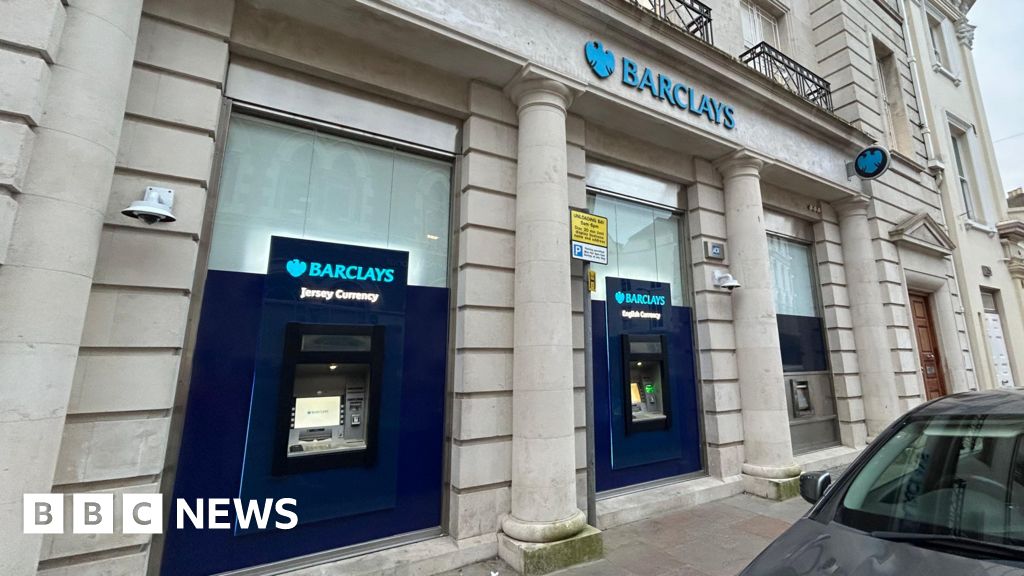
Barclays' decision to temporarily shutter its Jersey branch operations represents more than a routine banking adjustment - it signals growing strain within the offshore financial ecosystem that has long facilitated UK property investment. While the bank maintains that digital and telephone services will continue uninterrupted, the physical closure underscores mounting regulatory pressures and operational costs that are reshaping how British investors access international property markets and structure their portfolios through Crown Dependencies.
The Jersey closure arrives at a particularly sensitive moment for UK property investors who have increasingly relied on offshore banking relationships to navigate domestic tax complexities and access international real estate opportunities. Industry data suggests that approximately 15-20% of high-net-worth UK property investors maintain some form of Channel Islands banking relationship, with Jersey serving as a crucial hub for structuring investments in London's prime central districts, Manchester's commercial developments, and Birmingham's emerging residential schemes. The temporary disruption will force these investors to reconsider their financing arrangements precisely when UK stamp duty reforms and capital gains tax changes are already pressuring returns.
Regional property markets across the UK will experience varying degrees of impact from this banking disruption. London's prime postcodes - where offshore financing structures are most prevalent - face the most immediate consequences, particularly in areas like Knightsbridge and Mayfair where international buyers frequently utilise Jersey-based arrangements. However, emerging investment hotspots including Manchester's Northern Quarter regeneration projects and Leeds' commercial property renaissance may actually benefit as investors redirect capital toward domestic opportunities that require less complex offshore structuring. Birmingham's burgeoning rental market, currently experiencing 8-12% annual yield growth, stands to attract displaced offshore investment seeking simpler regulatory frameworks.
The broader implications extend beyond individual investor inconvenience to fundamental questions about the sustainability of offshore property investment models. Regulatory compliance costs have increased by approximately 40% across Crown Dependencies over the past two years, forcing financial institutions to reassess their physical presence requirements. This trend will accelerate the digitisation of property investment processes while simultaneously reducing the personalised relationship management that has traditionally characterised high-value property transactions. Buy-to-let landlords with Jersey-structured portfolios must now navigate potential service disruptions during a period when UK rental yields in cities like Liverpool and Newcastle are reaching historic highs of 7-9%.
Commercial property investors face particularly acute challenges from this banking disruption, especially those involved in cross-border development projects or international real estate funds with UK exposure. The temporary closure will likely delay completion of several major transactions currently in due diligence phases, potentially affecting development timelines for projects across Manchester's commercial district and London's emerging tech corridors. Developers who have structured their financing through Jersey vehicles may encounter delays in accessing construction finance, particularly problematic given current construction cost inflation of 12-15% annually across major UK markets.
Looking ahead twelve months, this Jersey banking disruption will catalyse a fundamental restructuring of how UK property investment is financed and managed. The trend toward domestic banking relationships will intensify, benefiting UK institutions that can offer sophisticated international property investment services without offshore complications. First-time buyers and domestic investors will gain relative advantages as competition from complex offshore investment structures diminishes, particularly in emerging markets like Newcastle and Leeds where international interest has previously inflated entry costs. The commercial property sector will see increased demand for UK-domiciled investment vehicles as offshore alternatives become less accessible.
The Jersey closure ultimately reflects a maturing property investment landscape where regulatory transparency increasingly trumps offshore complexity. Smart UK property investors will use this transition period to consolidate their domestic banking relationships and explore alternative investment structures that deliver similar tax efficiency without offshore dependency. Those who adapt quickly to this new paradigm will find themselves better positioned to capitalise on emerging opportunities across regional UK markets, while investors clinging to increasingly complex offshore arrangements will face mounting operational challenges and regulatory scrutiny.
Key Takeaways
- Jersey banking disruption will redirect offshore property investment toward simpler UK-domiciled structures, benefiting domestic markets
- London prime property faces immediate impact while regional markets like Manchester and Birmingham may attract displaced capital
- Commercial property transactions will experience delays as offshore-structured deals navigate alternative financing arrangements
- UK banks offering international property investment services will gain competitive advantage as offshore complexity increases


