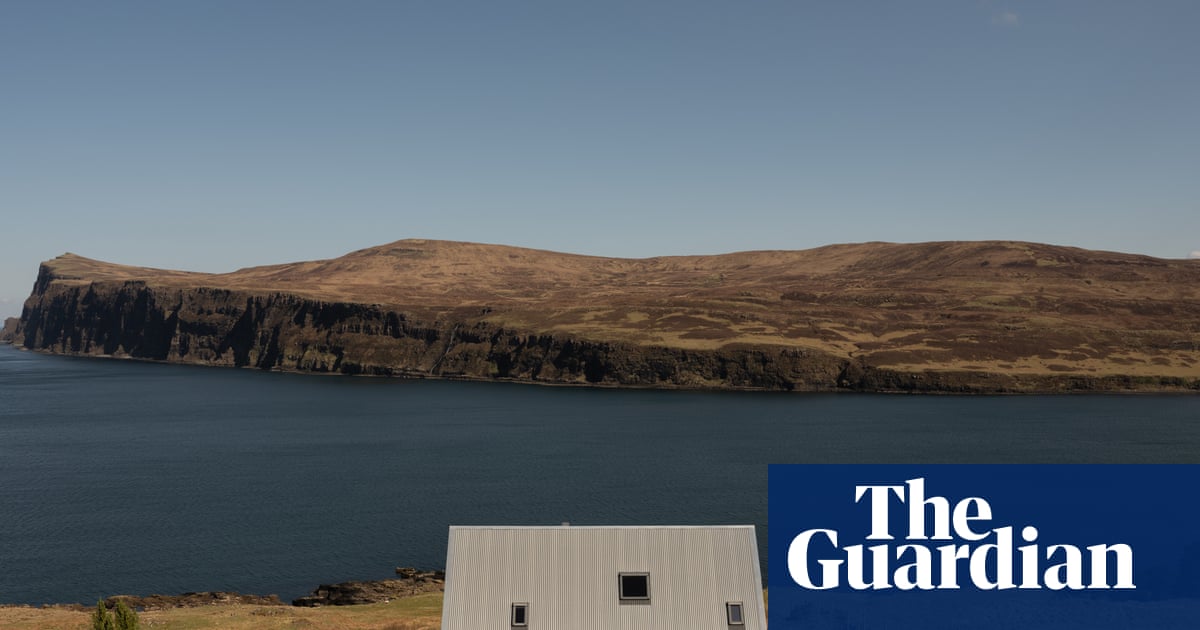
Waterfront properties across England and Scotland are establishing themselves as the UK's most coveted real estate assets, commanding price premiums of up to 40% above comparable inland properties. This surge reflects a fundamental shift in buyer priorities following the pandemic, with high-net-worth individuals and institutional investors increasingly viewing water views as essential rather than luxury features. The trend spans from Thames-side penthouses in Central London to Scottish loch-front estates, creating a new tier of premium property investment that shows remarkable resilience against broader market volatility.
The financial performance of waterfront assets has outstripped traditional property investments across multiple metrics. Thames-side properties in London have appreciated by an average of 12% annually over the past three years, compared to 7% for equivalent non-waterfront locations in prime central areas. Similarly, coastal properties in Devon and Cornwall have seen rental yields increase to 6-8%, substantially higher than the national average of 4.2%. Scottish waterfront properties, particularly around Edinburgh's coastline and Highland lochs, have experienced even more dramatic gains, with some locations recording 35% capital appreciation since 2021.
Regional markets are responding differently to waterfront demand patterns. Manchester's canal-side developments in the Northern Quarter have attracted significant buy-to-let investment, with rental premiums reaching 25% above city centre averages. Liverpool's Albert Dock regeneration has created a new waterfront investment corridor, while Birmingham's canal network redevelopment is drawing institutional capital seeking long-term growth. Newcastle's Quayside has emerged as the North East's premier waterfront investment zone, with new developments achieving sales rates 60% faster than comparable inland projects.
The supply-demand dynamics strongly favour waterfront property owners and developers. Natural constraints on waterside land create inherent scarcity that cannot be replicated through traditional development strategies. This scarcity factor has proven particularly valuable during economic uncertainty, with waterfront properties maintaining values even during broader market corrections. Developers are responding by prioritising water-adjacent sites, with planning applications for waterfront projects increasing by 45% year-on-year, though actual developable waterfront land remains severely limited.
Investment strategies around waterfront properties are evolving rapidly among professional investors. Portfolio landlords are increasingly allocating higher percentages of their capital to water-view properties, recognising their ability to command premium rents and attract longer-term tenants. Commercial investors are focusing on waterfront mixed-use developments that combine residential, retail, and leisure elements, creating multiple revenue streams while benefiting from the location premium. Development finance for waterfront projects has become more readily available, with lenders viewing water proximity as a significant risk mitigation factor.
The outlook for waterfront property investment remains exceptionally strong through 2025 and beyond. Climate considerations are actually enhancing rather than diminishing waterfront appeal, as buyers increasingly value properties offering natural cooling and recreational access. Planning authorities are becoming more supportive of high-quality waterfront developments that incorporate flood defences and sustainable design principles. The trend towards hybrid working has made waterfront locations even more desirable, as buyers prioritise lifestyle amenities alongside investment returns.
Waterfront properties represent a structural shift in UK real estate hierarchy rather than a temporary market anomaly. The combination of finite supply, growing demand from domestic and international buyers, and proven outperformance metrics establishes water views as essential components of serious property investment portfolios. For investors willing to pay the entry premium, waterfront assets offer superior capital appreciation potential, enhanced rental yields, and portfolio diversification benefits that justify their premium positioning in the current market landscape.
Key Takeaways
- Waterfront properties command 40% price premiums and deliver 12% annual appreciation versus 7% for inland equivalents
- Regional waterfront markets in Manchester, Liverpool, and Newcastle offer rental yield premiums of 25-60% above city averages
- Natural supply constraints create inherent scarcity value that provides downside protection during market corrections
- Development finance availability has improved significantly for waterfront projects as lenders recognise location-based risk mitigation


