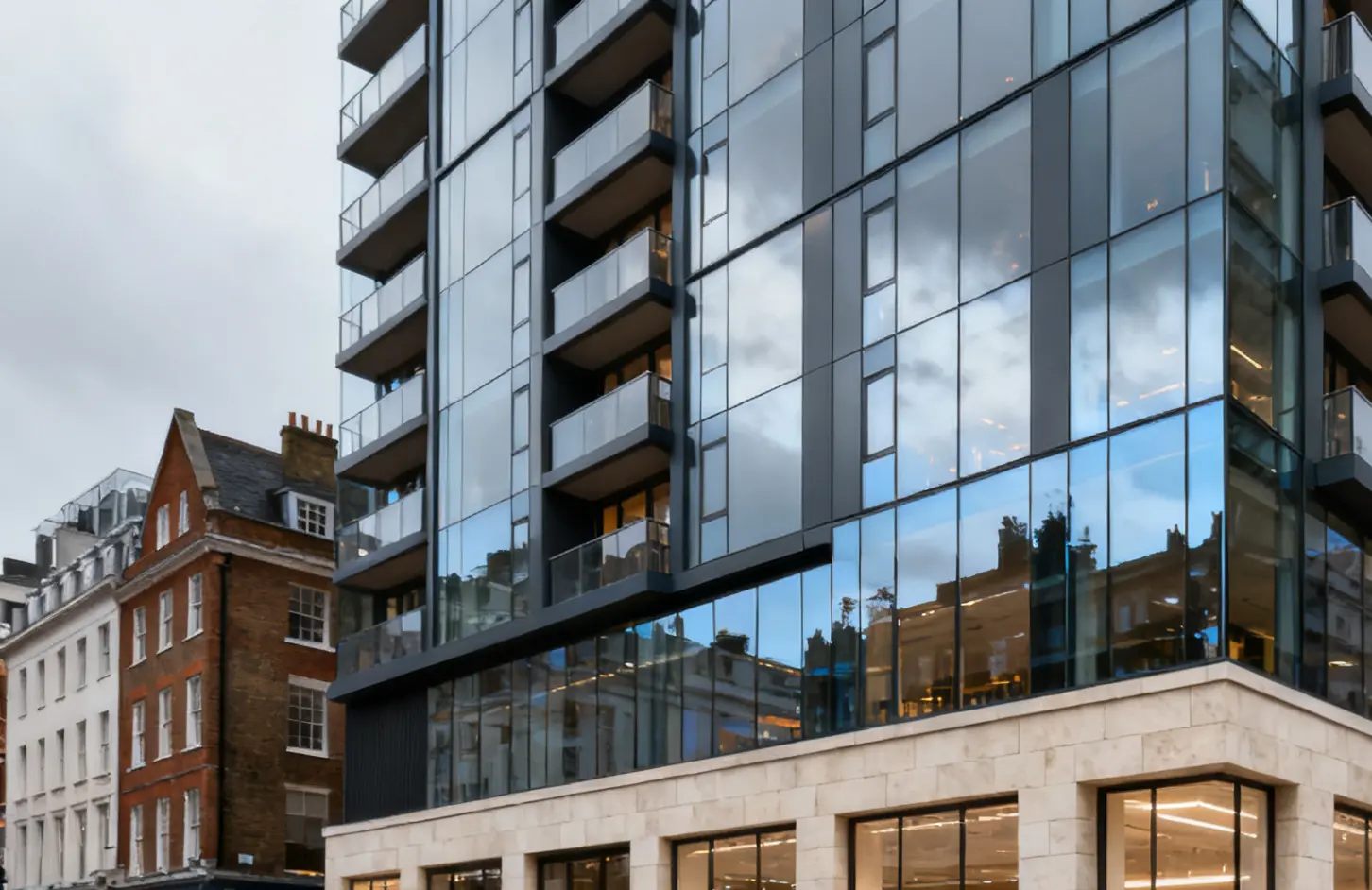
GB Bank has completed a £33 million bridging finance facility secured against a mixed-use London property portfolio, funding the deal in just seven days to meet a hard exchange deadline. The borrower, a seasoned property investor with more than £500 million of real estate holdings, needed the capital to support a wider acquisition strategy rather than to rescue a distressed position - a distinction that matters for how the market should read this transaction.
The significance here lies less in the headline figure than in the timeline. A seven-day turnaround on a £33 million secured facility is exceptionally fast by any lending standard, and it underscores a structural shift in how sophisticated investors are financing deals in 2024 and into 2025. High street banks, constrained by layered credit committees and increasingly conservative risk appetites since the 2023 rate shocks, simply cannot match this pace. For investors competing on exchange-hard deadlines - often the difference between securing a discounted asset and losing it to a cash buyer - specialist bridging lenders like GB Bank have become the default route rather than the lender of last resort.
This matters enormously for the wider UK property investment community. Bridging finance volumes have grown steadily since 2021, with the Association of Short Term Lenders reporting the sector's loan book surpassing £10 billion for the first time last year. What was once viewed as expensive, short-term emergency funding is now a mainstream tool for portfolio landlords and commercial investors executing time-sensitive strategies - auction purchases, broken chains, or opportunistic acquisitions where speed trumps headline interest rate. Typical bridging rates currently sit between 0.55% and 0.95% per month, meaningfully more expensive than mainstream mortgage debt, but for an investor unlocking a £33 million portfolio at pace, that premium is a rounding error against the opportunity cost of a failed exchange.
Regionally, London and the South East remain the natural home for this kind of large-scale bridging activity, given asset values and the density of mixed-use stock, but the trend is spreading. Manchester and Birmingham have both seen a marked uptick in bridging-backed commercial acquisitions over the past 18 months as investors chase yield outside the capital, while Leeds and Liverpool are increasingly attractive for mixed-use conversions where speed of funding determines whether a vendor accepts an offer. Newcastle's regeneration corridor and pockets of Surrey's commuter-belt commercial stock are also drawing similar short-term lending interest, as investors with substantial existing portfolios use bridging debt to move quickly while arranging longer-term refinancing behind the scenes.
For buy-to-let landlords and smaller developers, the implications are twofold. First, this deal is a reminder that scale and an established asset base - here, a £500 million portfolio - remain the currency that unlocks the fastest, most competitively priced bridging terms; smaller operators typically face higher rates and more conservative loan-to-value ratios, often capped around 65-70% against commercial assets. Second, it signals that the bridging market itself is maturing into a genuine alternative capital source as mainstream lenders tighten criteria on complex mixed-use security. First-time buyers are largely insulated from this trend, but they should note the broader pattern: institutional and specialist capital is increasingly comfortable moving fast into London's mixed-use and commercial space, which will keep upward pressure on prime and near-prime asset values in the capital even as residential mortgage affordability remains stretched.
Looking ahead to the next six to twelve months, expect specialist bridging lenders to continue gaining market share from traditional banks, particularly as base rate cuts filter through slowly and high street institutions remain risk-averse on complex or mixed-use security. Commercial investors with strong balance sheets will keep using bridging debt tactically - as a speed weapon rather than a financing crutch - to win deals against less agile competitors. Developers eyeing conversion or repositioning opportunities in regional cities should treat rapid bridging execution as a genuine competitive advantage worth paying for, not simply an expensive fallback. The GB Bank facility is a data point confirming that in today's market, certainty and speed of funding have become as valuable as the rate attached to it.
Key Takeaways
- GB Bank funded a £33m mixed-use London bridging facility in seven days, demonstrating specialist lenders' growing speed advantage over high street banks.
- UK bridging loan volumes exceeded £10bn last year, reflecting its shift from emergency finance to a mainstream tool for time-sensitive acquisitions.
- Scale matters: established portfolio investors secure faster, more competitive bridging terms than smaller landlords, who typically face lower loan-to-value caps.
- Expect continued growth in bridging-backed commercial and mixed-use deals across Manchester, Birmingham, Leeds and Newcastle as investors prioritise execution speed over headline rates.


