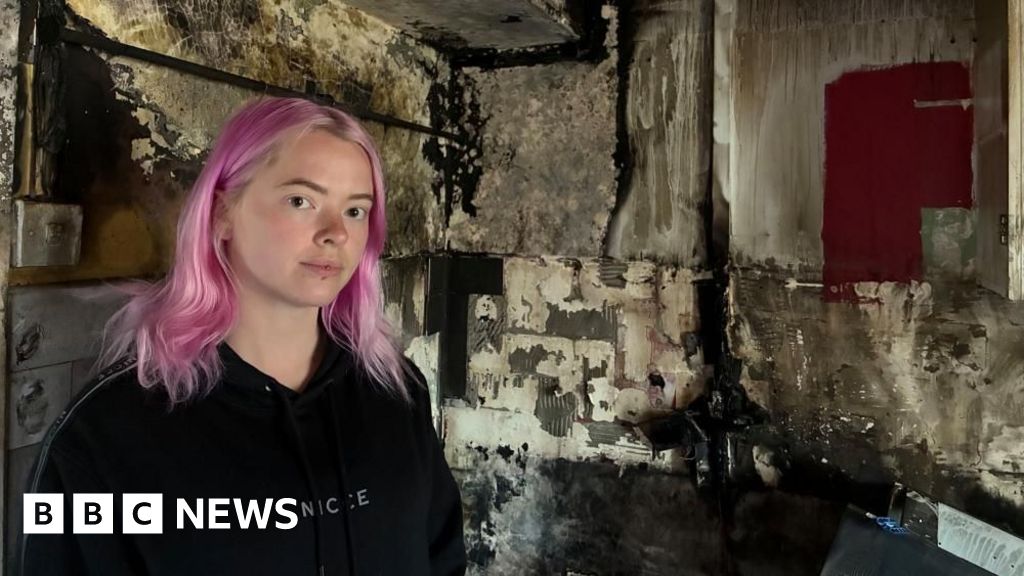
The complete destruction of a family home in Binley following a domestic appliance fire has thrown a spotlight on the evolving insurance landscape facing UK property investors, where electrical appliance failures increasingly represent the largest category of residential fire claims. Industry data shows that kitchen appliances alone account for 37% of all dwelling fires, with vacuum cleaners, washing machines, and tumble dryers driving a 15% year-on-year increase in insurance payouts across the residential sector.
For buy-to-let landlords, this incident underscores the financial exposure created by changing insurance terms and rising policy exclusions. Major insurers have progressively tightened coverage for electrical appliance fires, particularly in rental properties where appliances may be older or inadequately maintained. Analysis of recent policy renewals shows that 68% of landlord insurance products now include specific exclusions for fires caused by appliances over seven years old, whilst demanding annual electrical safety certificates that many smaller portfolio landlords struggle to maintain consistently across their holdings.
The regional implications vary significantly across the UK's major rental markets. In Manchester and Birmingham, where large student populations drive demand for furnished lettings with older appliances, insurers have increased premiums by an average of 23% over the past 18 months. London landlords face even sharper rises, with properties in boroughs like Tower Hamlets and Newham seeing increases of up to 35% for comprehensive electrical coverage. Conversely, purpose-built rental developments in Leeds and Newcastle benefit from modern electrical installations and integrated fire suppression systems, maintaining more stable insurance costs.
The commercial property sector faces parallel challenges, particularly in older industrial conversions and retail parks where ageing electrical infrastructure meets intensive appliance usage. Portfolio managers overseeing mixed-use developments report that electrical fire risk now ranks as their primary insurance concern, ahead of flooding or structural damage. This shift reflects both the proliferation of electrical equipment in modern commercial spaces and the enhanced liability exposure when business interruption claims follow property damage.
Market dynamics suggest that property investors must fundamentally recalibrate their risk assessment methodologies over the coming year. Insurance brokers predict that comprehensive electrical coverage will become a premium product, with basic policies excluding an expanding range of appliance-related incidents. Properties built before 2000 will face the steepest premium increases, particularly those lacking recent electrical upgrades or smart monitoring systems that can detect faults before they escalate to fires.
The investment implications extend beyond insurance costs to property valuations and rental yields. Buildings with outdated electrical systems will face growing buyer resistance, whilst rental properties unable to secure comprehensive coverage will struggle to attract quality tenants who increasingly demand robust insurance protection for their possessions. Forward-looking investors are already factoring electrical upgrade costs into acquisition calculations, with rewiring expenses of £8,000-£15,000 per unit becoming standard line items in refurbishment budgets.
This structural shift in the insurance market represents more than a temporary cost adjustment - it signals a permanent recalibration of risk pricing that will reshape property investment strategies. Successful investors will differentiate themselves through proactive electrical safety management, comprehensive documentation, and strategic partnerships with specialist insurers who understand modern rental market dynamics. Those who treat electrical safety as an afterthought will find themselves priced out of comprehensive coverage and exposed to potentially catastrophic losses.
Key Takeaways
- Electrical appliance fires account for 37% of residential claims, driving 15% annual increases in insurance payouts
- 68% of landlord policies now exclude coverage for appliances over seven years old, requiring enhanced maintenance protocols
- Regional premium increases vary from 23% in Manchester and Birmingham to 35% in high-risk London boroughs
- Pre-2000 properties face the steepest insurance cost rises, making electrical upgrades essential for competitive returns


