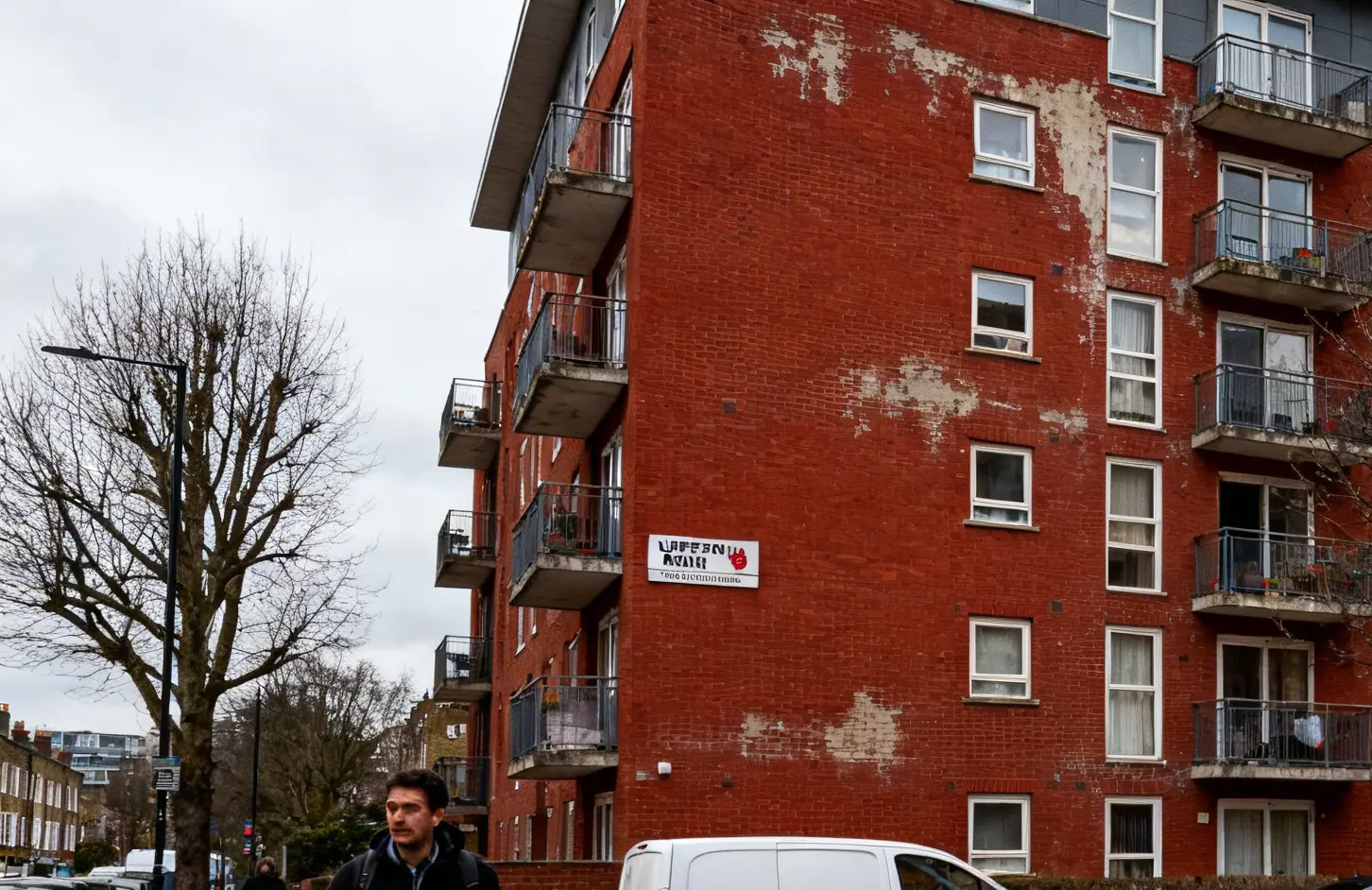
A debt crisis involving developer Restoration Hackney has rendered seventeen flats in an east London development completely unsellable, exposing a critical vulnerability in the leasehold system that could affect thousands of similar properties across the capital. The £850,000 debt to Hackney council, outstanding since 2017, has made the properties unmortgageable as potential buyers would inherit liability should the developer enter bankruptcy proceedings. This case represents a stark warning for the estimated 4.5 million leasehold properties across England and Wales, particularly in London where leasehold ownership dominates the flat market.
The situation in Hackney illustrates how unpaid developer obligations can cascade through the property chain, trapping innocent leaseholders in properties they cannot sell or remortgage. Mortgage lenders have classified these flats as unbankable assets, recognising that any buyer could face substantial financial exposure if Restoration Hackney's corporate structure collapses. This debt burden effectively transforms what should be valuable London residential assets into stranded investments, highlighting the precarious position of leaseholders who have no control over their freeholder's financial management yet bear the consequences of their defaults.
The implications extend far beyond this single development, particularly affecting London's extensive build-to-rent and leasehold conversion markets. Areas such as Newham, Tower Hamlets, and Southwark - where similar developer-led schemes proliferated during the post-2008 construction boom - face comparable risks. Property professionals estimate that up to 15% of developments completed between 2015 and 2020 in east London involved small to medium developers who may have accumulated unpaid statutory obligations. The compounding effect of rising interest rates and construction cost inflation has pushed many of these firms towards financial distress, creating a ticking time bomb for leaseholders.
Buy-to-let investors face particularly acute exposure, as portfolio landlords often purchased multiple units in developments like Restoration Hackney's during the market's growth phase. With rental yields in east London averaging 4-5%, these properties represented attractive investment propositions until developer debt issues emerged. The inability to sell or refinance these assets has effectively frozen capital that investors planned to deploy elsewhere, while ongoing service charges and ground rent obligations continue regardless of saleability. Estate agents report similar situations affecting developments in Birmingham's Jewellery Quarter and Manchester's Northern Quarter, suggesting this is not a London-specific phenomenon.
The mortgage market's response has been swift and unforgiving, with major lenders implementing enhanced due diligence on leasehold properties where developer solvency appears questionable. Nationwide and Halifax have introduced additional checks on developments completed after 2015, while specialist buy-to-let lenders are demanding comprehensive financial health assessments of freeholding companies before approving financing. This heightened scrutiny will inevitably slow transaction volumes and increase costs for legitimate leasehold sales, creating a chilling effect across London's residential market where leasehold flats comprise roughly 70% of all apartment stock.
Legislative reforms currently progressing through Parliament may offer some protection for future leaseholders, but provide little immediate relief for those already trapped in situations like the Hackney case. The Leasehold and Freehold Reform Act, expected to receive Royal Assent in 2024, includes provisions for enhanced financial reporting requirements for freeholders and management companies. However, these measures will not retrospectively resolve existing debt situations or provide compensation for leaseholders whose property values have been destroyed by developer defaults. The government's proposed reforms to ground rent and service charges, while beneficial for future purchasers, cannot address the fundamental structural problem of leaseholder liability for freeholder debts.
The Restoration Hackney case signals a fundamental shift in how the market must assess leasehold investment risks, with developer financial health becoming as crucial as location and yield potential. Property investors must now conduct detailed due diligence on freeholding entities, examining their corporate structures, outstanding obligations, and financial stability before committing capital. This incident demonstrates that the UK's leasehold system contains systemic flaws that can eliminate property values entirely, making thorough legal and financial investigation an essential component of any residential investment strategy in markets where leasehold tenure predominates.
Key Takeaways
- Developer debt can render leasehold properties completely unsellable, as buyers inherit liability for unpaid obligations in bankruptcy scenarios
- An estimated 15% of east London developments from 2015-2020 may face similar risks as small developers struggle with rising costs and debt servicing
- Major mortgage lenders are implementing enhanced due diligence on post-2015 leasehold properties, slowing transactions across London's flat market
- Investors must now assess freeholder financial health as rigorously as property fundamentals when evaluating leasehold opportunities


