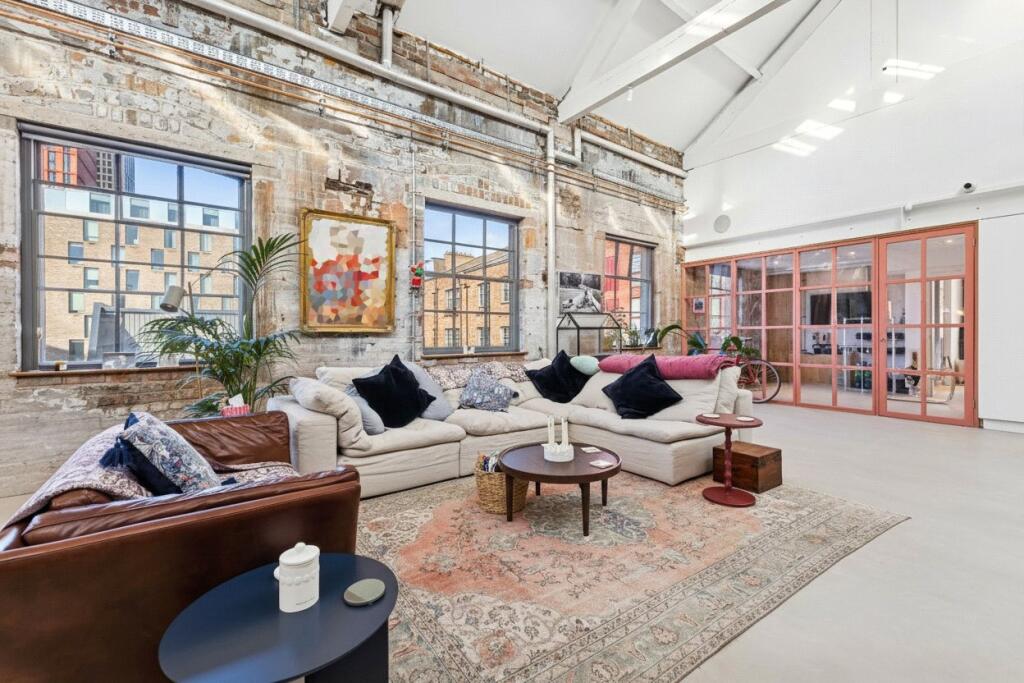
The increasing prominence of warehouse and loft conversions in the UK property market represents a fundamental shift in how investors and developers approach urban regeneration. These characterful properties, once relegated to niche corners of the market, are now commanding premium prices and driving significant investment activity across Britain's major cities. The trend signals a maturing appetite for industrial heritage properties that combine period features with modern living standards, creating compelling opportunities for astute investors willing to embrace this evolving sector.
Manchester and Birmingham have emerged as particular hotspots for warehouse conversion activity, with former textile mills and industrial complexes being transformed into high-end residential developments. In Manchester's Northern Quarter, converted warehouse apartments are achieving sales prices of £400-500 per square foot, representing yields of 5-6% for buy-to-let investors. Birmingham's Jewellery Quarter has witnessed similar dynamics, with Victorian industrial buildings commanding premiums of 15-20% above comparable new-build properties. These conversions appeal strongly to young professionals seeking character properties with period features such as exposed brickwork, steel beams, and oversized windows that cannot be replicated in modern developments.
The commercial drivers behind this trend extend beyond aesthetic appeal to fundamental supply constraints in urban centres. Local planning authorities increasingly favour conversion projects over demolition and rebuild, particularly where buildings possess historical significance. This regulatory environment creates natural barriers to entry while supporting premium valuations for existing converted stock. In Leeds and Liverpool, planning departments have actively encouraged warehouse conversions through streamlined approval processes, recognising their role in preserving urban heritage while meeting housing demand. The result has been a steady pipeline of conversion projects that maintain scarcity value while delivering modern amenities.
London's warehouse conversion market operates at a different scale entirely, with properties in areas such as Shoreditch, Bermondsey, and King's Cross achieving sales prices exceeding £800 per square foot. The capital's conversion market benefits from international investor demand and established creative industry clusters that drive rental premiums. However, rising construction costs and complex planning requirements are pushing developers towards larger, more ambitious projects that can absorb these overheads. This trend favours institutional investors and specialist conversion funds over smaller developers, potentially consolidating the market around fewer but more substantial players.
Buy-to-let investors face a complex risk-reward equation when evaluating warehouse conversions. While these properties typically command rental premiums of 10-15% above equivalent modern apartments, they also present unique challenges including higher maintenance costs, potential service charge volatility, and specific insurance requirements. The communal nature of many conversion developments can create management complexities that impact long-term returns. Nevertheless, the strong tenant demand for character properties, particularly among creative professionals and young executives, provides rental resilience that many investors find attractive in uncertain economic conditions.
The forward trajectory for warehouse conversions appears robust, supported by sustained urbanisation trends and limited supply of suitable conversion opportunities. Newcastle and Sheffield represent emerging markets where conversion activity is accelerating, driven by lower acquisition costs and growing professional populations. However, rising interest rates and construction inflation will likely consolidate activity around prime locations with proven demand fundamentals. Developers and investors who can navigate planning complexity while maintaining cost discipline will find themselves well-positioned to capitalise on this trend over the next 12-18 months.
The warehouse conversion phenomenon reflects broader structural changes in UK property investment, where character and location increasingly trump standardised specifications. This shift rewards investors who understand local market dynamics and can identify buildings with genuine conversion potential before wider market recognition drives up acquisition costs. As urban regeneration continues to reshape British cities, converted industrial properties will likely maintain their position as premium assets that bridge the gap between heritage preservation and modern living demands.
Key Takeaways
- Warehouse conversions in Manchester and Birmingham are achieving 15-20% premiums over new-build equivalents, with yields of 5-6% for investors
- Planning authorities increasingly favour conversion projects, creating regulatory support for premium valuations and scarcity value
- London warehouse conversions command £800+ per square foot, but rising costs favour institutional investors over smaller developers
- Buy-to-let investors can achieve 10-15% rental premiums but must factor higher maintenance costs and management complexity into return calculations


