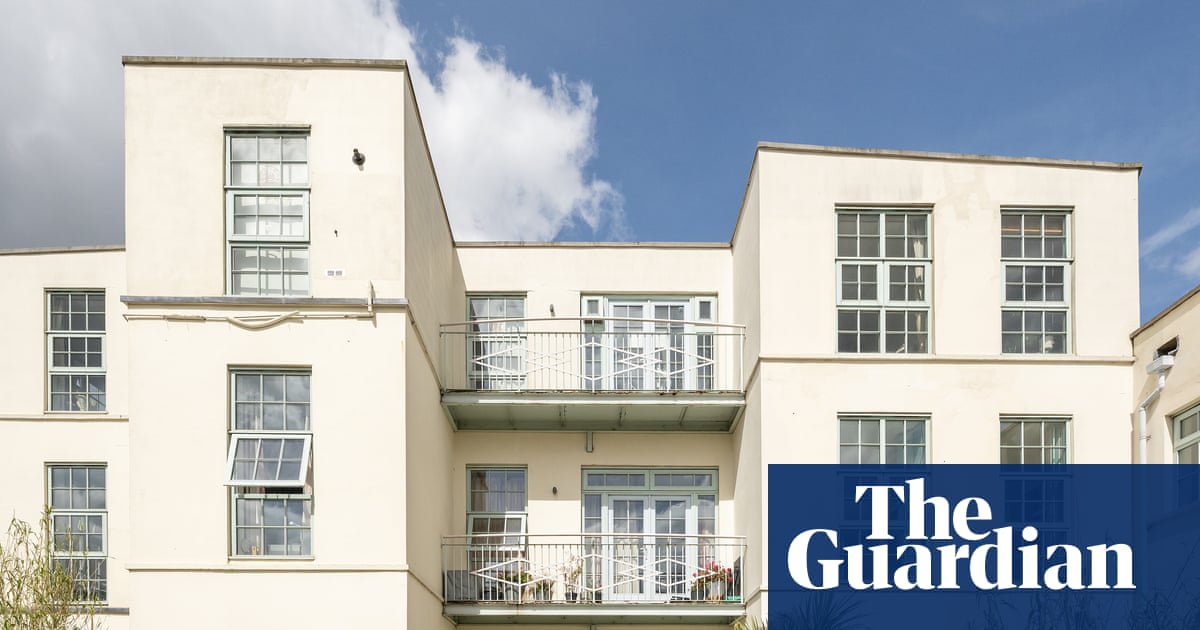
The premium commanded by architecturally distinctive properties has reached compelling levels across England and Scotland, with art deco and modernist flats achieving 15-25% price uplifts over comparable standard housing stock. From converted art deco hotels in Glasgow to brutalist apartments in London's Barbican Estate, these properties represent a distinct asset class that professional investors increasingly recognise for both capital appreciation and rental premium potential. The trend reflects a broader shift towards experiential living and the growing sophistication of UK property buyers who value design heritage alongside location fundamentals.
Glasgow's art deco conversion market exemplifies this premium dynamic, where former commercial buildings transformed into residential units achieve average prices 18% above the city's median flat values. The Scottish city's abundance of 1930s architecture, combined with lower baseline property prices, creates exceptional value propositions for investors seeking architectural character without London premiums. Similar patterns emerge across Manchester's Northern Quarter and Birmingham's Jewellery Quarter, where converted art deco buildings command rental yields of 6-8% whilst delivering superior capital growth rates. These regional centres offer institutional-grade architectural stock at entry points that remain accessible to mid-tier property investors.
London's Barbican Estate continues to demonstrate the investment case for modernist residential property, with recent sales data showing 22% annual price growth compared to 8% across broader Zone 1 markets. The estate's 2,000+ flats benefit from Grade II listing protection, ensuring scarcity value whilst the Corporation of London's management maintains exceptional build quality and communal facilities. Barbican apartments now average £850 per square foot, reflecting both central location premiums and the specific appeal of Chamberlin, Powell & Bon's architectural legacy. This pricing trajectory positions the estate as a hedge against mainstream market volatility, with institutional investors increasingly viewing brutalist architecture as a defensive asset class.
The rental market dynamics for architectural properties reveal compelling fundamentals for buy-to-let investors, particularly in university cities where design-conscious tenants willingly pay premiums for distinctive accommodation. Leeds and Newcastle show particularly strong performance, with modernist conversions achieving 12-15% rental premiums over standard city centre flats. Corporate tenants and relocating professionals represent the core demographic, valuing architectural significance as lifestyle differentiation. This tenant profile typically offers longer tenancy periods and reduced void rates, improving investment returns beyond basic yield calculations.
Commercial conversion opportunities in the architectural property sector present significant development potential, especially as office-to-residential permitted development rights facilitate adaptive reuse projects. Surrey's modernist office buildings from the 1960s-70s offer particular promise, with planning authorities increasingly supportive of residential conversions that preserve architectural merit. Development finance for such projects commands preferential terms, with lenders recognising the proven market demand for characterful housing stock. The conversion pipeline suggests this architectural premium will strengthen rather than diminish as new supply remains constrained by heritage protections.
Market forecasting indicates architectural properties will continue outperforming mainstream housing across key metrics over the next twelve months. Rising construction costs and planning restrictions on new builds enhance the relative appeal of existing architectural stock, whilst inflation hedge characteristics become increasingly valuable to institutional investors. The demographic shift towards experience-led consumption supports sustained rental demand, particularly in city centres where architectural properties cluster. Capital appreciation prospects remain strong, supported by finite supply and growing recognition of mid-century architecture's investment credentials.
Professional property investors should recognise architectural character as a quantifiable premium factor rather than subjective design preference. The evidence demonstrates consistent outperformance across multiple markets and property types, driven by both supply constraints and evolving buyer preferences. This premium reflects genuine market fundamentals rather than speculative pricing, positioning architectural properties as core holdings for diversified property portfolios seeking both income generation and capital protection.
Key Takeaways
- Art deco and modernist properties command consistent 15-25% price premiums over comparable standard stock across UK markets
- Glasgow, Manchester, and Birmingham offer exceptional value entry points for architectural property investment with yields of 6-8%
- London's Barbican Estate demonstrates the defensive investment qualities of listed modernist housing with 22% annual price growth
- Rental premiums of 12-15% in university cities reflect strong tenant demand from design-conscious professionals and corporates


