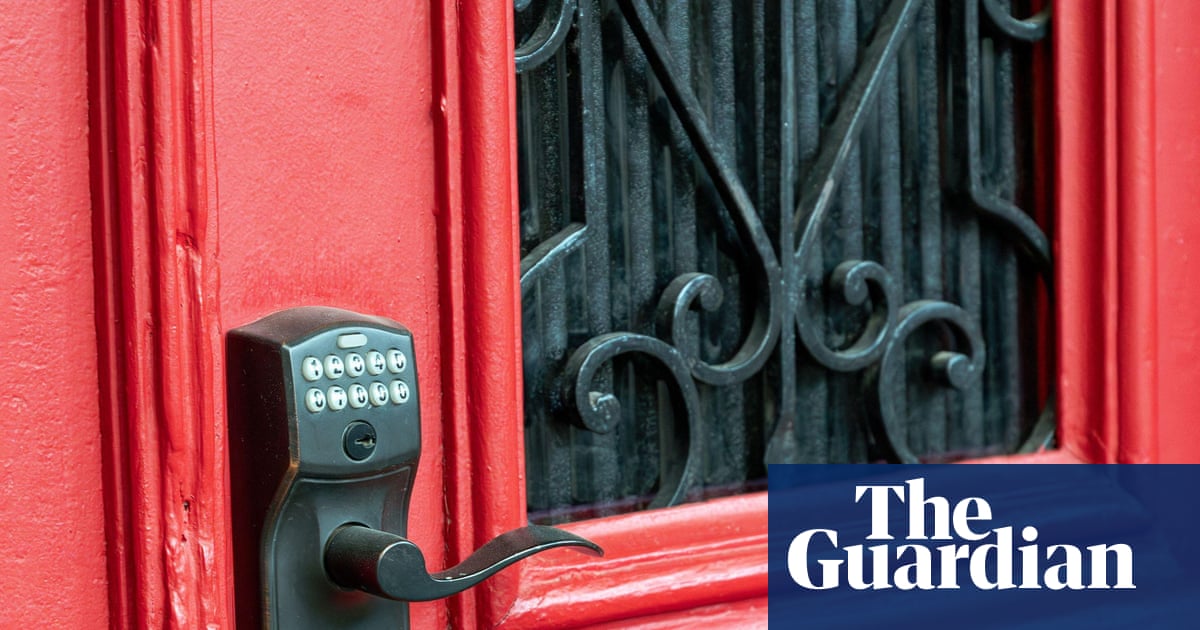
British homeowners are increasingly swapping traditional keys for tech-enabled locks that open via smartphone, fob, fingerprint or keypad, as Guardian reported. The appeal is obvious: no more fumbling for keys in the dark evenings, no more cutting spare copies for family or tradespeople, and a sense that a digital barrier is harder to defeat than a Yale cylinder. But the report carries a pointed warning that matters far beyond the individual homeowner fitting a new front door fixture: install the wrong lock, or fail to check the small print on your buildings and contents policy, and you risk invalidating your insurance altogether.
For the UK property sector, this is not a trivial consumer story. Front door security sits at the intersection of two things every landlord, developer and homeowner cares about: asset protection and insurability. A property that cannot be insured, or whose insurance can be contested after a break-in because of an unapproved lock, is a property carrying hidden risk. As smart locks move from early-adopter gadget to mainstream fitting, the question of compatibility between hardware and insurer requirements becomes a due diligence issue rather than a lifestyle choice.
The practical complication, as the source piece makes clear, is that not every smart lock suits every door, and insurers have historically been precise about the type of locking mechanism they expect on an insured property. A homeowner who replaces a multi-point locking system with a keyless unit that does not meet the same specification could find themselves unwittingly outside the terms of their policy. This is a particularly live issue for buy-to-let landlords, who are often several steps removed from the physical property and reliant on managing agents or tenants to maintain compliant security. A landlord who approves or installs a smart lock without first confirming it satisfies the insurer's lock standard could be exposed at the exact moment cover is needed most: after a break-in.
There is also a generational and behavioural shift worth noting. Keyless entry has obvious appeal for houses in multiple occupation, student lets and short-term holiday rentals, where codes or fobs can be reissued remotely without the cost and hassle of rekeying a lock between tenancies. For portfolio landlords managing properties across cities such as Manchester, Birmingham, Leeds, Liverpool, Newcastle and London, the operational efficiency of being able to grant and revoke access digitally is genuinely attractive. But that same convenience increases the number of parties, tenants, cleaners, contractors, guests, who may have some form of access, which insurers may view as a heightened risk factor rather than a mitigant.
Developers and conveyancers should also take note. As smart locks become a standard feature marketed in new-build specifications, particularly in London and Surrey developments aimed at tech-conscious buyers, the industry needs consistency between what is fitted as standard and what insurers will actually recognise. A developer that installs keyless entry across an entire block as a selling point, only for individual leaseholders to discover their contents insurance is compromised, creates a reputational and potentially legal headache that could have been avoided with earlier coordination between manufacturers, installers and insurance providers.
Over the next six to twelve months, PropertyNews expects scrutiny of smart lock compatibility to intensify as more households make the switch during the darker autumn and winter months, traditionally when burglary concerns and home security spending both rise. Buy-to-let landlords should treat any smart lock installation as a compliance task, not a convenience upgrade, confirming with their insurer in writing that the chosen device meets policy requirements before fitting. First-time buyers inheriting a smart lock from a previous owner should likewise verify its status rather than assuming continuity of cover. Commercial investors overseeing multi-let buildings face the largest exposure, given the sheer number of access points and users involved, and should build lock certification into their property management protocols rather than leaving it to individual tenants or agents to resolve.
The broader lesson for the market is that convenience technology and insurance frameworks are not always moving at the same pace. Smart locks are a sensible, forward-looking investment in home security, but only when chosen and installed with the insurer's requirements as the starting point, not an afterthought. Property owners who get this sequencing wrong risk discovering, at the worst possible moment, that their upgrade has left them less protected rather than more.


