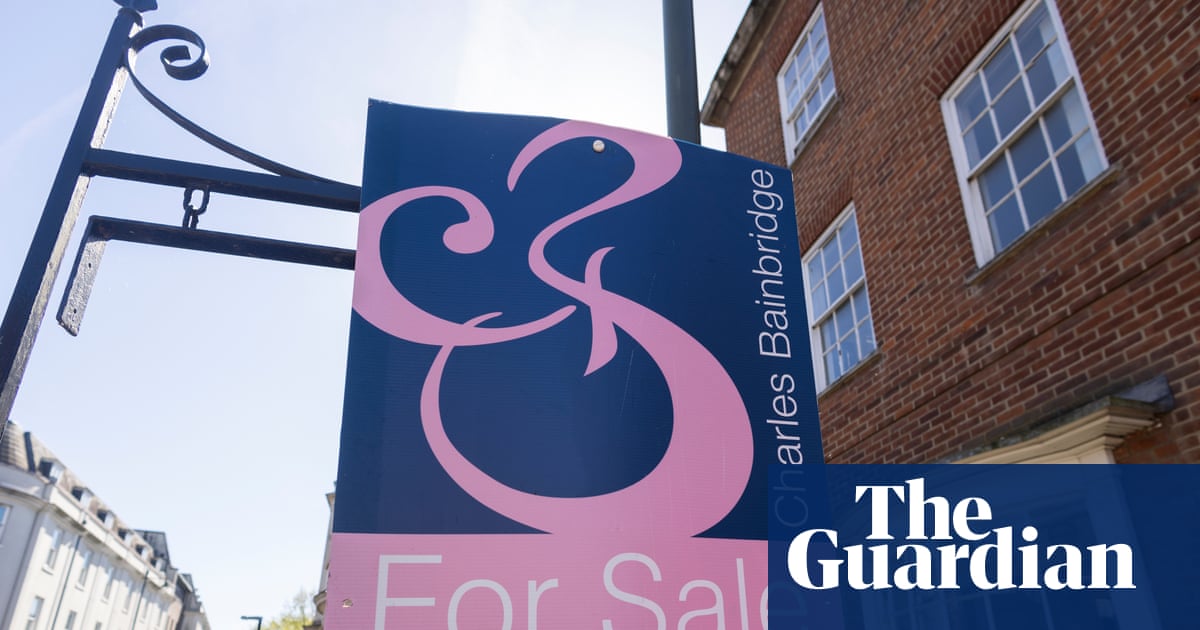
The UK housing market has ground to a near-standstill as escalating tensions in the Middle East trigger a sharp rise in mortgage rates, creating what estate agents describe as a "fear paralysis" among buyers and sellers. Canterbury, traditionally insulated from geopolitical shocks by its cathedral city status and proximity to London, exemplifies the broader malaise gripping regional markets as uncertainty over Iran's involvement in regional conflict sends gilt yields soaring and mortgage lenders scrambling to reprice their books.
The transmission mechanism from Middle Eastern geopolitics to British housing operates through bond markets, where investors flee to safety amid fears of oil supply disruption and broader economic instability. This flight has pushed 10-year gilt yields up by approximately 45 basis points since conflict escalation began, directly feeding through to mortgage pricing as lenders face higher funding costs. Canterbury estate agents report that agreed sales are collapsing at twice the normal rate, with buyers either losing mortgage offers or facing rate increases that render purchases unviable. This pattern is mirrored across secondary cities including Birmingham, where new buyer registrations have dropped 35% month-on-month, and Leeds, where time-to-sale has extended beyond 16 weeks.
The mathematics of mortgage affordability reveal why seemingly modest rate increases create such dramatic market disruption. A household borrowing £350,000 over 25 years faces monthly payments rising from £1,576 at 3.5% to £1,784 at 4.5% – an increase of £208 that pushes many beyond lending criteria. In Manchester's commuter belt, where average house prices hover around £285,000, this dynamic has effectively priced out first-time buyers whose maximum borrowing capacity assumed rates would remain below 4%. The ripple effects extend to buy-to-let investors, particularly those with interest-only mortgages, where rate increases directly erode yield margins that were already compressed by recent tax changes.
Regional markets display varying degrees of vulnerability to this mortgage-driven correction. London's prime central zones, sustained by international capital and cash buyers, show greater resilience than anticipated, though transaction volumes remain subdued. Conversely, northern cities including Liverpool and Newcastle, where mortgage dependency runs above 85% of transactions, face more severe disruption. Surrey's commuter towns present a particular case study in market stress, as highly leveraged buyers who stretched affordability during the pandemic's low-rate environment now confront refinancing at rates potentially 200-300 basis points higher than their initial fixes.
Commercial property markets face parallel pressures through different channels. Office developments in Birmingham and Manchester, financed through variable-rate construction loans, encounter immediate cost inflation that threatens project viability. Retail property investors discover that higher borrowing costs coincide with tenant distress as consumer spending contracts in response to geopolitical uncertainty. The build-to-rent sector, which expanded rapidly on cheap debt assumptions, must now reassess acquisition strategies as yields compress between higher financing costs and rental growth constraints.
The trajectory of this market disruption depends critically on geopolitical developments over the coming quarter. Should Middle Eastern tensions escalate further, particularly involving direct confrontation between Iran and Western allies, gilt yields could reach levels that effectively freeze mortgage lending for all but the most creditworthy borrowers. Conversely, diplomatic resolution could see rates moderate, though the Bank of England's underlying monetary policy stance suggests a floor around 4% for mainstream mortgage products. This environment favours cash-rich investors and developers who can exploit distressed opportunities, while highly leveraged market participants face an extended period of reduced liquidity and falling asset values.
The current crisis exposes fundamental vulnerabilities in a housing market that became addicted to ultra-low borrowing costs during the post-financial crisis period. Unlike previous corrections driven by domestic policy errors or economic cycles, this geopolitically-induced shock demonstrates how global instability can rapidly undermine local property markets through financial transmission mechanisms. Recovery will require not merely rate stabilisation but renewed confidence among leveraged participants that borrowing costs will remain predictable – a confidence that current global uncertainties make increasingly difficult to sustain.
Key Takeaways
- Middle East tensions have triggered mortgage rate increases of 100+ basis points, freezing regional housing markets from Canterbury to Manchester
- Highly mortgaged markets in northern England face severe disruption, while London's cash-buyer segments show greater resilience
- Commercial property development and build-to-rent sectors confront immediate financing cost inflation threatening project viability
- Cash-rich investors gain significant competitive advantage as leveraged participants retreat from acquisition markets


