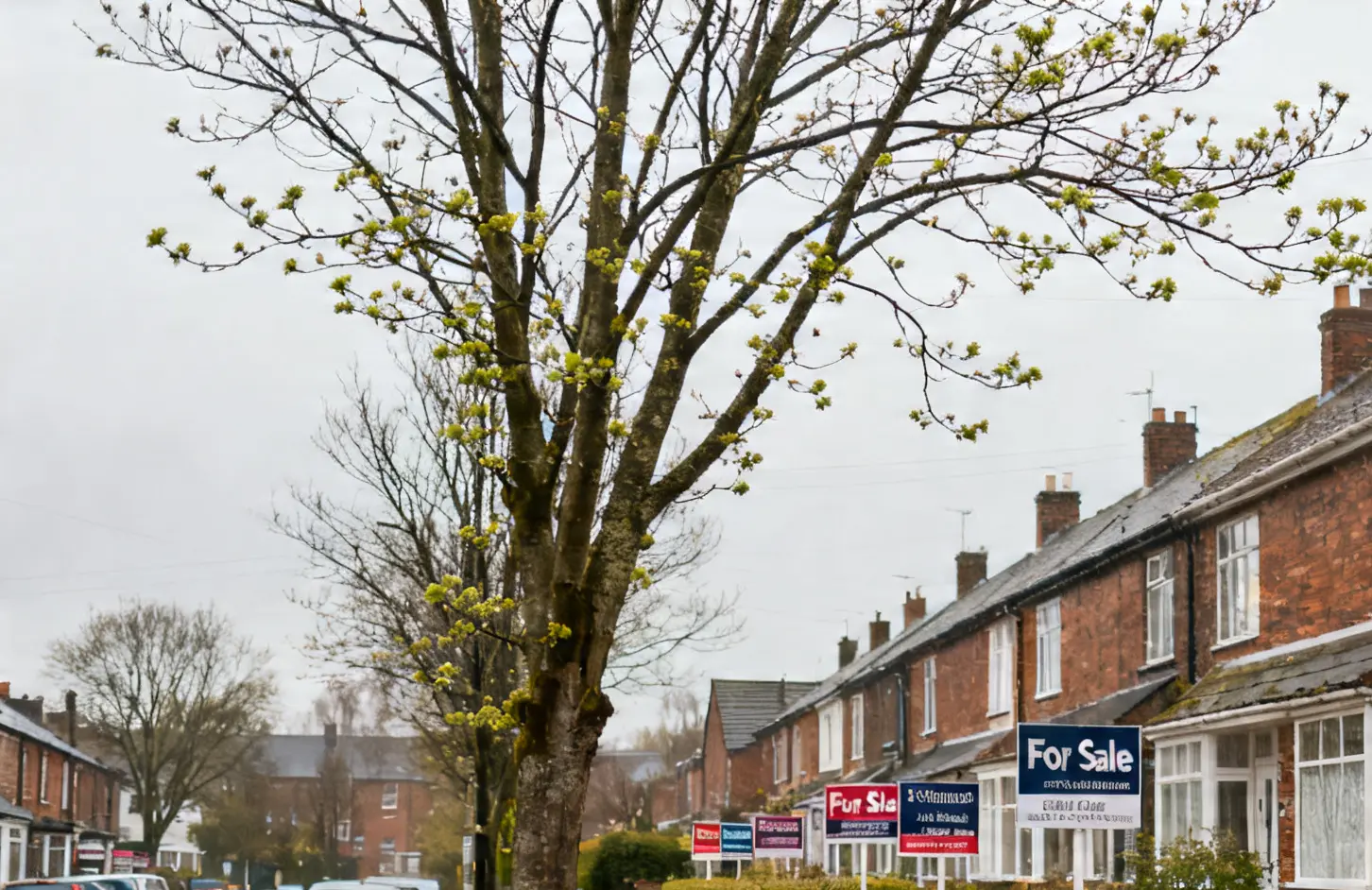
The UK property market's nascent recovery has ground to a halt in early 2026, with transaction volumes falling 8% below previous year levels despite a modest 3% increase in new listings. This divergence between supply and demand signals a fundamental shift in market dynamics, one that will reshape pricing expectations and force investors to recalibrate their strategies across multiple asset classes. The combination of elevated inventory levels and subdued buyer activity creates conditions not seen since the immediate aftermath of the 2008 financial crisis.
Regional variations in this trend are becoming increasingly pronounced, with secondary cities bearing the brunt of the slowdown. Manchester and Birmingham, previously buoyant markets for both owner-occupiers and buy-to-let investors, are experiencing inventory buildups that suggest price corrections of 5-8% over the next six months. Leeds and Newcastle face similar pressures, whilst Liverpool's already depressed pricing appears to be finding a floor. London's prime boroughs continue to attract international capital, but even here, properties priced above £2 million are languishing on the market for an average of 127 days - up from 89 days in Q4 2025.
Buy-to-let investors are confronting a perfect storm of challenges that extends well beyond the current transaction drought. With rental yields in many markets now struggling to cover mortgage costs at current rates, landlords are increasingly bringing properties to market rather than refinancing. This exodus represents approximately 23% of current listing activity, according to industry estimates, creating downward pressure on both sales and rental markets simultaneously. The phenomenon is particularly acute in Surrey and outer London commuter towns, where leveraged landlords purchased at peak valuations during the 2021-2022 boom.
First-time buyers, theoretically positioned to benefit from increased choice and eventual price moderation, remain largely sidelined by affordability constraints. Despite the uptick in available properties, mortgage accessibility has tightened considerably, with lenders now requiring deposit levels averaging 17% compared to 12% eighteen months ago. This credit squeeze effectively neutralises the benefits of increased supply for the demographic most needed to restore market liquidity. Regional variations are stark: whilst a £200,000 property in Newcastle might still be accessible to local first-time buyers, equivalent properties in southern markets require household incomes exceeding £75,000.
Commercial property investors face their own set of challenges as the residential market's troubles ripple through the broader economy. Office-to-residential conversion opportunities, previously a lucrative niche, have diminished as residential values compress towards commercial baseline pricing. Development finance has become increasingly scarce, with several major lenders pulling back from speculative residential schemes entirely. This financing drought will constrain new supply additions through 2027, potentially setting up a supply shortage once current inventory levels normalise.
The forward trajectory appears increasingly clear: a prolonged adjustment period lasting through Q3 2026, followed by gradual stabilisation as pricing reaches levels that restore buyer confidence. Properties priced accurately - typically 8-12% below peak 2024 valuations - are still achieving sales, suggesting the market retains underlying functionality despite volume constraints. However, vendors clinging to inflated price expectations face extended marketing periods and ultimate disappointment.
This market recalibration represents more than a cyclical downturn; it marks the end of a speculative era fuelled by ultra-low interest rates and pandemic-driven demand distortions. Professional investors who recognise this shift and position accordingly - whether through opportunistic acquisitions, portfolio optimisation, or strategic market exits - will emerge strengthened when conditions normalise. Those who remain in denial about the scale of adjustment required will find themselves increasingly isolated in an unforgiving marketplace.
Key Takeaways
- Transaction volumes down 8% despite 3% rise in listings signals fundamental supply-demand imbalance requiring price corrections of 5-8% in secondary cities
- Buy-to-let landlords driving 23% of current listings as rental yields fail to cover mortgage costs, creating dual pressure on sales and rental markets
- First-time buyers remain sidelined despite increased choice, with deposit requirements rising to 17% average and income thresholds exceeding £75,000 in southern markets
- Market adjustment will extend through Q3 2026 before stabilisation, with accurately priced properties (8-12% below 2024 peaks) still achieving sales


