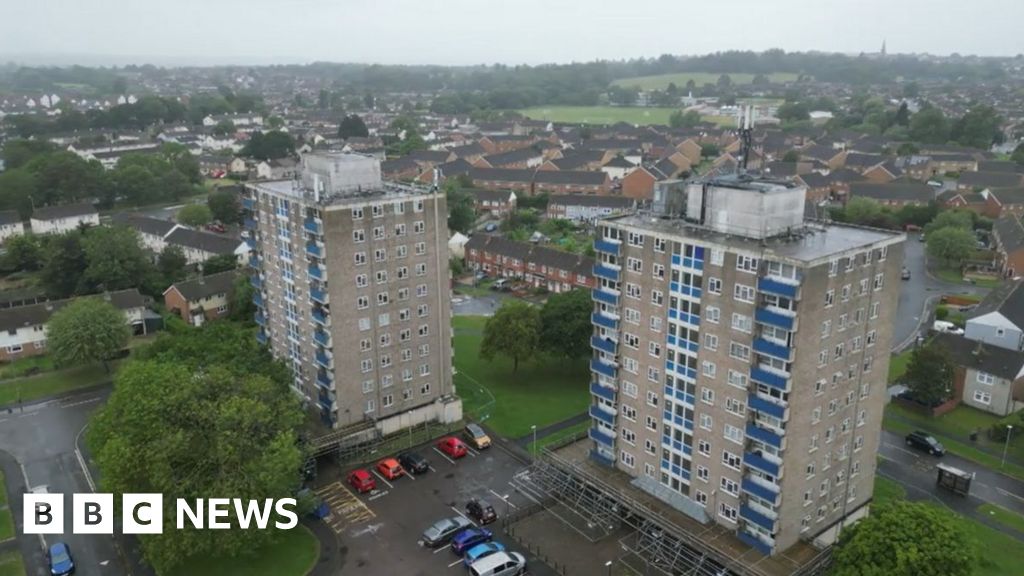
The persistent paralysis gripping Britain's tower block market has crystallised into a £15 billion crisis that continues to strangle property values and destroy investor confidence across major urban centres. Six years after the Grenfell Tower tragedy exposed systemic fire safety failures, an estimated 650,000 leaseholders remain trapped in flats they cannot sell, remortgage, or exit - creating one of the most severe liquidity crunches in modern UK property history. The human cost, embodied by residents describing their predicament as 'living in limbo', reflects a deeper structural problem that has effectively removed entire asset classes from the investment market.
The financial implications extend far beyond individual hardship, with mortgage lenders maintaining blanket restrictions on properties lacking External Wall System (EWS1) certificates or adequate fire safety documentation. Analysis of Land Registry data reveals that transaction volumes for flats in buildings above 18 metres have collapsed by 78% since 2019, with average completion times extending from 8 weeks to over 6 months where sales do proceed. In Manchester's city centre, previously buoyant developments in Salford Quays and Spinningfields have seen asking prices fall by up to 25%, while Birmingham's Eastside regeneration zone faces similar valuation pressure as investors abandon the sector entirely.
The remediation funding landscape, despite government intervention through the Building Safety Fund and developer levies, remains woefully inadequate to address the scale of required works. Conservative estimates suggest £12 billion is needed for cladding replacement alone, yet current funding commitments cover barely half this amount. Freeholders and managing agents report that even buildings with approved remediation plans face 18-24 month delays for contractor availability, while material costs have surged 40% since the programmes were announced. This bottleneck has created a two-tier market where buildings with completed remediation command significant premiums - often 15-20% above pre-crisis valuations - while unremediated stock becomes increasingly unmarketable.
Buy-to-let investors have borne disproportionate losses, with many facing negative equity positions that prevent portfolio refinancing or strategic exits. The crisis has been particularly acute in London's developments along the Thames corridor and in emerging areas like Nine Elms, where international investors purchased off-plan expecting capital appreciation. Liverpool's waterfront developments and Leeds' South Bank regeneration projects similarly attract investor interest that has now evaporated, leaving rental yields compressed by falling capital values even where rental income remains stable. Portfolio landlords report that lenders now apply blanket exclusions to tower block properties regardless of their fire safety status, effectively freezing refinancing options.
The commercial implications ripple through the broader development sector, with housebuilders increasingly avoiding mid-rise and high-rise projects despite acute housing shortages in urban centres. Planning applications for buildings above six storeys have fallen 45% nationally, with developers citing both construction cost inflation and end-buyer financing difficulties. This supply constraint will inevitably tighten housing availability in city centres where tower blocks previously provided essential density, potentially driving rents higher while simultaneously undermining capital values for existing stock. Newcastle's ambitious regeneration plans and Surrey's strategic developments face similar recalibration as risk-averse funders retreat from the sector.
Looking ahead through 2024, the crisis shows limited signs of resolution despite regulatory reforms through the Building Safety Act. The new building safety regime, while comprehensive, introduces additional compliance costs and liability frameworks that further discourage investment in existing tower block stock. Market participants anticipate a bifurcated recovery, with premium developments in prime locations achieving remediation and recovering value, while secondary stock in peripheral areas may face permanent discount or conversion to alternative uses. The emergence of specialist distressed property funds targeting unremediated stock suggests institutional investors increasingly view this as a long-term value opportunity, albeit one requiring substantial capital reserves and extended hold periods.
This unprecedented market disruption represents more than a temporary correction - it signals a fundamental repricing of high-rise residential risk that will persist well beyond the immediate remediation crisis. Investors must now factor fire safety compliance as a permanent component of due diligence, while the concentration of unmarketable stock in specific urban areas threatens to undermine broader regeneration strategies that depend on residential values to cross-subsidise infrastructure investment.
Key Takeaways
- 650,000 leaseholders trapped in unsaleable flats worth £15bn, with transaction volumes down 78% since 2019
- Remediation funding gaps and 18-24 month contractor delays prevent market recovery despite government intervention
- Buy-to-let investors face refinancing blocks and negative equity, particularly in Manchester, Birmingham, and London developments
- Planning applications for tower blocks down 45% as developers abandon the sector, constraining future urban housing supply


