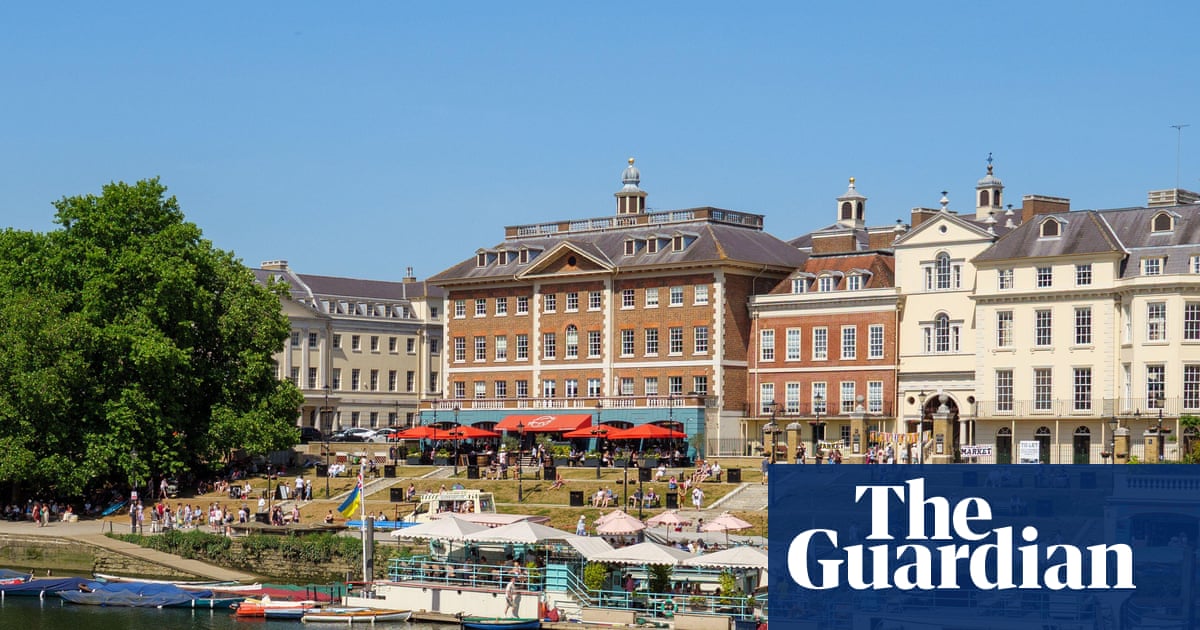
Rightmove has named the London Borough of Richmond upon Thames as Britain's happiest place to live, according to the property portal's research into resident satisfaction. The finding, reported in the Guardian, places a leafy south-west London borough with roots stretching back to the early 16th century, when Henry VII built Richmond Palace there, at the top of a list that will be closely studied by anyone trying to understand what makes a location desirable in 2025.
For UK property investors and landlords, happiness indices of this kind matter more than they might first appear to. Resident satisfaction is a proxy for the intangible qualities that drive long-term demand: good schools, green space, transport links, a sense of community and local amenities that keep people in place for years rather than months. Areas that score highly on these measures tend to see more stable occupancy for landlords, stronger buyer competition when properties do come to market, and greater resilience in values during wider market downturns. In other words, a happiness ranking is rarely just a lifestyle story. It is a leading indicator of where demand will concentrate.
The Guardian's piece flags a catch for anyone tempted to relocate to this particular borough, though the detail of that complication is not spelled out in the material available. PropertyNews analysis would suggest the most plausible candidate is cost: boroughs with Richmond's combination of riverside setting, period housing stock and proximity to central London have historically commanded a significant premium over the London average, and areas that top satisfaction surveys often become victims of their own popularity as demand pushes pricing further out of reach for first-time buyers. That dynamic, if it holds here, would be entirely consistent with patterns seen in other high-amenity London boroughs over the past decade.
The implications differ sharply depending on who is reading this story. Buy-to-let landlords with existing stock in Richmond are likely to see this kind of recognition as reinforcing confidence in tenant demand and rental stability, even if gross yields remain modest relative to higher-growth regional cities. First-time buyers, by contrast, may find the borough's status as a reported happiness leader a source of frustration rather than opportunity, since the attributes that make a place desirable are precisely the ones that tend to push prices upward and out of reach for those without substantial deposits or existing equity.
Commercial investors and developers should read the Richmond story alongside the broader question of where else in the country similar dynamics might be building. Manchester, Birmingham, Leeds, Liverpool and Newcastle have all seen significant regeneration investment in recent years, and each has areas where quality of life indicators are improving alongside infrastructure spend. Surrey, sitting just beyond Richmond's borough boundary and sharing some of its green, riverside character, is another market worth watching for developers seeking to replicate the ingredients that appear to drive satisfaction in Richmond without the acute affordability pressure of inner London.
Over the next six to twelve months, expect surveys and indices of this kind to feature more prominently in how agents and developers market new schemes, particularly as buyers increasingly prioritise wellbeing and community alongside pure capital growth. Portals such as Rightmove are well placed to shape this narrative given their access to large-scale resident data, and PropertyNews expects further regional happiness rankings to emerge as a marketing and research tool across the industry. Investors should treat these rankings as one input among many rather than a standalone buy signal, cross-referencing them against hard data on transaction volumes, rental yields and planning activity before committing capital.
The broader lesson from Richmond's crowning is that desirability and affordability are increasingly pulling in opposite directions across the UK's most sought-after locations. For a borough that has carried prestige since Henry VII chose it for a royal palace five centuries ago, that tension is nothing new, but it is a reminder to today's buyers and investors that the happiest postcodes are rarely the cheapest, and that any strategy built around chasing quality of life must also reckon honestly with the premium attached to it.
Key Takeaways
- Rightmove's research names Richmond upon Thames as Britain's happiest place to live, based on resident satisfaction data reported by the Guardian.
- Happiness and satisfaction indices can act as leading indicators of long-term rental and sales demand, making them relevant beyond lifestyle journalism for landlords and investors.
- PropertyNews analysis suggests affordability is the likely catch referenced for prospective movers, consistent with patterns in other high-amenity London boroughs, though this is inference rather than a confirmed source detail.
- Investors should treat happiness rankings as a supplementary data point, cross-checking against transaction volumes and yield data in regional markets such as Manchester, Birmingham, Leeds, Liverpool, Newcastle and Surrey before making investment decisions.