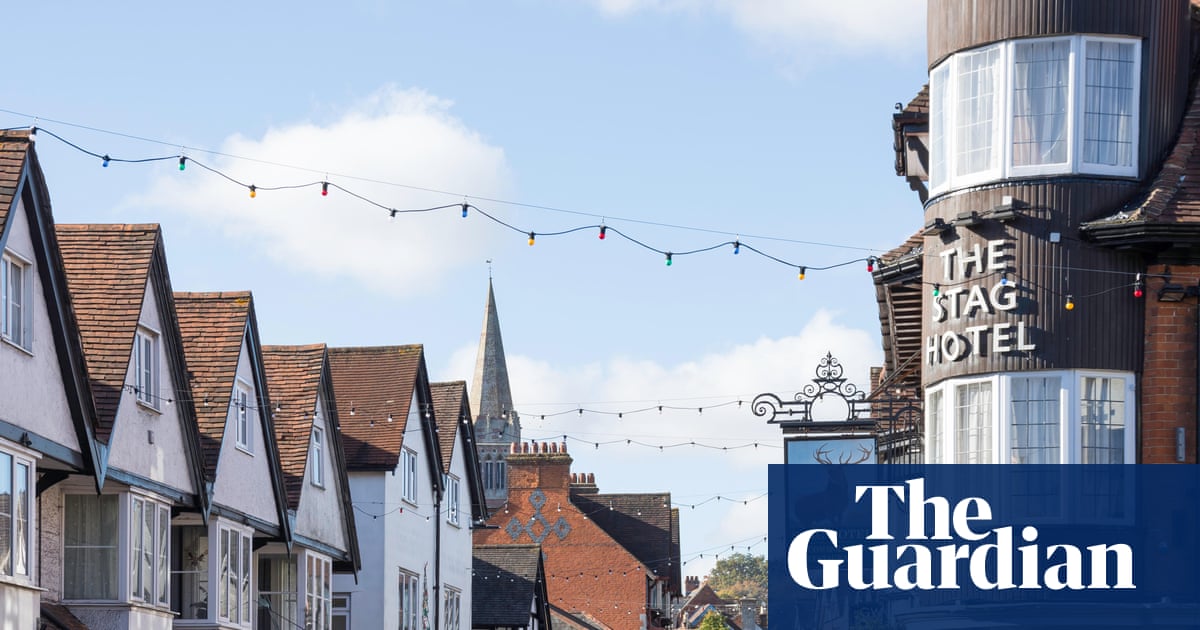
Owning a home within one of Britain's national parks now costs, on average, 24% more than a comparable property outside their boundaries, according to new research from Nationwide, the UK's largest building society. The premium extends beyond the parks themselves: buyers are paying a further 6% uplift simply for being within three miles of a designated national park, while properties in England and Wales's protected 'national landscapes' - the areas formerly known as Areas of Outstanding Natural Beauty - attract a 14% premium of their own. The New Forest, straddling Hampshire and edging towards the Dorset and Wiltshire borders, has been identified as the single most expensive national park in which to buy.
For UK property investors, this data crystallises something the market has long sensed but rarely quantified so precisely. Scarcity of land, tight planning controls, and the enduring cachet of rural and coastal living have combined to produce a durable price floor beneath these markets, one that has proved remarkably resistant to the broader volatility affecting the mainstream housing market since 2022. Where average UK house prices have wobbled under the weight of higher mortgage rates and squeezed affordability, national park property has continued to command a scarcity premium, reflecting genuinely constrained supply rather than speculative froth. That distinction matters enormously for anyone assessing risk-adjusted returns in 2026 and beyond.
The planning regime is central to understanding why this premium exists and why it is unlikely to erode. National parks in England and Wales - including the Lake District, Peak District, Yorkshire Dales, Dartmoor, Exmoor, Snowdonia (Eryri), Pembrokeshire Coast and Northumberland - operate under some of the most restrictive development controls in the country. New housing supply within their boundaries is deliberately limited to protect landscape character, meaning demand from affluent downsizers, second-home buyers and lifestyle relocators chases an almost fixed stock of homes. This is a structurally different dynamic to cities such as Manchester, Birmingham or Leeds, where planning reform, brownfield regeneration and high-density schemes can, in principle, expand supply to meet demand. In the national parks, they largely cannot.
The regional implications are significant. Buyers priced out of the Lake District or the Peak District - the latter within commuting distance of both Manchester and Sheffield - are increasingly extending their search radius, pushing up values in gateway towns just outside park boundaries, which is precisely where Nationwide's 6% 'halo effect' premium is being captured. Estate agents in towns bordering Northumberland National Park report growing interest from Newcastle-based buyers seeking weekend retreats, while the Yorkshire Dales continues to draw wealth from both Leeds and Manchester. In the south, the New Forest's premium is reinforced by its proximity to Southampton, Bournemouth and the wider Surrey commuter belt, giving it a dual appeal as both a lifestyle destination and a viable base for hybrid working professionals still tethered to London.
For buy-to-let landlords and portfolio investors, the analysis cuts two ways. On one hand, capital appreciation in these markets has historically outpaced the national average over the long term, supported by inelastic supply - a compelling case for wealth preservation. On the other, rental yields in national parks tend to be structurally lower, dragged down by high purchase prices, seasonal tourism dynamics, and, increasingly, local authority restrictions on second homes and short-term lets designed to protect housing for local workers. The Lake District and Cornwall have already introduced premium council tax rates on second homes, and further councils covering national landscapes are expected to follow. Investors chasing yield rather than capital growth should therefore look to the three-mile 'halo' zones rather than the parks themselves, where the 6% premium is a fraction of the core park uplift but proximity benefits remain largely intact.
Looking ahead, the next six to twelve months are likely to see this premium hold firm or widen modestly, rather than compress. Mortgage rates are gradually easing, freeing up affordability headroom precisely as buyer sentiment towards lifestyle and rural relocation continues to recover from its post-pandemic lull. Developers, meanwhile, remain almost entirely locked out of these markets by design, which means no meaningful supply response should be expected regardless of how strong demand becomes. First-time buyers will continue to be squeezed to the margins of national park economies, reinforcing a demographic shift towards older, wealthier, often outright-cash purchasers - a trend with long-term implications for local labour markets and housing policy that planners and councils will need to confront more urgently than they have so far.
Key Takeaways
- Properties inside UK national parks command a 24% average premium, with the New Forest the most expensive market, according to Nationwide.
- A 6% 'halo effect' premium applies within three miles of park boundaries - a potentially better entry point for yield-focused investors.
- Restrictive planning controls mean supply cannot respond to demand, making this premium structurally durable rather than cyclical.
- Buy-to-let landlords should weigh strong long-term capital growth against low rental yields and rising second-home council tax levies in these areas.


