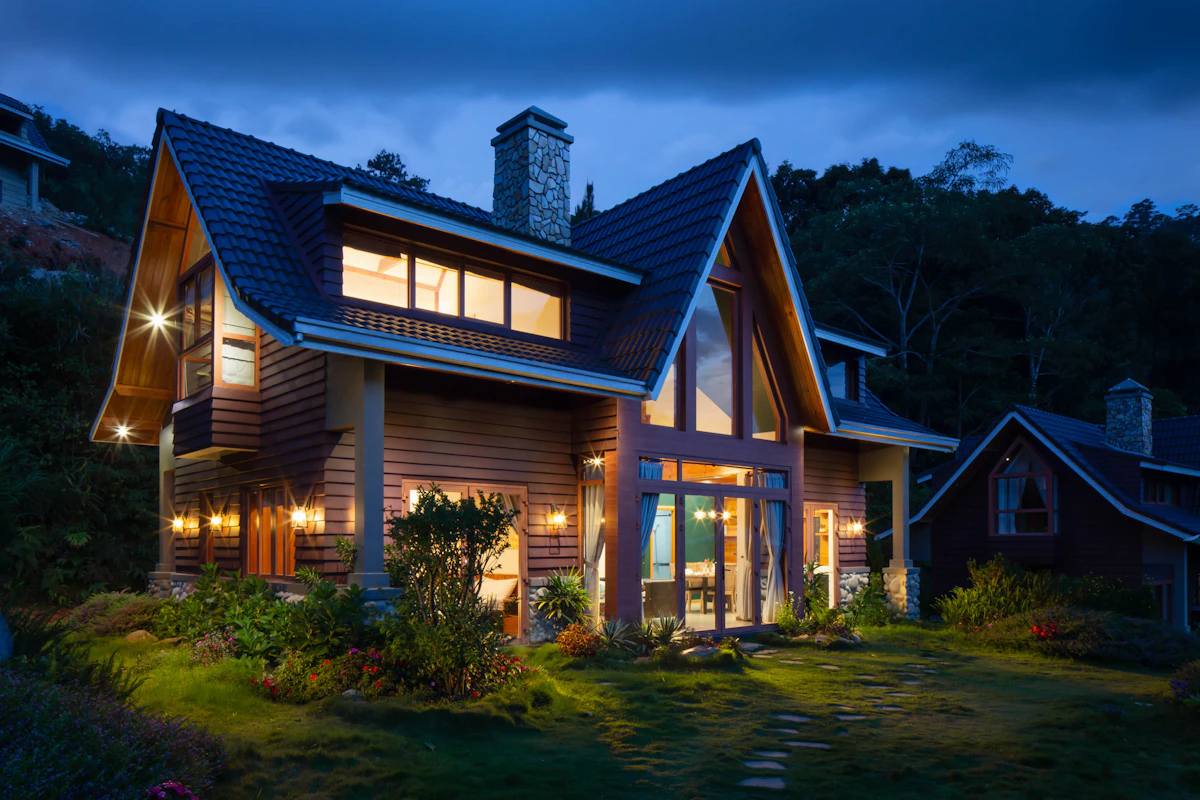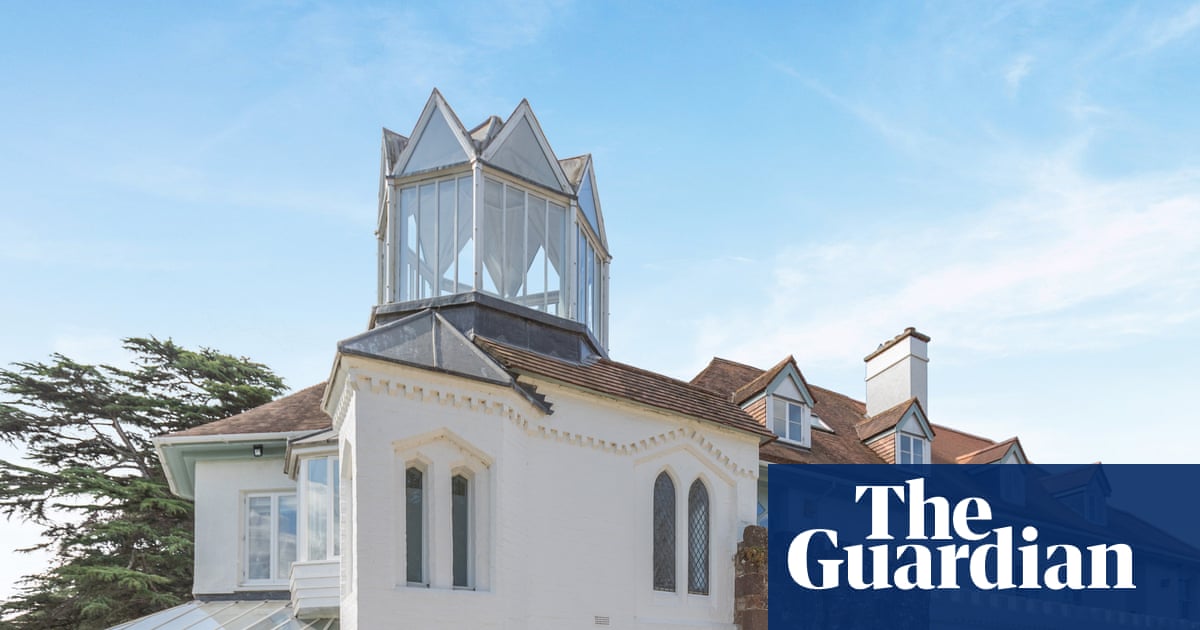
A gallery published by the Guardian this week showcases a striking cross-section of England's property market: light-filled homes for sale ranging from a grand house resembling a miniature fantasy castle to a converted Methodist chapel. On the surface this is a lifestyle feature, the kind of visually driven content that property pages run to showcase architectural character. But for investors and professionals reading the UK market with a more analytical eye, the recurring theme across these listings, namely natural light, unusual conversions and distinctive period features, points to a persistent and increasingly important segment of demand that cuts across the standard housing market narrative of rates, affordability and supply constraints.
The inclusion of a converted chapel alongside a castle-style property is not accidental. Across England, non-standard conversions, whether former places of worship, industrial buildings or agricultural structures, have become a recognisable sub-market in their own right. These properties typically command attention disproportionate to their numbers because they combine scarcity with the kind of architectural drama that generic new-build stock cannot replicate. For professional investors and developers, this matters because it reinforces a long-running lesson of the English housing market: character and light are not cosmetic extras but genuine value drivers, particularly in a period when buyers have become more discerning about what they are willing to compromise on after years of hybrid working reshaped expectations of home.
Regionally, this trend plays out unevenly. London and Surrey have long sustained a premium for characterful conversions given the density of period building stock and the depth of affluent buyer demand willing to pay for individuality. In cities such as Manchester, Leeds, Liverpool and Newcastle, where industrial and ecclesiastical buildings are more plentiful, chapel and mill conversions have historically offered developers a route to differentiate schemes in competitive urban markets, often appealing to buyers who want period character without leaving city-centre convenience behind. Birmingham, too, has seen a steady appetite for adaptive reuse projects as planners and developers look to repurpose underused heritage buildings rather than demolish them, a trend that aligns with broader sustainability pressures across the development sector.
For buy-to-let landlords, the appeal of light-filled, characterful properties is more nuanced than for owner-occupiers. Such homes can command strong tenant interest and reduce void periods, particularly among professional tenants seeking something distinctive from standard rental stock, but they often come with higher maintenance costs and planning restrictions, especially where listed status or conservation area rules apply. Landlords considering acquisitions in this niche need to weigh the premium rental appeal against the practical realities of maintaining older fabric, heritage glazing and non-standard layouts, costs that are easy to underestimate when a property's visual charm is the primary draw.
First-time buyers are less likely to be the natural audience for fantasy-castle-style homes or grand chapel conversions, which typically sit at the upper end of the market, but the broader principle still matters to this group. As the Guardian's gallery illustrates, buyers across the price spectrum increasingly prioritise light and distinctive character, a preference that estate agents report shapes decisions even among more modest purchases. For developers and housebuilders, this is a signal worth heeding: schemes that incorporate genuine natural light, generous glazing and a point of architectural interest are likely to outperform anonymous stock in buyer sentiment, even if construction costs are marginally higher.
Looking ahead to the next six to twelve months, PropertyNews analysis suggests that the appetite for characterful, light-filled homes will remain resilient regardless of wider market conditions. Unlike volume housebuilding, which is highly sensitive to mortgage rates and affordability pressures, the market for unique conversions tends to be driven by buyers with greater equity or cash positions, making it somewhat insulated from short-term lending conditions. Commercial investors eyeing redevelopment of redundant religious, industrial or civic buildings should see this as continued validation of adaptive reuse as a viable asset strategy, particularly in regional cities where such buildings remain comparatively undervalued relative to London and the South East.
The enduring lesson from this gallery is that England's property market is not a monolith. While headline coverage focuses on interest rates, stamp duty and supply shortages, a parallel market built on character, light and architectural individuality continues to command strong demand and, in many cases, premium pricing. Investors and developers who recognise the durable value of distinctive conversions, from chapels to castles, are positioning themselves in a segment of the market that is less exposed to the volatility affecting mainstream housing transactions.
Key Takeaways
- Characterful conversions such as chapels and period buildings represent a resilient, somewhat rate-insensitive niche within the English housing market.
- Regional cities including Manchester, Leeds, Liverpool, Newcastle and Birmingham hold strong potential for adaptive reuse projects given their stock of industrial and ecclesiastical buildings.
- Buy-to-let landlords should weigh strong tenant appeal against higher maintenance and heritage compliance costs when acquiring distinctive properties.
- Developers incorporating natural light and architectural individuality into schemes are likely to see stronger buyer sentiment than those offering standardised stock.