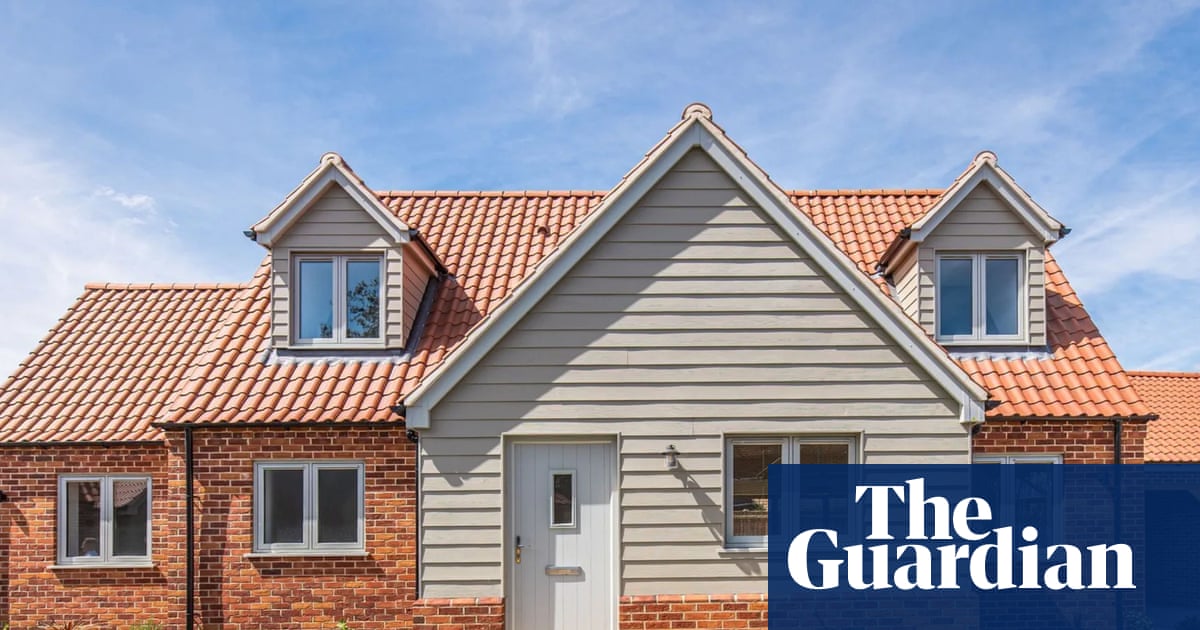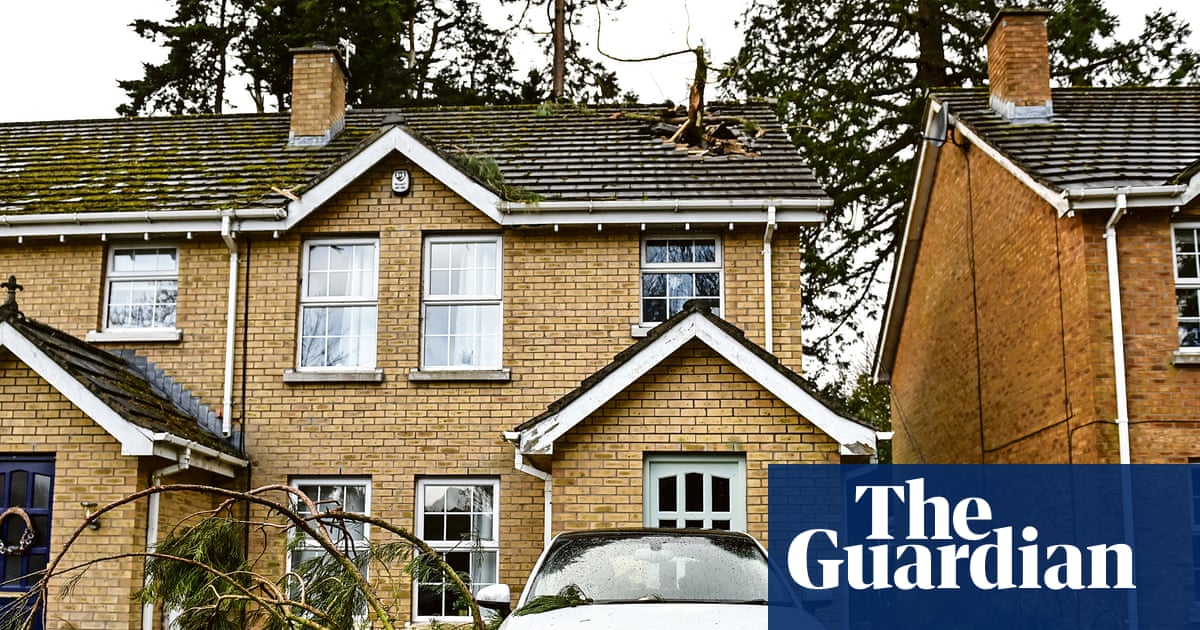
UK storm damage insurance payouts rose by 32% to £244m in 2025, according to figures reported by the Guardian, as storms including Storm Éowyn and Storm Floris battered homes with heavy rain and strong winds. The Met Office has now warned that a supersized El Niño weather pattern could bring another wet and windy winter, raising the prospect of further costly damage to Britain's housing stock just as the sector heads into the colder months.
For property investors and landlords, this is not a trivial seasonal story. Storm damage translates directly into void periods, emergency repair bills, insurance excess costs and, in the worst cases, disputes with tenants over habitability. A property portfolio spread across exposed coastal or northern regions, think Newcastle, Liverpool or parts of Manchester, carries materially different weather risk to a well-sheltered London townhouse or a modern Surrey new-build. Yet even supposedly low-risk urban stock in cities like Birmingham and Leeds includes older Victorian terraces with ageing roofs, guttering and chimney stacks that are precisely the elements most vulnerable to high winds and sustained rainfall.
The 32% jump in payouts matters because it signals that insurers are absorbing rising claims costs, and that cost does not stay with insurers alone. Landlords renewing buildings insurance this year should expect underwriters to reflect higher claims experience in premiums, particularly for properties with a prior claims history or located in postcodes already flagged for storm or flood exposure. For buy-to-let investors operating on tight yield margins, even a modest premium increase can erode already-thin returns, making proactive maintenance not just good practice but a financial necessity.
The practical measures highlighted, checking roof tiles, securing garden fences, clearing guttering and protecting against flooding, are often framed as homeowner housekeeping, but they carry real investment implications. A loose tile or a fence panel that fails in a storm can cause secondary damage to neighbouring boundaries or vehicles, exposing landlords to liability claims beyond their own four walls. Developers working on refurbishment projects should also take note: specifying higher-grade roofing materials and robust fencing at the point of renovation is considerably cheaper than emergency reactive repairs after a storm has already struck, and it can be a selling point to risk-conscious buyers and institutional investors increasingly focused on climate resilience.
Commercial property investors face a parallel calculation. Retail parades, warehouses and mixed-use blocks with flat roofs or large glazed frontages are structurally more exposed to wind damage than compact residential units, and business interruption costs from a damaged roof or flooded unit can dwarf the physical repair bill. As storm frequency and insurance costs both climb, due diligence on building fabric condition should become a more prominent part of commercial acquisition appraisals, not an afterthought left to post-completion surveys.
Looking ahead to the next six to twelve months, PropertyNews expects maintenance and resilience spending to move up the agenda for serious portfolio landlords, particularly as insurers tighten underwriting criteria in response to the claims data reported by the Guardian. First-time buyers purchasing older properties this winter would be well advised to commission thorough surveys that specifically assess roof, guttering and boundary condition, rather than relying solely on standard valuation reports. Letting agents and property managers should also expect a rise in tenant-reported maintenance issues during storm events, and landlords who get ahead of seasonal checks now will avoid the reputational and financial cost of emergency callouts later.
The clearest conclusion is that storm resilience is shifting from a seasonal nuisance to a structural cost factor in UK property ownership. With the Met Office forecasting another turbulent winter and insurance payout data already pointing to a sharp year-on-year increase, landlords, developers and homeowners who treat basic maintenance as discretionary are taking on unpriced risk. Those who invest in preventative upkeep now will be better positioned to protect both their physical assets and their insurance costs as extreme weather becomes a more routine feature of the UK property calendar.
Key Takeaways
- UK storm damage insurance payouts rose 32% to £244m in 2025, driven by storms including Éowyn and Floris, as reported by the Guardian.
- The Met Office has warned a supersized El Niño could bring another wet, windy winter, raising renewed storm risk for property owners.
- Landlords should expect buildings insurance premiums to reflect rising claims costs, particularly for properties in storm-exposed regions.
- Proactive checks on roofs, guttering and fencing ahead of winter can reduce emergency repair costs and liability exposure for landlords and developers alike.