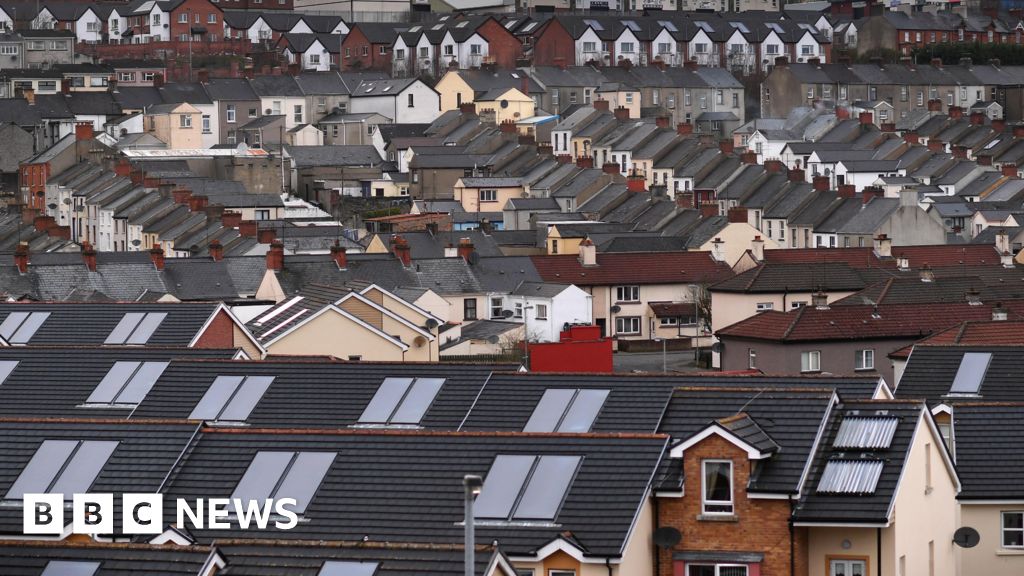
Northern Ireland's social housing waiting list has breached the 50,000 household mark for the first time, representing a staggering 30% increase over the past decade and signalling a fundamental breakdown in housing affordability that extends far beyond Belfast. This milestone reflects pressures building across the UK's smaller regional markets, where rapid house price inflation has collided with stagnant social housing construction to create an acute supply crisis that will reshape investment patterns for years to come.
The surge in housing demand comes as Northern Ireland property prices have climbed 45% since 2014, significantly outpacing wage growth and pushing homeownership beyond reach for increasing numbers of working families. This dynamic mirrors trends across secondary UK cities including Newcastle, Liverpool, and parts of Greater Manchester, where strong rental yields initially attracted buy-to-let investors but have now created affordability pressures that are forcing more households into the social housing queue. For property investors, this represents both a warning signal about market sustainability and an opportunity in purpose-built rental accommodation.
Commercial developers and institutional investors should note that Northern Ireland's crisis stems largely from chronic underinvestment in social housing construction, with annual completions running at just 1,200 units against identified need for 3,500 units per year. This pattern repeats across former industrial regions where local authorities lack the capital capacity to address housing shortfalls through traditional social housing programmes. The gap creates significant opportunities for build-to-rent developers and social housing partnerships, particularly given government commitments to increase affordable housing delivery through private sector involvement.
The waiting list surge carries immediate implications for buy-to-let investors operating in Belfast and surrounding areas, where rental demand will intensify as more households find themselves priced out of both homeownership and social housing allocation. Average rental yields in Northern Ireland currently stand at 7.2%, well above the UK average of 5.8%, but investors must factor in the political pressure for rent controls that typically emerges when housing shortages reach crisis levels. Similar dynamics are already visible in Scotland, where rent control legislation followed sustained affordability pressures.
Regional property markets across the UK face comparable pressures, though Northern Ireland's compact size makes the crisis more visible and politically urgent. Cities including Stoke-on-Trent, Preston, and Hull have seen waiting lists grow by 20-25% over five years, while traditional investment hotspots such as Birmingham and Leeds report increasing numbers of working households seeking social housing assistance. This trend indicates that the post-2010 private rental sector expansion has reached its limits in absorbing housing demand at current price levels, creating both political pressure for intervention and investment opportunities in affordable housing delivery.
Looking ahead twelve months, Northern Ireland's housing crisis will likely accelerate given current construction rates and continued population growth driven by economic recovery and net migration from the Republic of Ireland. The Stormont Executive faces mounting pressure to increase social housing investment, but limited fiscal capacity means greater reliance on private sector delivery mechanisms including shared ownership, discounted market rent, and institutional partnerships. Property investors should expect similar patterns across UK regions where social housing waiting lists exceed 15% of total household numbers.
The broader implications extend beyond Northern Ireland's borders to fundamental questions about UK housing policy and market structure. When a region with relatively affordable housing by national standards cannot house its population adequately, the model of relying on private market delivery supported by social housing safety nets has clearly failed. Institutional investors and developers who adapt quickly to build affordable rental products at scale will capture significant market share, while those maintaining focus solely on prime residential markets risk missing the sector's primary growth opportunity over the coming decade.
Key Takeaways
- Northern Ireland's 50,000-household waiting list signals broader UK affordability breakdown affecting secondary cities nationwide
- Rental yields averaging 7.2% create opportunities but political pressure for rent controls will intensify as shortages worsen
- Chronic underinvestment in social housing creates openings for institutional build-to-rent and affordable housing partnerships
- Working household displacement into social housing queues indicates private rental sector has reached capacity limits at current price levels


