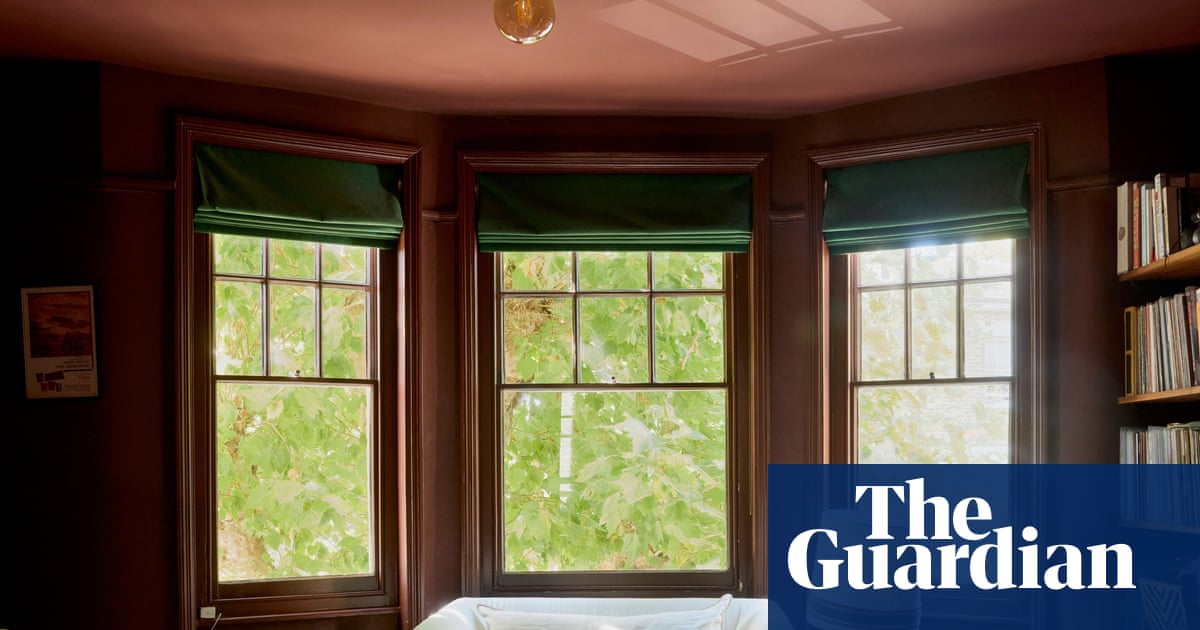
A new gallery published by the Guardian showcases homes with striking interiors currently for sale in England, including a brick stable block that has been renovated into an eco home and a Georgian townhouse decorated in atmospheric shades of grey. On the surface this reads as a lifestyle feature, but for professional investors and developers it offers a useful window into how interior character and sympathetic renovation are increasingly shaping what makes a property stand out in a crowded market.
For UK property investors, the significance lies less in any individual listing and more in what the selection reveals about buyer psychology. Homes that combine heritage bones with distinctive, design-led interiors continue to command attention precisely because they are difficult to replicate at scale. A converted stable block turned eco home demonstrates how non-standard building stock, once considered a liability, can be repositioned as a premium asset when renovated with environmental performance and aesthetic ambition in mind. A Georgian townhouse finished in considered, atmospheric colour schemes shows that period property retains its pulling power when presented with contemporary sensibility rather than left in a dated or neglected state.
This matters for the wider market because it underlines a trend PropertyNews has tracked across several regional markets: the premium placed on individuality is rising relative to the premium once placed on generic modern finish. Developers and landlords operating in cities such as Manchester, Leeds, Liverpool, Newcastle and Birmingham should take note that converted agricultural or industrial buildings, and well-restored period terraces and townhouses in areas like Surrey or London, are not niche curiosities but increasingly central to how discerning buyers judge value. Where new-build developments compete largely on specification and location, renovated period and converted properties compete on story and character, a distinction that can translate into stronger buyer loyalty and, in PropertyNews' assessment, greater resilience to price softening during uncertain periods.
For buy-to-let landlords, the implications are more nuanced than for owner-occupiers chasing a dream home. A striking eco conversion may attract a particular tenant profile willing to pay for design and sustainability credentials, but such properties typically demand higher upfront renovation capital and more specialist maintenance than a standard flat or new-build unit. Landlords considering this route should weigh the appeal of differentiation against the practical realities of managing a non-standard asset, particularly around insurance, energy performance compliance and resale liquidity. First-time buyers, by contrast, are largely priced out of this segment, since heavily renovated period conversions and architecturally distinctive townhouses tend to sit at the upper end of local markets rather than the entry point.
Commercial investors and developers should read this gallery as a signal of ongoing demand for adaptive reuse projects. Stable blocks, barns, chapels and other redundant agricultural or ecclesiastical buildings represent an under-exploited pipeline in many parts of rural and semi-rural England. As planning policy continues to favour reuse of existing structures over greenfield development in various local authority areas, developers with the expertise to execute sensitive, high-quality conversions stand to capture a market segment that commands both a design premium and, increasingly, an environmental one. The eco credentials highlighted in this particular stable block conversion suggest that buyers are no longer treating sustainability and character as competing priorities but are actively seeking both in a single property.
Looking ahead over the next six to twelve months, PropertyNews expects the appetite for distinctive, well-executed renovations to strengthen further, particularly as buyers who delayed purchasing decisions during periods of mortgage rate uncertainty return to the market with clearer budgets and sharper expectations. Properties that merely tick boxes on space and location without offering character or design quality may find themselves competing harder for attention, while genuinely distinctive homes, whether converted outbuildings or carefully restored Georgian townhouses, are likely to continue achieving strong interest relative to their local comparables. For developers and landlords willing to invest in quality renovation rather than minimum-viable refurbishment, this represents a clear opportunity to differentiate in an increasingly discerning market.
The broader lesson for the industry is that interior character has moved from a nice-to-have to a genuine driver of buyer decision-making in parts of the English housing market. Those investing in period stock or redundant buildings with conversion potential should treat design quality and sustainability as inseparable from the business case, not as cosmetic extras. In a market where buyers increasingly have the luxury of choice, homes that tell a compelling story through their interiors are proving their worth well beyond the photographs in a gallery.