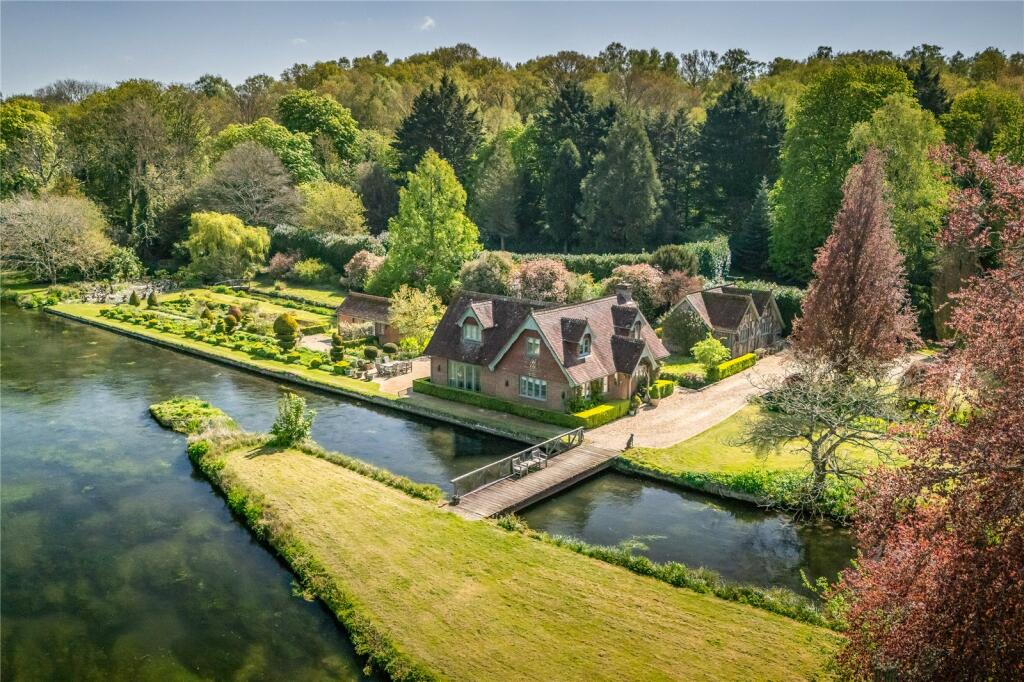
A fresh crop of listings showcasing homes with exceptional gardens has surfaced across the property portals this week, reigniting a conversation that has quietly reshaped valuations since 2020: how much is outdoor space actually worth, and does that premium still hold as the market normalises? The answer, based on transaction data and agent sentiment across the country, is emphatically yes - and the implications stretch well beyond aesthetics into the calculus of every serious property investor.
The pandemic-era dash for space was never a fad confined to lockdown; it recalibrated buyer priorities in a way that has proven remarkably durable. Homes with substantial private gardens continue to command premiums of anywhere between 5% and 15% over comparable properties without them, with the differential widening further in urban centres where private outdoor space is scarce. In London and Surrey, where garden plots in desirable postcodes can be smaller than a parking bay, that premium regularly tips towards the upper end - sometimes exceeding 20% for period properties with mature, landscaped gardens in areas like Richmond, Wimbledon or the Surrey Hills commuter belt. Contrast that with Newcastle or Liverpool, where garden-rich suburban stock remains comparatively abundant, and the premium compresses to single digits, reflecting a straightforward supply-and-demand dynamic rather than any diminished buyer enthusiasm.
For buy-to-let landlords, this trend carries a nuanced message. Family houses with gardens in commuter towns around Manchester and Leeds continue to outperform flats on rental yield resilience and tenant retention - tenants with children or pets typically stay longer, reducing void periods and turnover costs. Data from lettings agents in the North West suggests average tenancy length for garden houses runs several months longer than for comparable flats, a meaningful factor when void periods can erode annual yield by a percentage point or more. Landlords holding garden properties in these regional cities are, in effect, sitting on an asset class with built-in tenant stickiness - a quiet advantage as the private rented sector faces increasing regulatory scrutiny under the incoming Renters' Rights Bill.
First-time buyers face a more complicated picture. The garden premium effectively taxes exactly the buyers least able to absorb it: young families stretching to their maximum mortgage affordability are competing for the same garden-equipped starter homes that landlords and downsizers also covet. In Birmingham's outer suburbs and similar affordable commuter belts feeding into the city, three-bedroom semis with modest gardens have seen some of the sharpest relative price growth in the sub-£300,000 bracket over the past two years, precisely because supply of this archetype has not kept pace with demand. First-time buyers priced out of garden houses are increasingly settling for smaller plots or shared amenity space, a compromise that developers have been quick to commercialise.
That developer response is arguably the most consequential long-term story here. Housebuilders have recognised that garden space sells at a premium that far outstrips its marginal construction cost, and planning applications across Greater Manchester, Leeds and the Home Counties increasingly foreground private and communal green space as a headline selling point rather than an afterthought. Build-to-rent operators, too, have absorbed the lesson: newer BTR schemes in city centres are allocating more square footage to podium gardens, roof terraces and communal green amenity than the previous generation of towers, a direct response to tenant feedback and retention data showing renters place tangible value on access to outdoor space even where private gardens are impossible. This is reshaping design briefs and, by extension, land values for sites capable of accommodating meaningful green space - a factor increasingly priced into land bids in secondary UK cities.
Looking ahead six to twelve months, expect the garden premium to persist rather than fade, even as the broader housing market cools under sustained higher mortgage rates. Scarcity value in outdoor space does not evaporate with a base rate cut, and agents report that garden-equipped stock in the £400,000-£700,000 bracket continues to transact faster than flats and no-garden houses at the same price point, even as overall market velocity has slowed. Investors positioning portfolios for 2025 should treat garden provision as a genuine yield-protective feature rather than a cosmetic bonus, particularly in regional cities where family rental demand is structurally under-supplied. Commercial investors eyeing residential-for-rent development sites should likewise weight green amenity provision heavily in underwriting, since the data increasingly shows it drives both rental premiums and reduced tenant churn - a combination that materially improves net operating income over a hold period.
Key Takeaways
- Homes with substantial gardens command price premiums of 5-15% nationally, rising above 20% in supply-constrained areas like Surrey and parts of London.
- Buy-to-let landlords benefit from longer average tenancies on garden properties, reducing void periods and protecting net yield.
- First-time buyers face intensified competition for garden-equipped starter homes in cities like Birmingham, pushing some towards smaller plots or shared amenity developments.
- Developers and build-to-rent operators are increasingly prioritising private and communal green space in design and land acquisition decisions across Manchester, Leeds and the South East.
- The garden premium is expected to hold through 2025 regardless of interest rate movements, making outdoor space a genuine yield-protective feature for portfolio investors.


