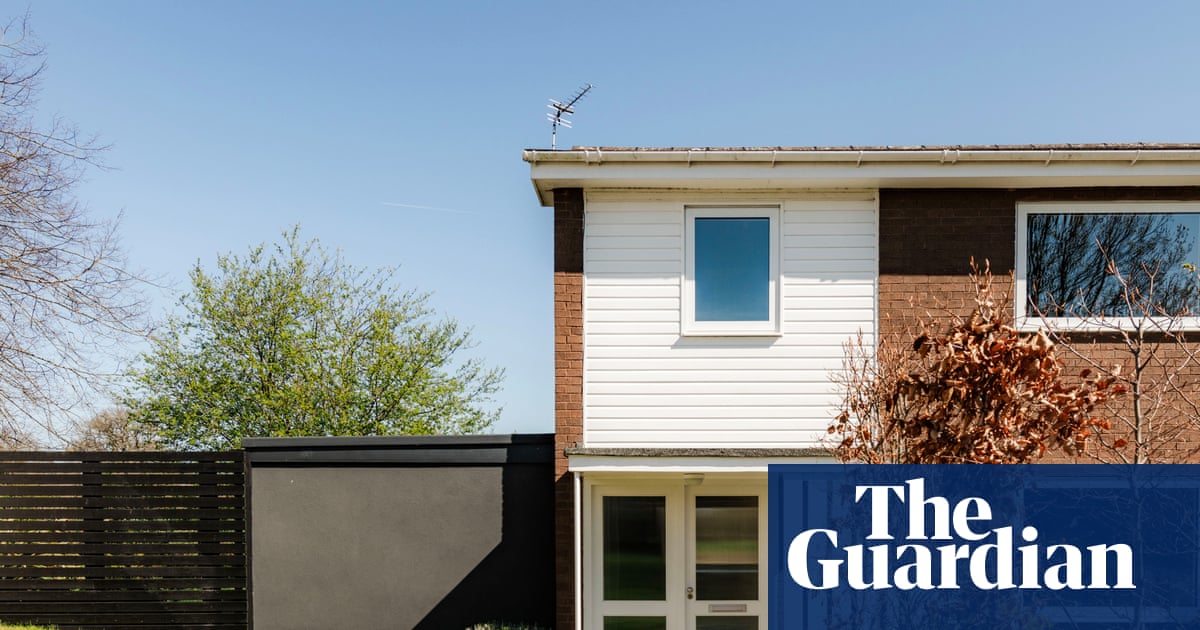
A fresh selection of homes for sale within walking distance of English train stations, ranging from a period cottage in Oxford to a leafy enclave in inner London, has put renewed focus on one of the property market's most reliable value drivers: proximity to rail infrastructure. While the feature itself is a lifestyle showcase, it touches on a theme that professional investors and developers cannot afford to ignore. Transport connectivity consistently ranks among the top three factors buyers cite when searching for a home, and the data shows it commands a measurable premium that has proven remarkably resilient through interest rate cycles, pandemic-era shifts in working patterns, and now the current period of subdued transaction volumes.
The premium attached to station proximity is not anecdotal. Historic analysis from Nationwide and various estate agency indices has repeatedly found that homes within a ten-minute walk of a railway station can command between 5% and 10% more than comparable properties further away, with the effect strongest in commuter belts feeding into London and other major employment centres. In Surrey, for example, towns such as Guildford, Woking and Esher have long traded on their rail links into Waterloo, with average premiums for stations offering sub-40-minute journey times often exceeding 8%. That premium has not evaporated with the rise of hybrid working; if anything, it has been reshaped, with buyers now prioritising flexibility, wanting fast access to a station for two or three office days a week rather than a daily commute.
Regional cities tell a more nuanced story. In Manchester, the ongoing expansion of the Bee Network and continued investment around Piccadilly and Victoria stations has helped sustain price growth in surrounding postcodes even as the broader northern market has cooled from its 2021-2022 peak. Birmingham's property market has been buoyed by anticipation around HS2's Curzon Street terminus, despite the truncation of the wider scheme, with agents reporting sustained investor interest in Digbeth and Eastside specifically because of future connectivity. Leeds and Liverpool present a slightly different picture: both cities have strong rail hubs, but the premium is more modest, reflecting softer overall demand and a larger stock of transport-adjacent housing that dilutes scarcity value. Newcastle, meanwhile, benefits from the Tyne and Wear Metro network, which has quietly supported values in suburbs like Jesmond and Gosforth that might otherwise be considered peripheral.
For buy-to-let landlords, the implications are straightforward but increasingly important given tightening yields and higher borrowing costs. Tenants, particularly younger professionals and those without cars, place a premium on walkable access to stations, and void periods tend to be shorter for well-connected properties. Landlords purchasing in 2025 and 2026 should treat proximity to reliable, frequent rail services as a defensive characteristic akin to good schools or low crime rates, one that protects capital value even if rental growth in a given city softens. First-time buyers face a tougher calculus: station-adjacent homes cost more upfront, but the long-term savings on transport costs and the liquidity advantage when reselling can offset that premium, particularly in commuter towns where resale demand remains structurally strong.
Commercial investors and developers should read this trend as a signal to prioritise sites within genuine walking distance, generally accepted as under 800 metres, of existing or planned stations. Build-to-rent schemes clustered around transport hubs in Manchester, Birmingham and London have consistently outperformed peripheral developments on occupancy and rental growth, and planning authorities are increasingly favouring higher-density consents near stations under density and sustainability policies. Developers eyeing sites near confirmed but not yet delivered infrastructure, such as stations along the Elizabeth line's further extensions or Northern Powerhouse Rail proposals, should factor in the likelihood of value uplift ahead of completion, a pattern well documented around the original Crossrail route where prices rose in anticipation years before services began.
Looking ahead to the next six to twelve months, expect the station premium to become more pronounced rather than less, as affordability pressures push buyers to prioritise practical connectivity over sheer square footage. With mortgage rates likely to remain above the ultra-low levels of the previous decade, buyers will continue trading space for location efficiency, reinforcing demand for compact, well-connected homes over larger properties in transport deserts. Investors who treat rail proximity as a core underwriting criterion, rather than a pleasant extra, will be better positioned to protect both capital values and rental income through what remains an uneven and regionally fragmented market.


