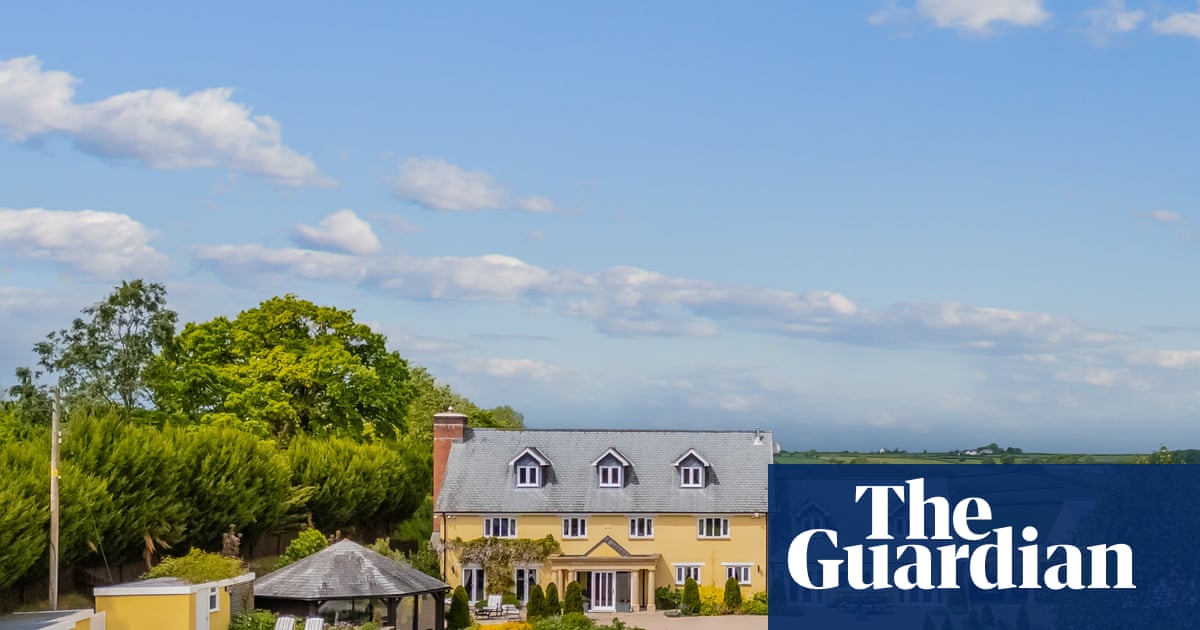
A new gallery from The Guardian showcases five homes across England designed to appeal to sport lovers, ranging from a recreation-rich property in Devon to a former coach house near Windermere. While framed as a lifestyle feature rather than a market report, the selection points to a persistent and often overlooked segment of the housing market: homes built or adapted around leisure and sporting amenities, from private courts and pools to proximity to outdoor pursuits such as sailing and fell walking.
For UK property investors, this matters because lifestyle-led demand increasingly shapes value and liquidity in certain regional markets. Properties with genuine recreational infrastructure, whether a tennis court, a boathouse, or direct access to walking and cycling routes, tend to attract a specific buyer profile willing to pay a premium for amenity rather than pure square footage. This is distinct from the mainstream housing market, where price is typically driven by location, school catchments and transport links. As PropertyNews analysis, we note that sport and leisure-oriented homes often sit in the second-home and relocation markets, areas such as the Lake District around Windermere and the South West around Devon, both named in the Guardian's selection, have long attracted buyers seeking a change of pace alongside a change of postcode.
The inclusion of a former coach house near Windermere is particularly notable. Converted period buildings with sporting or recreational features represent a hybrid product: heritage character combined with lifestyle utility. This dual appeal can insulate such properties from some of the volatility seen in standard residential stock, since buyers are often purchasing a lifestyle as much as bricks and mortar. Developers and conversion specialists operating in the Lake District, the South West, and similar leisure-rich regions should take note of this enduring demand strand, particularly as hybrid working continues to allow buyers to prioritise quality of life over proximity to major employment centres such as London, Manchester or Birmingham.
Devon's inclusion in the gallery reinforces the South West's long-standing position as a magnet for buyers seeking recreation-rich living, whether coastal sports, countryside pursuits or simply space for private amenities. This regional pull has implications beyond the prime market. As demand for lifestyle-oriented homes persists, surrounding towns and villages can see knock-on effects in terms of local services, short-let accommodation, and ancillary leisure businesses, all of which matter to commercial investors assessing opportunities beyond core residential assets.
Looking ahead over the next six to twelve months, PropertyNews analysis suggests that niche lifestyle segments such as sport-oriented homes will remain a small but resilient corner of the market, less exposed to the affordability pressures weighing on first-time buyers and mainstream mortgage borrowers. Buy-to-let landlords are unlikely to find much relevance here, since these properties are overwhelmingly owner-occupier or second-home purchases rather than rental stock. First-time buyers, meanwhile, are largely priced out of this segment by definition, given the premium attached to bespoke recreational features and desirable rural or semi-rural locations. Developers, however, may find value in replicating smaller-scale versions of these amenities, home gyms, garden courts, or proximity marketing to outdoor pursuits, in new-build schemes aimed at affluent downsizers and lifestyle movers in regions such as Surrey, where demand for space and amenity consistently outstrips supply.
Ultimately, this gallery is less a market-moving event than a useful barometer of where discretionary buyer demand continues to concentrate. The enduring appeal of sport and leisure-rich homes in areas like Devon and the Lake District confirms that lifestyle factors remain a powerful, if niche, driver of property value in England, even as the broader market wrestles with affordability and mortgage cost pressures. Investors with exposure to prime rural and leisure markets should view such properties not as a passing curiosity but as a stable, if specialised, segment worth monitoring.


