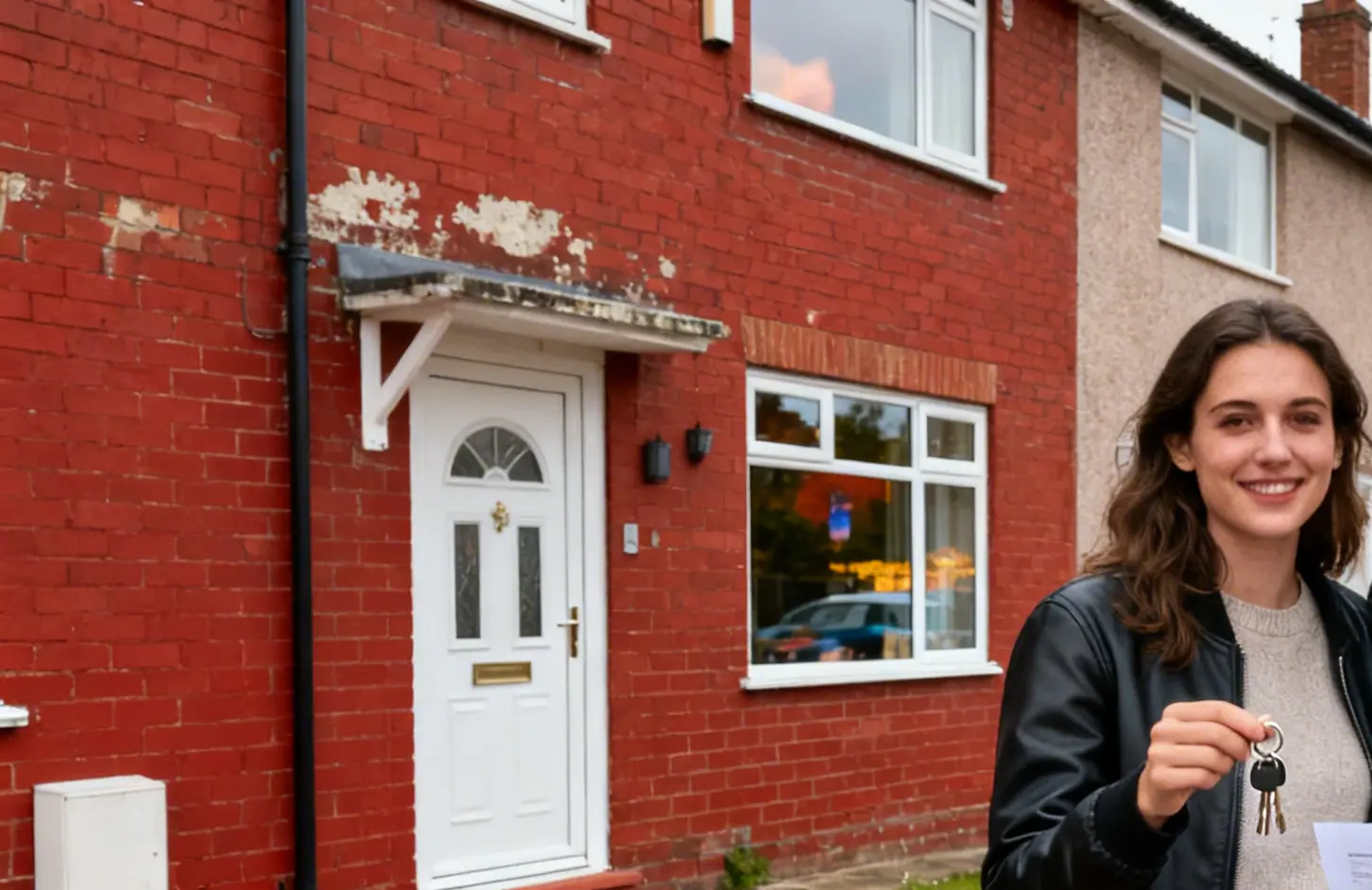
The widespread improvement in first-time buyer affordability across seven in ten UK local authority areas represents a fundamental shift in market dynamics that property professionals should closely monitor. Nationwide's analysis reveals that approximately 70% of council districts have recorded improved affordability metrics over the past twelve months, marking the most significant easing in entry-level property access since the post-financial crisis recovery period. This development signals that the aggressive house price growth of recent years is finally moderating sufficiently to restore some balance between wages and property values.
The implications for buy-to-let investors are particularly compelling. Historical analysis demonstrates that periods of improved first-time buyer affordability typically precede increased transaction volumes by 6-12 months, as younger demographics re-enter the market. This demographic shift will likely drive demand in traditional starter home areas, particularly in cities like Manchester, Birmingham, and Leeds where affordability improvements have been most pronounced. Investors positioned in these markets should expect stronger rental demand from young professionals who are saving for deposits, alongside potential capital growth as increased buyer activity supports price stability.
Regional disparities remain stark, however, with London and the South East continuing to present significant affordability challenges despite some improvement. The capital's housing market operates on fundamentally different dynamics, where international investment flows and limited land supply maintain price premiums that local wage growth cannot match. By contrast, Northern cities including Liverpool and Newcastle are experiencing a more pronounced affordability recovery, with house price-to-income ratios falling closer to historical norms. This divergence suggests a continued shift in investment opportunity towards regional markets where rental yields remain attractive and capital growth potential is increasingly supported by improved local affordability.
For residential developers, this affordability improvement creates both opportunities and challenges. The prospect of increased first-time buyer demand should support sales rates for appropriately priced starter homes, particularly in the £150,000-£250,000 price bracket across regional markets. However, developers must carefully calibrate their pricing strategies as improved affordability reflects underlying price moderation rather than dramatic income growth. Development sites in commuter towns around major Northern cities present particularly attractive prospects, as these locations combine improved affordability with strong transport links that appeal to young professionals.
The mortgage market context is crucial to understanding the sustainability of this affordability improvement. While house price moderation has driven much of the affordability gain, mortgage rates remain elevated compared to the ultra-low levels of recent years. This creates a complex calculation for first-time buyers who benefit from lower purchase prices but face higher borrowing costs. The net effect varies significantly by deposit size and local market conditions, but the overall trend suggests that the mortgage market is adapting to support increased lending activity as affordability constraints ease.
Looking ahead, this affordability improvement should drive increased market activity through 2024 and into 2025. Transaction volumes in first-time buyer dominated segments will likely recover substantially, particularly in markets where affordability gains have been most significant. Property investors should position themselves ahead of this demand recovery, focusing on areas where rental yields remain strong and where improved affordability will translate into increased buyer competition. The data suggests that markets outside London and the South East offer the most compelling combination of current yield and future growth potential.
The broader economic implications extend beyond individual transactions to fundamental market structure. Improved first-time buyer affordability typically signals a healthy correction from unsustainable price growth, creating conditions for more balanced long-term market development. This environment favours investors with strong market knowledge and strategic positioning over those relying purely on speculative price appreciation. The next twelve months will likely confirm whether this affordability improvement translates into sustained market recovery or represents a temporary adjustment in an ongoing correction cycle.
Key Takeaways
- Regional markets outside London offer the strongest combination of improved affordability and investment opportunity
- First-time buyer demand recovery will likely drive increased transaction volumes within 6-12 months
- Buy-to-let investors should expect stronger rental demand from young professionals preparing to purchase
- Northern cities present compelling development opportunities in the £150,000-£250,000 starter home segment


