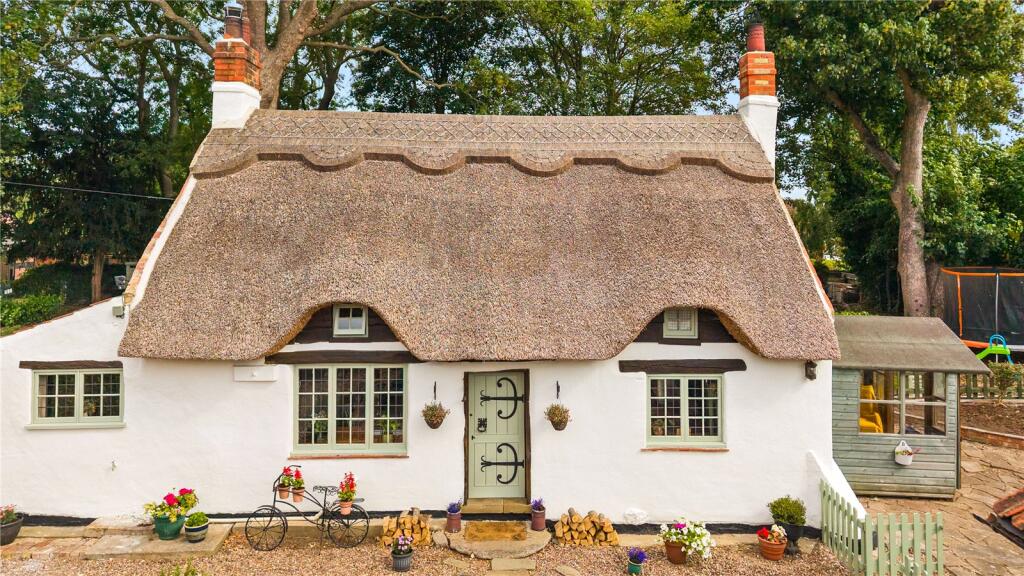
A fresh round-up highlighting hygge cottages available for less than the average UK house price has reignited interest in one of the property market's most enduring niches: the cosy, characterful countryside home. The feature, built around the Danish-inspired concept of hygge, that warm sense of contentment associated with log fires, thick blankets and simple rural living, showcases properties that sit below the national average price point while offering a lifestyle proposition that many urban buyers increasingly crave.
For UK property investors and buyers alike, this matters far beyond the aesthetic appeal of exposed beams and inglenook fireplaces. The hygge trend has, over the past decade, evolved from a lifestyle fad into a genuine driver of property demand, particularly among buyers seeking an escape from the pressures of city living. When a round-up like this frames cottages as attainable relative to the broader market, it taps directly into a persistent anxiety among first-time buyers and downsizers: that affordability has become increasingly elusive across much of England and Wales. Properties that undercut the average price while promising a distinctive lifestyle therefore attract disproportionate attention, both from genuine buyers and from investors eyeing holiday-let or staycation potential.
PropertyNews analysis suggests this kind of listicle-driven coverage reflects a broader shift in how property is marketed and consumed. Buyers are no longer simply searching for square footage or proximity to transport links; they are searching for identity and feeling. The hygge cottage, with its connotations of slow living and rural charm, offers an antidote to the relentless pace and cost pressures of cities such as London, Manchester and Birmingham. This is not a new phenomenon, but its persistence through multiple economic cycles, including the recent period of elevated mortgage rates, suggests that lifestyle-driven demand for rural and semi-rural cottages remains structurally resilient rather than a passing trend.
The implications differ markedly depending on the type of market participant. For first-time buyers priced out of city centres, cottages positioned below the average house price represent a genuine entry point into ownership, albeit often requiring compromises on location, commuting distance or renovation needs. For buy-to-let landlords and holiday-let operators, such properties carry strong appeal given the enduring popularity of short breaks framed around cosiness and escape, a trend that has shown no sign of fatigue even as consumer spending elsewhere has tightened. Developers and commercial investors, meanwhile, may read this coverage as a signal to pay closer attention to character conversions and period cottage stock in regional markets such as Newcastle's rural hinterlands, the Surrey countryside, or areas surrounding Leeds and Liverpool, where demand for characterful, lower-priced housing stock often outpaces supply.
Looking ahead over the next six to twelve months, PropertyNews expects lifestyle-led property marketing of this kind to intensify as agents and portals compete for attention in a crowded digital content landscape. Buyers increasingly discover properties through thematic, emotionally resonant round-ups rather than conventional listings, and this shift in discovery behaviour is likely to influence how estate agents photograph, describe and position rural stock. Cottages that successfully convey warmth, simplicity and value relative to the national average price are likely to see faster buyer interest, regardless of their precise location, provided the underlying fundamentals of condition and accessibility are sound.
The broader lesson for the UK property market is that affordability and lifestyle appeal are becoming inseparable in buyer decision-making. As pressure on household budgets persists, properties that can credibly claim to undercut the average house price while offering a distinctive sense of place will continue to command outsized attention relative to their size or specification. For investors and developers, the message is clear: character and cost-effectiveness, packaged together, remain one of the most durable selling propositions in the current market, and those who recognise this early will be best placed to capture buyer demand as it continues to migrate away from purely urban priorities.
Key Takeaways
- Lifestyle-driven property marketing, such as hygge-themed cottage round-ups, is increasingly shaping buyer discovery and demand.
- First-time buyers may find rural and semi-rural cottages priced below the national average an accessible entry point into ownership.
- Buy-to-let and holiday-let investors should monitor continued demand for cosy, character-led rural stock as a resilient niche.
- Developers and agents should consider emphasising character and value positioning in regional markets to capture lifestyle-driven buyer interest.