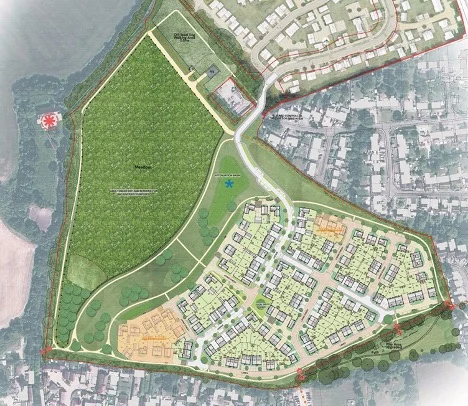
Bellway's commencement of construction at Trinity Green in Takeley represents more than just another residential development in Essex - it signals a broader strategic pivot by major housebuilders towards sustainable construction methods in high-value commuter locations. The 155-home scheme, situated on land west of Garnetts and approved by Uttlesford District Council, employs timber-frame construction and full electric heating systems, positioning the developer ahead of forthcoming regulatory changes whilst targeting the lucrative London commuter market.
The timing of this development proves particularly astute, capitalising on sustained demand for properties within reasonable commuting distance of London whilst construction costs remain elevated across traditional building methods. Takeley's proximity to Stansted Airport and excellent transport links to the capital via the M11 corridor make it an attractive proposition for both owner-occupiers and buy-to-let investors seeking rental yields from professional tenants. Current property values in the Uttlesford district average approximately £485,000, representing a 12% premium over the broader Essex market, driven primarily by transport connectivity and local amenities.
The adoption of timber-frame construction methods reflects Bellway's anticipation of tightening building regulations and the government's commitment to achieving net-zero carbon emissions by 2050. This construction approach typically reduces build times by 20-25% compared to traditional methods whilst delivering superior energy efficiency ratings - a crucial factor as prospective buyers increasingly prioritise running costs amid elevated energy prices. For investors, properties with enhanced energy performance certificates command rental premiums of 6-8% in comparable markets across Surrey and Hertfordshire.
Trinity Green's positioning within the broader Thames Gateway growth corridor places it strategically within one of England's most significant development zones. The surrounding Uttlesford district has experienced consistent population growth of 1.8% annually over the past five years, driven by London's continued economic expansion and remote working flexibility. This demographic pressure, combined with restrictive Green Belt policies limiting alternative development sites, creates a supply-constrained environment that supports sustained capital appreciation.
The development's environmental credentials align with evolving buyer preferences and regulatory requirements that will reshape the residential market over the coming decade. Properties featuring electric heating systems and timber-frame construction typically achieve EPC ratings of B or above, positioning them favourably against the government's proposed minimum energy efficiency standards for rental properties. This regulatory advantage becomes particularly valuable for buy-to-let investors, as sub-standard properties face potential rental restrictions from 2025.
For professional property investors, Trinity Green represents a compelling opportunity within a market segment experiencing structural tailwinds. The combination of sustainable construction, strategic location, and demographic growth creates multiple value drivers that extend beyond traditional house price appreciation. Rental demand from Stansted Airport employees, London commuters, and local professionals provides a diversified tenant base, whilst the development's environmental features future-proof investments against evolving regulations and buyer expectations.
Bellway's commitment to sustainable construction at Trinity Green establishes a template that other major housebuilders will likely adopt across similar commuter belt locations. The development demonstrates how environmental responsibility and commercial viability can align within the residential sector, particularly in supply-constrained markets with strong transport links to major employment centres. This approach positions both the developer and early investors advantageously within a market increasingly driven by sustainability considerations and regulatory compliance.
Key Takeaways
- Timber-frame construction reduces build times by 20-25% whilst delivering superior energy efficiency for enhanced rental premiums
- Takeley's strategic location within the M11 corridor provides access to London commuters and Stansted Airport employment base
- Properties achieving EPC ratings of B or above avoid potential rental restrictions from 2025 regulatory changes
- Supply constraints within Uttlesford district support sustained capital appreciation in high-demand commuter locations


