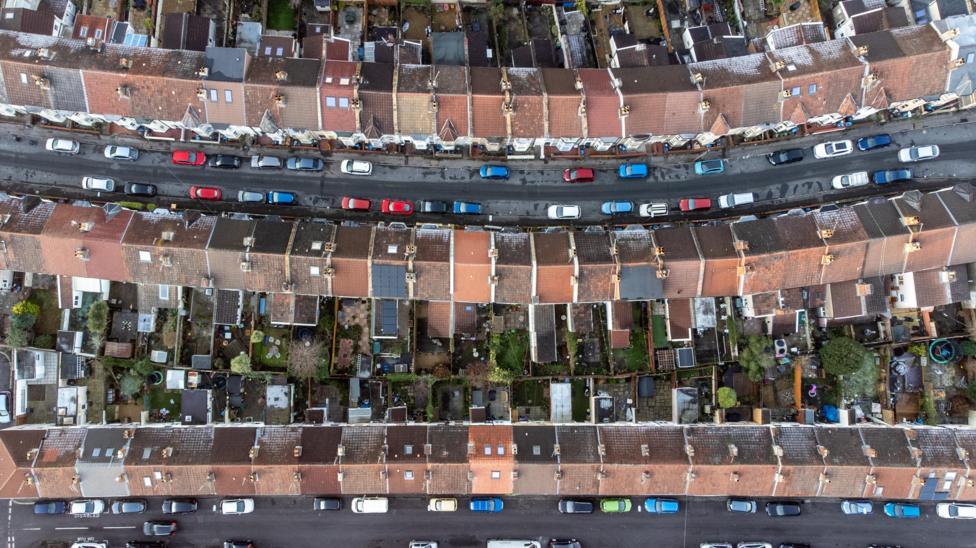
Bristol has emerged as the ninth most expensive city in the world to build in, according to new international construction cost benchmarking data—a startling position for a regional UK city that sits outside the traditional pantheon of global expense (Manhattan, Zurich, Hong Kong) typically associated with such rankings. For a city with a population under 500,000 and a housing stock far smaller than London's, this is not a statistical curiosity. It is a structural signal that should concern every developer, landlord and first-time buyer with exposure to the South West.
The reasons behind Bristol's elevated position are not mysterious to anyone who has tried to secure a contractor in the city over the past two years. A combination of constrained land supply within the city's tightly drawn boundary, stringent planning conditions tied to heritage conservation areas, and a construction labour market squeezed by competition from infrastructure projects—not least the ongoing works around the Bristol Temple Meads redevelopment and the wider West of England Combined Authority's transport schemes—has pushed build costs to levels more commonly associated with prime central London. Industry estimates suggest new-build costs in Bristol now average somewhere between £2,800 and £3,400 per square metre for standard residential schemes, a figure that narrows the gap with London to within striking distance and leaves cities such as Birmingham, Leeds and Manchester looking considerably more competitive by comparison.
This matters enormously for the economics of new housing delivery. Bristol has one of the most acute housing shortfalls of any UK core city relative to its population, with local authority targets calling for in excess of 2,000 net additional homes annually against a backdrop of persistent undershoot. When construction costs rise faster than achievable sale prices or rents, the arithmetic of viability assessments breaks down, and marginal sites—particularly those requiring remediation, structural intervention, or affordable housing contributions—simply stop being built. Developers active across multiple regional markets are increasingly reallocating capital towards Birmingham and Manchester, where land values remain lower and build costs sit 15–20% below Bristol's, generating materially superior returns on comparable schemes.
For buy-to-let landlords, the implications cut two ways. In the short term, constrained new supply in Bristol reinforces the rental growth story that has already seen average rents in the city climb by roughly 8–9% annually over the past two years, comfortably outpacing wage growth and squeezing affordability for tenants. Existing landlords holding stock in BS postcodes are therefore positioned to benefit from continued rental inflation as competition for a static or shrinking pool of quality rental homes intensifies. However, prospective investors considering new-build acquisitions in Bristol face a harder calculation: with build costs elevated and land values sticky, off-plan pricing is unlikely to offer the discount to completed value that has historically made pre-construction purchases attractive, particularly in comparison with Liverpool or Newcastle, where yields remain higher and entry costs considerably lower.
First-time buyers, meanwhile, are caught in an unenviable squeeze. Bristol's average house price of roughly £360,000 already places significant strain on affordability relative to local incomes, and a construction cost base that discourages volume housebuilding will do nothing to ease that pressure over the coming decade. Unless the city's planning authorities find ways to unlock brownfield capacity—the Temple Quarter regeneration zone being the most obvious candidate—first-time buyer numbers in Bristol are likely to stagnate relative to comparable cities such as Leeds, where a more permissive planning environment and lower build costs have supported stronger delivery of entry-level stock.
Commercial investors should read Bristol's cost position as a proxy for broader risk in the South West's development pipeline. Office and logistics schemes across the region face the same input cost pressures as residential, and with interest rates still elevated relative to the ultra-low environment of the 2010s, the combination of expensive debt and expensive construction is squeezing viability across asset classes. Expect institutional capital to remain selective, concentrating on prime, well-let assets rather than speculative development, while opportunistic investors increasingly look towards Birmingham's HS2-adjacent commercial corridor or Manchester's continuing office and life sciences expansion, both of which offer more favourable cost-to-value dynamics.
Over the next six to twelve months, expect Bristol's construction cost premium to act as a genuine drag on housing delivery figures, with the city likely to underperform its own targets while rental growth continues to outstrip the national average. Investors with existing Bristol assets should hold and let rental inflation do the work; those seeking new development exposure would do well to look further north, where the fundamentals of cost, land and planning remain considerably more forgiving.
Key Takeaways
- Bristol's construction costs (£2,800–£3,400/sqm) now rival prime London, driven by constrained land, heritage restrictions and labour competition from major infrastructure projects.
- Existing landlords benefit from tightening supply, with Bristol rents rising 8–9% annually, but new-build investment offers weaker margins than Birmingham or Manchester.
- Developers are reallocating capital towards cities with 15–20% lower build costs, meaning Bristol's housing delivery is likely to keep undershooting local targets.
- First-time buyers face a worsening affordability squeeze unless brownfield sites like Temple Quarter are unlocked to boost entry-level supply.



