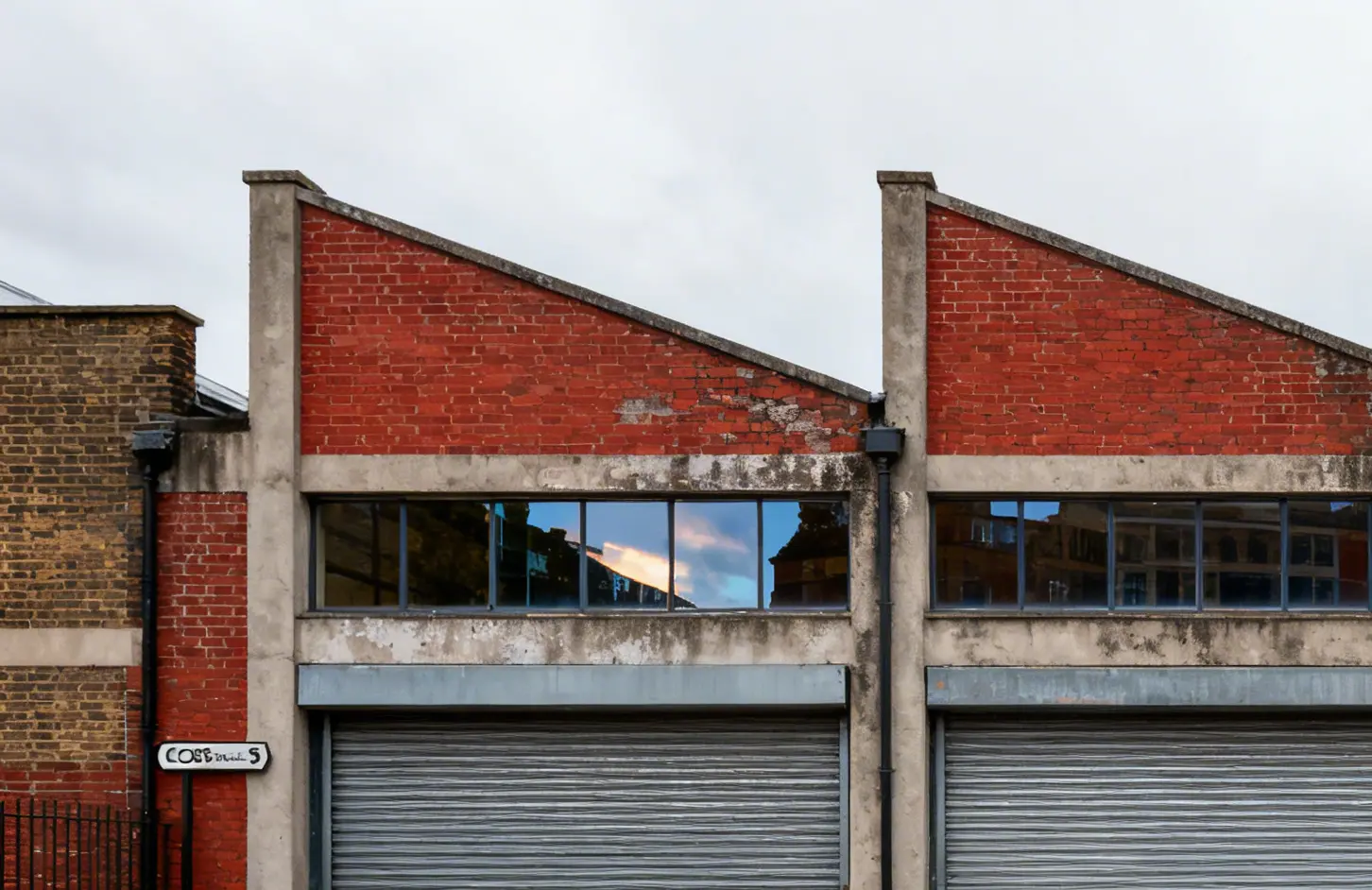
Inspired Lending's £1.38 million bridging facility for three vacant industrial units in Brixton represents more than a straightforward commercial transaction - it signals the accelerating transformation of south London's industrial corridors into prime investment territory. The 12-month facility, structured at a conservative 55% loan-to-value ratio, underscores both lender confidence in the area's fundamentals and the premium investors are willing to pay for repositioning opportunities in London's rapidly gentrifying southern reaches.
The Brixton deal exemplifies a broader trend across London's formerly industrial zones, where developers and investors are securing bridging finance to acquire and reposition commercial assets ahead of anticipated planning changes and transport improvements. The interconnected nature of these three units suggests a larger conversion or redevelopment strategy, likely targeting the mixed-use residential and commercial developments that have become synonymous with south London's regeneration. Similar patterns are emerging in comparable areas such as Peckham, New Cross, and Woolwich, where industrial vacancy rates have fallen 23% over the past 18 months as investors snap up conversion opportunities.
The conservative 55% LTV structure reflects both the current uncertainty in commercial property markets and the inherent risks of vacant industrial stock, yet also demonstrates sophisticated risk assessment by specialist lenders who understand the underlying value proposition. This pricing contrasts sharply with residential bridging facilities in prime London areas, which typically command 65-70% LTV ratios, suggesting lenders view industrial repositioning as carrying additional development and planning risks despite the location's strong fundamentals. The 12-month term provides sufficient runway for planning applications, initial refurbishment works, or tenant pre-letting strategies.
For commercial property investors, the Brixton transaction highlights the growing accessibility of specialist finance for industrial repositioning projects, even in a tightened lending environment. The success of this facility will likely encourage similar transactions across London's opportunity zones, particularly in areas benefiting from Crossrail 2 proposals and ongoing transport improvements. Birmingham's Jewellery Quarter, Manchester's Ancoats district, and Leeds' South Bank are witnessing comparable investor activity, though none yet match the velocity of capital deployment seen in London's southern industrial corridors.
The broader implications for London's commercial property landscape are substantial, as this type of bridging finance activity typically precedes significant capital appreciation and rental growth cycles. Analysis of similar transactions in King's Cross and Shoreditch over the past decade shows that early-stage bridging finance for vacant industrial units often correlates with 40-60% capital gains within three to five years, assuming successful planning outcomes and market conditions remain favourable. The interconnected nature of the Brixton units suggests potential for comprehensive redevelopment that could deliver both commercial and residential elements.
Looking ahead to the next 12 months, expect increased bridging finance activity across London's industrial zones as investors seek to position ahead of potential policy changes affecting commercial-to-residential conversions and permitted development rights. The Bank of England's recent signals regarding interest rate stability should support continued appetite for shorter-term commercial facilities, while ongoing housing shortages maintain pressure for innovative mixed-use solutions. The success of the Brixton transaction will likely establish pricing benchmarks for similar deals across London's regeneration areas.
The Inspired Lending facility demonstrates that specialist commercial bridging remains viable even as mainstream commercial lending contracts, providing crucial liquidity for investors willing to take positioning risk in transforming neighbourhoods. This transaction pattern, replicated across London's industrial corridors, will accelerate the capital's ongoing transformation from traditional manufacturing zones into high-value mixed-use districts, fundamentally reshaping both commercial property values and residential supply in previously overlooked areas of the capital.
Key Takeaways
- Conservative 55% LTV bridging structures remain available for industrial repositioning projects in prime London regeneration zones
- Interconnected commercial units in areas like Brixton offer significant redevelopment potential for mixed-use residential conversion strategies
- Specialist lenders are actively supporting early-stage commercial acquisition ahead of anticipated planning reforms and transport improvements
- Similar industrial repositioning opportunities exist across Manchester, Birmingham, and Leeds for investors seeking comparable risk-adjusted returns